



What Did ISRO Just Test?
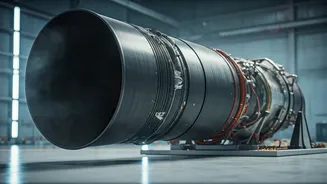
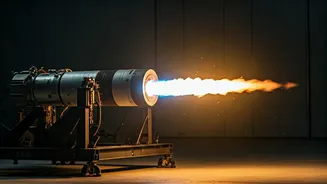
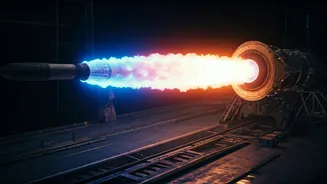
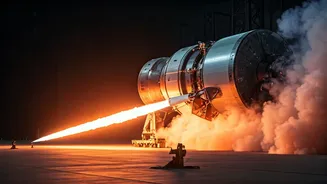
The Indian Space Research Organisation (ISRO) successfully conducted the first ground-based static test of a new solid rocket motor on July 3, 2026. The test took place at the Satish Dhawan Space Centre in Sriharikota, with the motor performing exactly
as engineers had planned. This is not just any motor; it is the heart of a new vehicle called the Sub-Orbital Launch Vehicle for Experiments (SOLVE). This vehicle is being specifically developed as a dedicated test platform to ensure the safety and reliability of one of the most critical parts of the upcoming Gaganyaan mission: the crew's safe return to Earth.
Meet SOLVE: A Rocket for Safety Checks
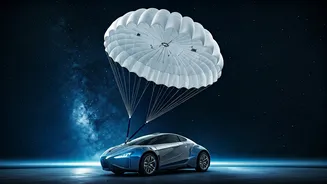
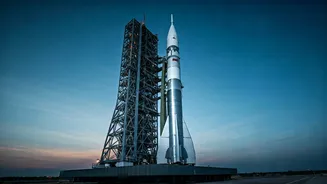
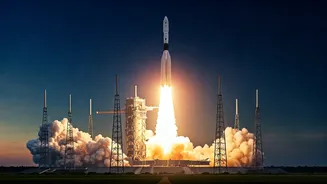
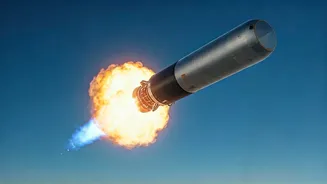
Unlike the massive LVM3 rocket that will eventually carry astronauts into orbit, SOLVE is a smaller, sub-orbital vehicle. Its job is not to reach orbit but to fly to an altitude of between 10 and 17 kilometres and then release the Gaganyaan crew module. This will allow ISRO to repeatedly test the module's parachute system under various real-world conditions. During the descent, a complex sequence of 10 different parachutes will deploy to slow the module from high speed to a gentle splashdown in the sea. The development of SOLVE gives ISRO a flexible and cost-effective way to conduct these vital integrated parachute tests, which are essential for astronaut safety.
A Modified Powerhouse
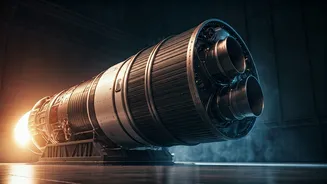
The solid motor for the new SOLVE vehicle is a clever adaptation of existing, proven technology. It is derived from the strap-on solid boosters used on India's workhorse rocket, the Polar Satellite Launch Vehicle (PSLV). However, it has been significantly modified to meet the unique requirements of testing the Gaganyaan systems. These changes include using a slower-burning propellant to achieve the desired flight profile and adding a new thrust vector control system to steer the vehicle during its short flight. By building on the reliable foundation of the PSLV motors, ISRO can accelerate the development and qualification process for this new test vehicle.
The Big Picture: Paving the Way for Gaganyaan
This successful motor test is another significant achievement in the comprehensive roadmap for the Gaganyaan mission. The ultimate goal of Gaganyaan is to send a crew of two to three Indian astronauts into a 400-kilometer low-Earth orbit for a three-day mission and bring them back safely. Before that can happen, every single component must be tested to perfection. Validating the parachute deceleration system is arguably one of the most critical safety elements, as it ensures the crew's survival during their return. This latest test directly contributes to proving that system's reliability. It moves India one step closer to becoming only the fourth nation in the world to independently send its own citizens into space.