






The Core of the Problem
The investigation, conducted by the National Highway Traffic Safety Administration (NHTSA), was not a minor issue. It focused on alarming reports from owners of 2023 model year vehicles who experienced a sudden loss of power steering or found the wheel
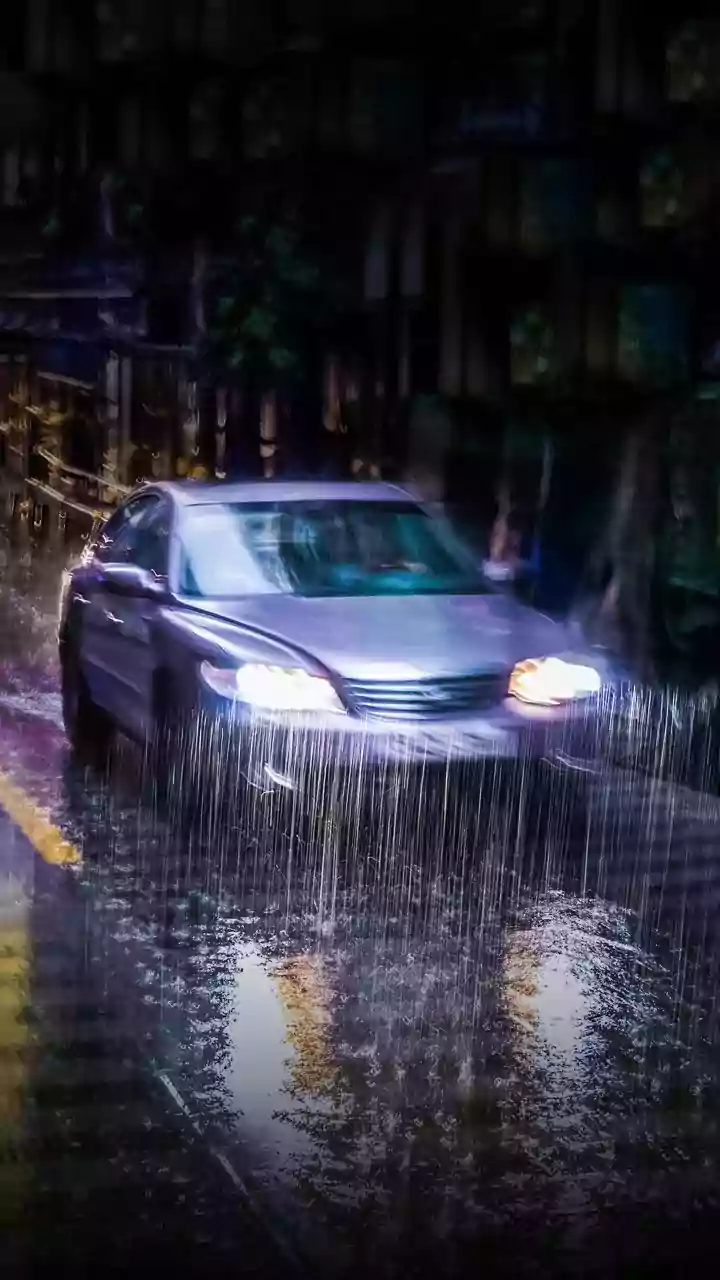
incredibly difficult to turn. These complaints, which began surfacing in 2023, described a condition where the steering would feel 'notchy' or 'clicky', sometimes accompanied by a 'Steering assist reduced' warning message on the dashboard. In some cases, drivers reported being unable to turn the wheel at all, a dangerous situation at any speed, but particularly concerning during low-speed manoeuvres like parking.
How Regulators Responded
NHTSA's Office of Defects Investigation (ODI) took the complaints seriously, launching a preliminary evaluation in July 2023 covering around 280,000 vehicles. As more data was gathered, the situation was deemed serious enough to upgrade the probe to a more in-depth engineering analysis in early 2024. This higher level of scrutiny allowed investigators to conduct a more detailed review of the defect. The total number of potentially affected vehicles under review grew to approximately 376,000.
The Technical Glitch Explained
So what was actually going wrong inside these advanced electric cars? Tesla's own investigation, shared with NHTSA, identified the root cause as a technical fault on the circuit board of the steering system's Electronic Control Unit (ECU). Essentially, an 'overvoltage condition' could overstress key components on the board. This electrical stress could cause the power steering assist to fail. The problem was especially pronounced after the vehicle had been stopped and then started moving again, increasing the risk of a crash.
Tesla's Fix and the Recall
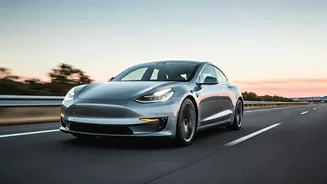
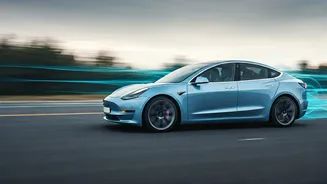
Even as the federal investigation was ongoing, Tesla worked on a solution. The company determined that a software update could prevent the overvoltage condition from occurring. In early 2025, Tesla issued a formal recall for the 376,000 affected Model 3 and Model Y vehicles to deploy this fix. True to its tech-first approach, the remedy was delivered as an over-the-air (OTA) software update, meaning owners did not need to bring their cars into a service centre. The specific update, version 2023.38.4 or later, began rolling out as early as October 2023.
Why the Investigation Was Closed
In late June 2026, NHTSA formally closed its investigation. The agency concluded that the software recall initiated by Tesla adequately addressed the safety concern. A key factor in this decision was the significant drop in owner complaints after the software update was deployed. While the probe is closed, NHTSA has stated it will continue to monitor the effectiveness of Tesla's fix and reserves the right to take further action if necessary.
The Broader View for India
While this specific investigation was centred on US-market vehicles, it holds important lessons for car buyers in India, where Tesla has a growing presence and high-tech vehicles are gaining popularity. It underscores the critical role of robust regulatory oversight in ensuring vehicle safety, even for the most technologically advanced cars. It also highlights a key advantage of modern connected vehicles: the ability to fix significant safety issues via a simple software download, a process far more convenient than traditional physical recalls. For Indian consumers considering an EV, this saga serves as a reminder to stay informed about global recalls and software updates, as the technology that powers their cars is constantly evolving.