

Tomatoes: Keep Them on the Counter
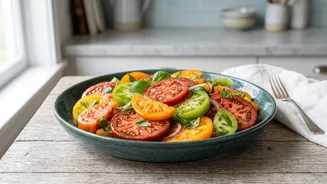
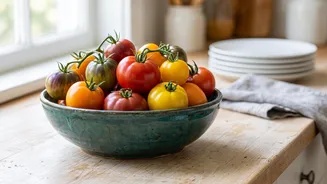
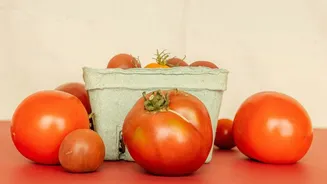
Refrigerating a fresh tomato is one of the fastest ways to destroy its flavour. The cold air in the fridge stops the fruit from ripening further, which is a process that develops its sugars and acids. More importantly, chilling temperatures below about
12°C damage the membranes inside the tomato's walls, resulting in a bland, mealy, and watery texture. A 2016 study found that cold temperatures actually switch off the genes responsible for creating the volatile compounds that give tomatoes their signature aroma and taste. For the best flavour, store whole tomatoes on your countertop away from direct sunlight. If they are perfectly ripe and you won't eat them for a day or two, refrigeration can slow down decay, but be sure to let them return to room temperature before eating to revive some of the flavour.
Potatoes: Dark, Cool, and Dry
Potatoes thrive in cool, dark, and well-ventilated spaces, but the refrigerator is not one of them. The cold, moist environment of a fridge causes the starch in potatoes to convert into sugar. This chemical change not only gives them an unpleasantly sweet taste and a gritty texture but also affects how they cook. When fried or roasted, these extra sugars can cause the potatoes to brown too quickly on the outside before the inside is cooked. It's best to store potatoes in a paper bag or a basket in a pantry or a cool cupboard. And be sure to keep them away from onions; the gases they release can cause each other to spoil faster.
Bread: The Enemy is Cold, Not Time
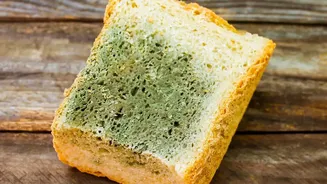
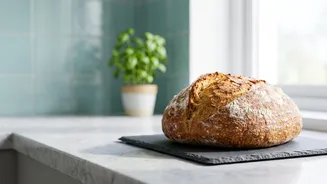
It may seem counterintuitive, but storing bread in the refrigerator actually makes it go stale much faster. The process, known as starch retrogradation, is when the starch molecules in the bread recrystallize and push water out, making the loaf hard and dry. This process happens at all temperatures but is significantly accelerated at the cool, non-freezing temperatures of a refrigerator. While the fridge might slow down mould growth, it sacrifices texture and taste almost immediately. The best way to keep bread fresh for a few days is at room temperature in a bread box or a paper bag, which allows for some air circulation. If you need to store it for longer, your freezer is the best option. Freezing almost completely halts the staling process, preserving the bread's quality until you're ready to thaw it.
Onions and Garlic: Let Them Breathe
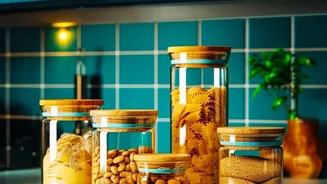
Like potatoes, onions and garlic need a cool, dark, and dry environment with good air circulation. The humidity of a refrigerator can cause them to become soft, mushy, and prone to sprouting or moulding. Store them in a mesh bag or a basket in a well-ventilated pantry. Whole, unpeeled onions and garlic can last for several months when stored properly this way. However, once an onion or garlic clove is peeled or chopped, it should be stored in an airtight container in the refrigerator to prevent bacterial growth and odour contamination.
Coffee and Honey: Pantry Staples for a Reason
Two other items that suffer in the cold are coffee and honey. Coffee beans and grounds are porous and will absorb moisture and odours from the surrounding environment. Storing coffee in the fridge introduces moisture, which dulls its flavour, and can even make your morning cup taste like last night's leftovers. Keep coffee in an airtight, opaque container in a cool, dark pantry. For honey, refrigeration is unnecessary and will cause it to crystallize and become thick and difficult to pour. Honey is naturally preserved and will last almost indefinitely at room temperature.