






The Impossible Return
For over a decade, the official word from Maranello was resolute: the manual transmission was dead. Executives explained that modern dual-clutch gearboxes were faster, more efficient, and what the brand’s performance-focused identity demanded. The last
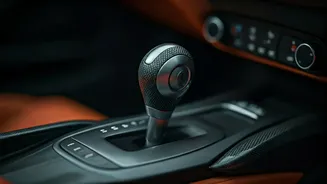
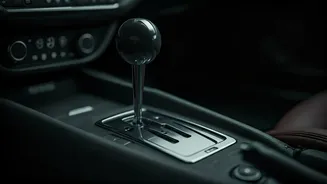
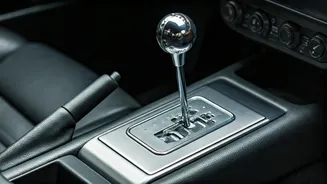
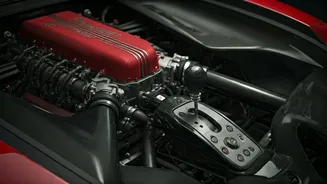
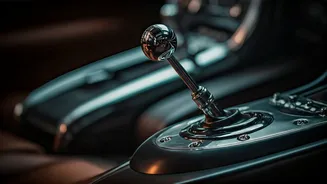
V12 Ferrari with a true three-pedal setup was the 599 GTB, which ceased production around 2012. Since then, the iconic open-gated metal shifter has been a ghost, a relic of a bygone era whose rarity caused values of older manual Ferraris to skyrocket. Then, in a move that stunned the automotive world, Ferrari announced the 12Cilindri Manuale. It features a naturally-aspirated V12 engine and, impossibly, a clutch pedal and a gorgeous, classic-looking gated shifter. It’s the return no one thought would ever happen.
An Analogue Illusion
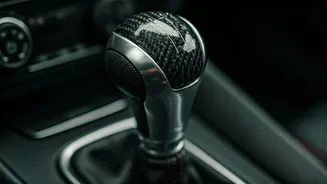
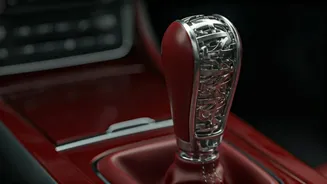
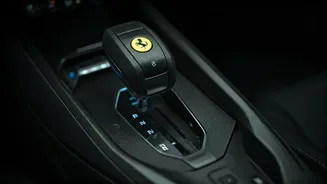
Here’s the revolutionary twist: the 12Cilindri Manuale does not have a traditional manual gearbox. Instead, Ferrari has engineered an ingenious 'Manuale By-Wire' system. The clutch pedal and the six-speed shifter have no physical connection to the transmission. They are sophisticated electronic inputs that control the car's standard eight-speed dual-clutch transmission (DCT). When you press the clutch and slot the beautiful aluminium lever into a gear, you are sending electronic signals. The car’s brain then instructs the DCT to perform the shift, complete with carefully engineered mechanical feedback to make it feel authentic. It’s a simulation, but one so convincing that Ferrari claims you can even stall the engine if you get it wrong.
The Best of Both Worlds?
This approach has divided enthusiasts, but it solves a critical engineering problem. A traditional manual gearbox would likely struggle to handle the colossal 819 horsepower from the 6.5-litre V12 without significant, performance-blunting modifications. By using a by-wire system, Ferrari preserves the engine's full, screaming 9,500 rpm potential while reintroducing the physical ritual of shifting. The driver gets the tactile joy and engagement of a manual, but with the robustness of a modern DCT. Furthermore, the system is essentially a mode; the driver can choose to ignore the clutch and shifter and let the car operate as a full automatic, using the seventh and eighth gears of the DCT for relaxed high-speed cruising. The steering wheel, notably, has no paddle shifters, forcing a commitment to the central lever when driving in manual mode.
Why The Manual Faded
To understand the significance of this car, one must remember why Ferrari abandoned the manual in the first place. Starting in the late 1990s with the F1-style transmission offered on the F355, paddle shifters went from a novelty to the norm. They offered faster shift times than any human could manage, which perfectly aligned with Ferrari’s relentless pursuit of track performance. For models like the 360 and F430, the take-rate for manuals dwindled with each passing year. By the time the California was introduced, only a handful of buyers opted for three pedals. The market had spoken, or so it seemed. But as the cars became more automated, a deep-seated nostalgia grew for the classic, more engaging driving experience, turning the few manual Ferraris that existed into priceless collector's items.
A Statement in Metal and Code
The 12Cilindri Manuale, to be produced in a limited run of just 1,499 coupes, is more than just a car; it's a philosophical statement. Ferrari has recognized that for a certain type of discerning customer, the emotional connection and the joy of the process now outweigh pure, objective performance metrics. It acknowledges that in an increasingly digital and detached world, there is immense value in an analogue feeling, even if it’s delivered via cutting-edge technology. The car is not simply offering a retro feature; it is using technology to resurrect a sensation. It is turning nostalgia itself into a selectable, and highly exclusive, driving mode.