




The Magic of Fermentation
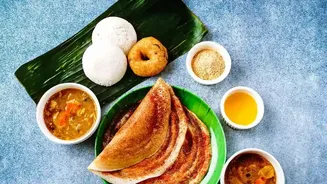
Fermentation is a cornerstone of South Indian breakfast, a slow, magical process that transforms simple batters of rice and lentils into something extraordinary. This technique is all about creating air and lightness. When a batter of ground rice and lentils is left
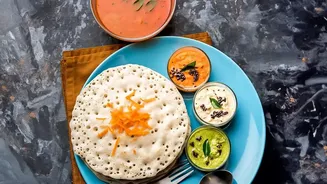
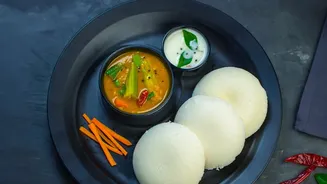
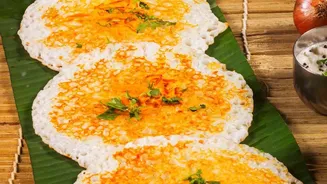
to rest overnight, natural yeasts get to work, producing bubbles that make the mixture rise. The result is a batter that is not only easier to digest but also has a signature tangy flavour. When this airy batter meets heat, it creates iconic dishes with distinct textures. Steamed in moulds, it becomes idli—impossibly soft, fluffy, and pillow-like rice cakes that melt in your mouth. Spread thinly on a hot griddle, the same batter transforms into a dosa, a large, crispy crepe with a delicate, lace-like structure. Another variation is uttapam, which is thicker like a pancake, resulting in a crispy bottom and a soft, spongy top. This single technique of fermentation is the secret behind a whole family of breakfast staples, each with its own unique and beloved texture.
The Gentle Power of Steam
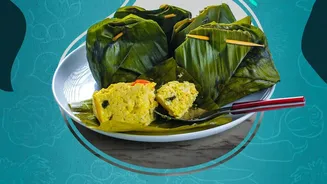
Steaming is a technique prized for its ability to cook food gently, preserving nutrients while creating wonderfully soft and delicate textures. It’s a method that requires no oil, making many steamed breakfasts both healthy and light. In Gujarat, a batter of fermented chickpea and rice flour is steamed to create dhokla, a savoury sponge cake that is soft, airy, and incredibly light. Similarly, idlis from the south are also defined by this gentle cooking method. In Karnataka, nuchinunde are steamed lentil dumplings that are both protein-packed and tender. The technique is also used in Kerala to make dishes like puttu, a cylindrical steamed cake of ground rice layered with coconut, and idiyappam, delicate nests of steamed rice flour noodles. The common thread is how steam infuses the food with moisture, cooking it through without creating a hard crust, resulting in a clean taste and a soft, pleasing mouthfeel.
The Art of the Griddle
The hot griddle, or tawa, is the workhorse of the North Indian breakfast kitchen, responsible for producing an incredible array of flatbreads with textures ranging from soft and pliable to layered and crispy. The most famous of these is the paratha, a whole wheat flatbread that can be made plain or stuffed. The technique of shallow-frying dough on the tawa with ghee or oil creates a golden-brown exterior that is delightfully crisp, while the inside remains soft. When stuffed with fillings like spiced potatoes (aloo paratha) or paneer, it becomes a hearty and satisfying meal. Another griddle favourite is the cheela, a savoury pancake made from gram flour (besan) or moong dal batter. Spread on the tawa, it cooks into a thin, tender pancake that can be enjoyed plain or filled, offering a softer texture than a crispy dosa. This technique highlights how direct, dry heat can be manipulated to achieve a wide spectrum of textures.
The Indulgence of Frying
Deep-frying and shallow-frying introduce a rich, indulgent crispiness that is central to many beloved breakfast dishes across India. This technique is less about lightness and more about creating a satisfying crunch. In the North, chole bhature is a classic weekend indulgence, featuring large, puffy breads (bhature) that are deep-fried until they inflate with air, resulting in a texture that's crispy on the outside and hollow and soft on the inside. Similarly, poori is a smaller, unleavened bread that puffs up dramatically when fried, served alongside a potato curry (bhaji). In Maharashtra, poha, a dish made from flattened rice, is often garnished with sev—fine, crispy fried gram flour noodles—adding a crucial layer of crunch to an otherwise soft dish. Frying is also used to make savoury pastries like kachori, which has a crisp, flaky shell encasing a spicy filling, showcasing how the technique creates a delicious textural contrast.