





The Search for a Showroom
The first challenge for any potential FFV buyer in India is simple: finding one to buy. While the government's ambition is clear, the reality is that the market is still in its infancy. As of mid-2026, very few mass-market flex-fuel models are actually
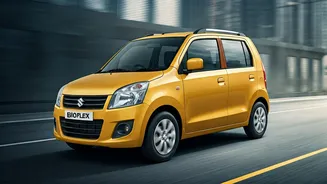
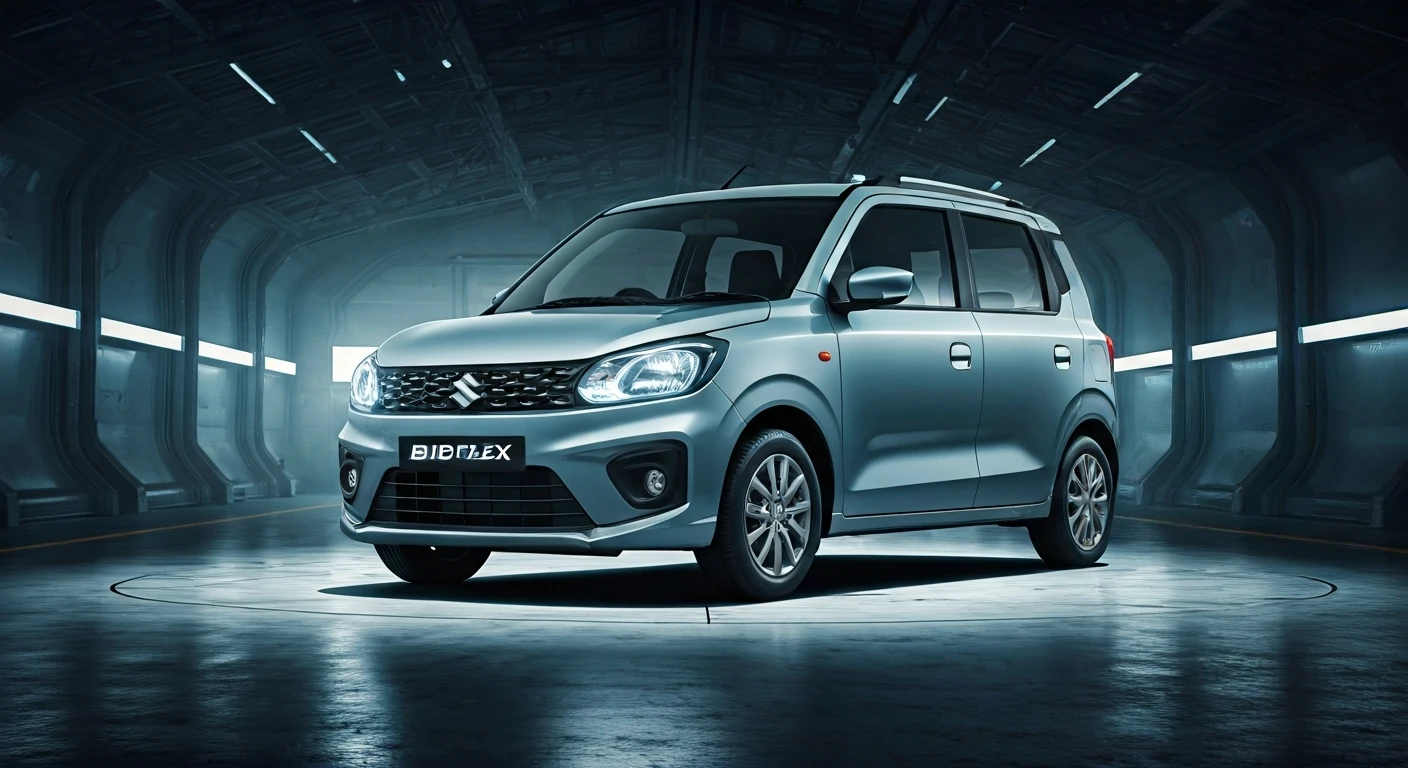
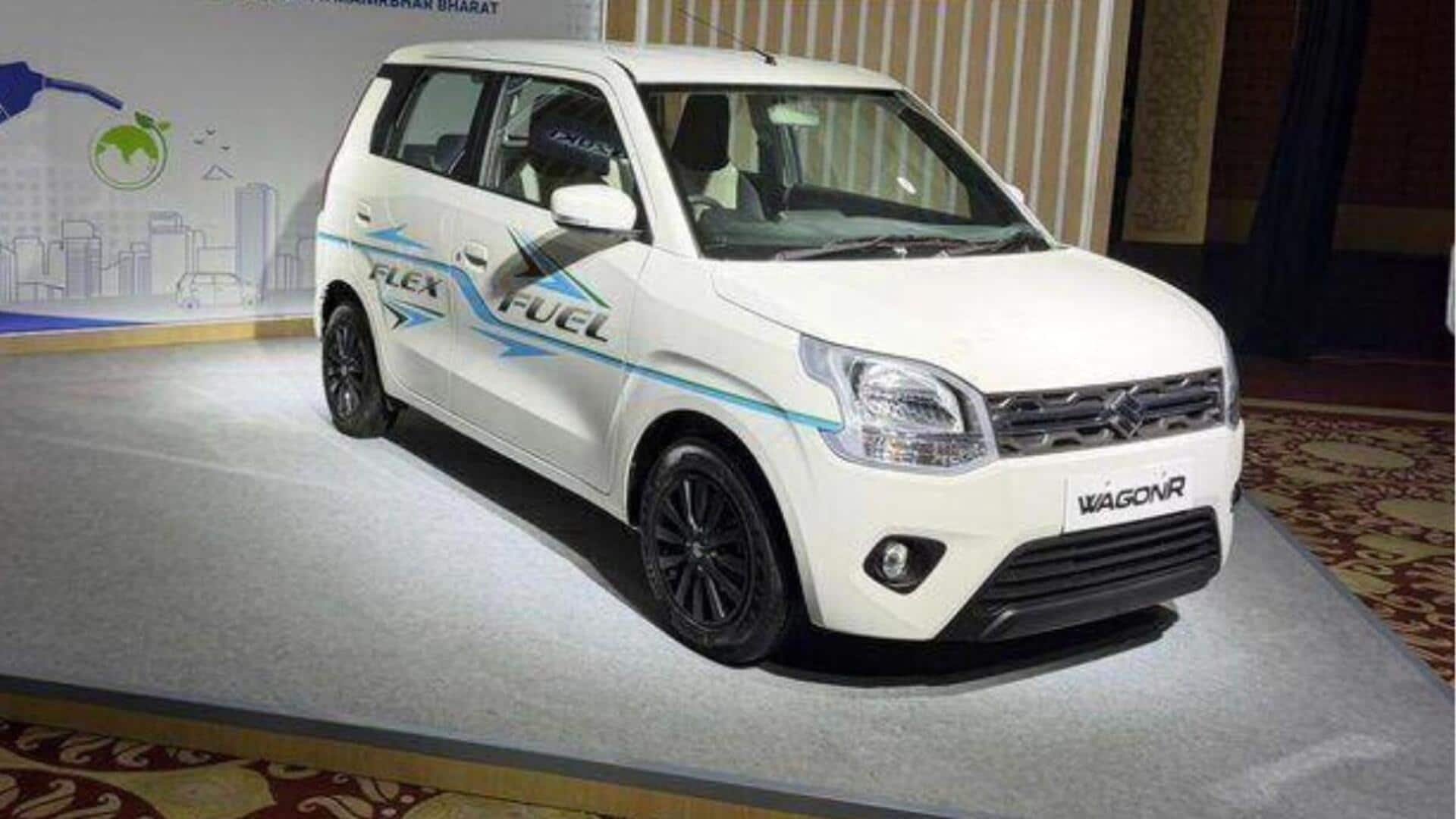
available for purchase. Automakers like Maruti Suzuki and Tata Motors have showcased prototypes of popular models like the WagonR, Fronx, and Punch, capable of running on high-ethanol blends like E85 (85% ethanol). However, the rollout has been slow. This scarcity creates a classic chicken-and-egg problem. Carmakers are hesitant to commit to mass production without a clear demand and a robust fueling network, while customers cannot buy cars that aren't in the showroom. For FFVs to move from policy documents to public roads, a much wider and more diverse range of models—from affordable hatchbacks to popular SUVs—needs to become readily available.
The Fueling Hurdle
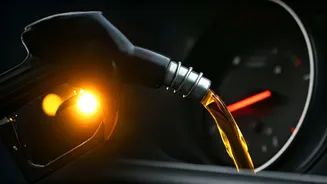
Even if you could buy an E85-compatible car today, your next challenge would be finding the fuel. India has made impressive strides in rolling out E20 petrol (20% ethanol blend), which is now the standard across the country and compatible with most vehicles manufactured after April 2023. But true flex-fuel vehicles are designed for much higher blends, like E85, to deliver their full potential. As of June 2026, dedicated E85 pumps are extremely rare, with a few initial stations opening in major cities like Delhi. Reports suggest the government aims to have around 500 E85 stations in the near future, a tiny fraction of the more than 72,000 stations dispensing regular petrol. This limited infrastructure makes owning an FFV impractical for most people, especially outside major urban centres. Until E85 fuel becomes as easy to find as regular petrol, the appeal of a car designed to run on it remains severely limited.
The Savings Equation
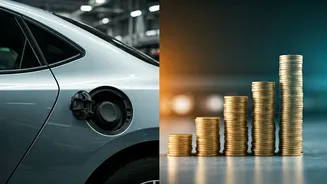
The most critical factor for widespread adoption is the cost. A flex-fuel vehicle needs to make financial sense for the average consumer. This is currently the biggest hurdle. Firstly, FFVs are more expensive to buy. Making an engine E85-compliant requires modifications to the fuel system, which adds to the manufacturing cost. For example, a flex-fuel version of the WagonR was reported to be priced significantly higher than its standard petrol counterpart. Secondly, there's the running cost. Ethanol has a lower energy density than petrol, which means your car's mileage will drop when using a higher ethanol blend. An engine running on E85 can see its fuel efficiency decrease by 20-30% compared to petrol. While E85 fuel is priced lower per litre—around ₹20 cheaper than E20 petrol at its launch in Delhi—this discount may not be enough to offset the drop in mileage. A simple calculation shows that the cost per kilometre could actually be higher with E85, unless the price gap widens significantly.
What Needs to Happen?
For flex-fuel technology to succeed, a coordinated effort is required from all stakeholders. The government, automakers, and fuel companies must work together to break the deadlock. Automakers need to see a clear business case, which may require initial government incentives to bridge the price gap between FFVs and regular cars. Fuel companies need to aggressively expand the E85 dispensing network, backed by clear policy and investment support. Most importantly, the economic proposition for the consumer must be undeniable. As seen in Brazil, the world's most mature FFV market, ethanol-based fuels become attractive only when they are significantly cheaper than petrol—typically below a 70% price threshold—to compensate for the lower mileage. Unless the combination of a lower vehicle price, widespread fuel availability, and a clear, consistent saving per kilometre is achieved, flex-fuel vehicles will remain a niche-interest topic rather than a mainstream solution for India's mobility future.