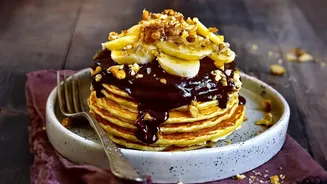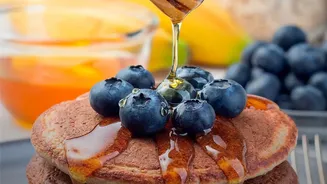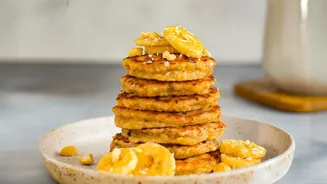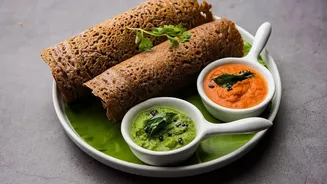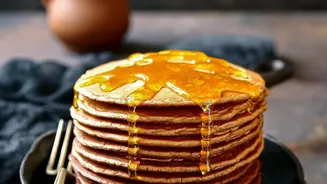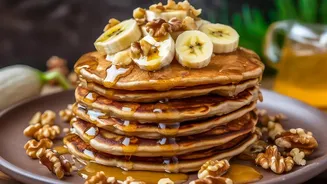




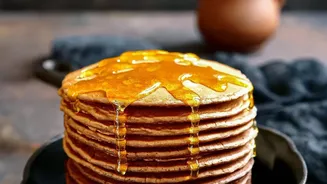
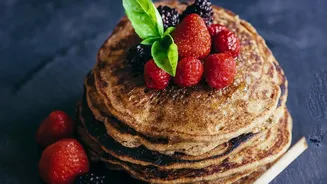
The Power and Problem of Ragi
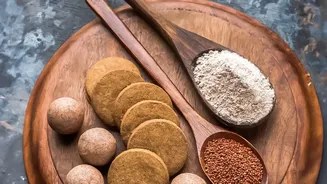
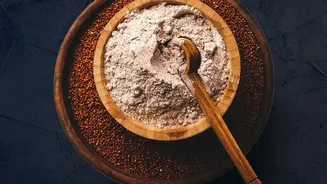
Ragi, or finger millet, is a nutritional powerhouse long celebrated in Indian households. Packed with calcium, iron, protein, and dietary fibre, it’s a fantastic gluten-free alternative to wheat and rice. This ancient grain is praised for its role in supporting
bone health, aiding weight management, and being diabetic-friendly. But for all its benefits, cooking with ragi flour can be a challenge. Because it contains no gluten, ragi doesn’t form the elastic, stretchy network that holds traditional batters together. This often results in a thick, sticky, and almost dough-like mixture that is difficult to spread on a pan. Instead of a neat, round pancake, you might end up with a lumpy, unevenly cooked creation that cracks at the edges. This frustration leads many to give up, missing out on the incredible benefits of this superfood.
The Secret to a Smooth, Spoonable Batter
The key to perfect ragi pancakes lies not in vigorous mixing, but in rethinking the batter's composition and consistency. The goal is to create a 'spoonable' batter—one that is smooth and pourable enough to spread gently on the pan without being watery. To achieve this, several elements are crucial. First, a binding agent is non-negotiable. Combining ragi flour with a small amount of whole wheat flour (atta) or rice flour provides the structure that ragi lacks on its own. Second, introducing moisture and natural binders is a game-changer. Mashed ripe banana is an excellent addition; it provides moisture, natural sweetness, and helps hold the batter together. Similarly, adding a dollop of yoghurt or curd makes the pancakes softer and adds a pleasant, subtle tang. Finally, achieving the right liquid ratio is essential. Instead of adding all your milk or water at once, pour it in gradually while whisking, stopping when you have a batter that flows smoothly off a spoon—not too thick, not too thin.
The Ultimate Spoonable Ragi Pancake Recipe
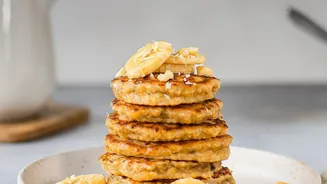
This recipe is designed for a smooth, easy-to-handle batter that delivers fluffy, delicious pancakes.Ingredients:- 1 cup ragi flour- ½ cup whole wheat flour (atta)- 1 large ripe banana, mashed until smooth- 2 tablespoons yoghurt or curd- 1 to 1 ½ cups milk, adjusted for consistency- 1 tablespoon jaggery powder or honey (optional, as the banana adds sweetness)- ½ teaspoon baking powder- ¼ teaspoon baking soda- A pinch of cardamom or cinnamon powder- Ghee or butter for cookingInstructions:1. In a large bowl, whisk together the dry ingredients: ragi flour, whole wheat flour, baking powder, baking soda, and cardamom/cinnamon powder.2. In a separate bowl, mix the wet ingredients: mashed banana, yoghurt, jaggery/honey, and one cup of milk.3. Gradually pour the wet mixture into the dry ingredients, whisking gently until just combined. Do not overmix.4. Add the remaining ½ cup of milk slowly, stopping when the batter reaches a smooth, pourable consistency. It should be thick enough to hold its shape but fluid enough to be spooned onto a pan. Let the batter rest for 5-10 minutes.5. Heat a non-stick pan or tawa over medium heat and grease it lightly with ghee. Pour a ladleful of batter onto the pan. It should spread into a neat circle on its own, but you can gently nudge it with the back of the spoon.6. Cook for 2-3 minutes, or until you see bubbles forming on the surface and the edges look set. Flip carefully and cook for another 1-2 minutes until golden brown.7. Serve hot with your favourite toppings.
Tips for Pancake Perfection
To ensure your ragi pancakes turn out perfectly every single time, keep these simple tips in mind. First, maintain the right pan temperature. If the pan is too hot, the pancake will burn on the outside before it cooks through. If it's not hot enough, it can stick. A medium heat is ideal. Test it by sprinkling a few drops of water; they should sizzle and evaporate instantly. Second, always stir the batter right before spooning it onto the pan. Ragi flour has a tendency to settle at the bottom, so a quick mix ensures an even consistency for each pancake. Lastly, resist the urge to press down on the pancake with your spatula while it's cooking. This just pushes the air out and will result in dense, flat pancakes instead of light and fluffy ones.