


Understanding the Visa-Free Rule
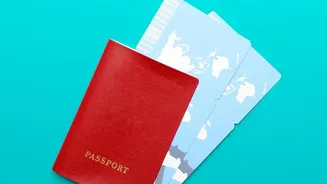
The new policy allows Indian passport holders to enter Uzbekistan for tourism, family visits, or short business trips for up to 30 days without needing to apply for a visa in advance. This significantly simplifies travel, removing the paperwork and waiting
times associated with the previous e-visa process. Announced during Prime Minister Narendra Modi's visit to Tashkent, the move is designed to boost tourism and strengthen cultural and business ties between the two nations. With 14 direct flights reportedly operating between India and Uzbekistan weekly, getting there is also becoming increasingly convenient. Travellers should still ensure their passport is valid for their entire stay and carry proof of accommodation and an onward ticket.
A Land of Shared History
For Indians, a trip to Uzbekistan is more than just a holiday; it's a journey into a shared past. The most notable connection is Babur, the founder of the Mughal Empire, who was born in Andijan, in present-day Uzbekistan. This Timurid lineage connects the architectural and cultural splendours of both regions. The historical ties go back even further, to the ancient Silk Road, a network for trade and ideas that linked Central Asia with the Indian subcontinent for centuries. This deep-rooted connection is visible in the art, culture, and even the faces of the people, creating a sense of familiarity and welcome for visitors from India.
Samarkand: The Crossroad of Cultures
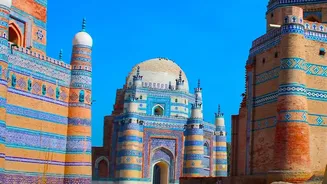
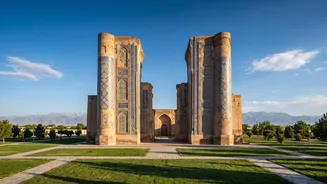
No trip to Uzbekistan is complete without visiting Samarkand, a city whose name evokes the magic of the Silk Road. Its crowning glory is Registan Square, a breathtaking ensemble of three grand madrasas (Islamic schools) adorned with intricate tilework and majestic blue domes. You can almost hear the echoes of centuries of history in this sprawling plaza. Other key sites include the Gur-e-Amir, the mausoleum of the conqueror Timur (Tamerlane), the sprawling Bibi-Khanym Mosque, and the Shah-i-Zinda necropolis, a stunning street of mausoleums. Samarkand is a city that doesn’t just display its history; it lets you walk right through it.
Bukhara: The Soul of the Silk Road
Often described as a living museum, the historic centre of Bukhara is a UNESCO World Heritage site that has been meticulously preserved. Its heart is the Poi Kalyan complex, featuring the towering Kalyan Minaret, which was so impressive that even Genghis Khan allegedly spared it. You can wander through ancient trading domes, relax by the Lyabi-Hauz pool, and visit the serene Samanid Mausoleum, a 9th-century masterpiece of brickwork. Unlike some other historical cities, Bukhara feels alive, with its winding alleys, bustling bazaars, and chaikhanas (tea houses) inviting you to slow down and soak in the atmosphere.
Khiva: The Fabled Walled City
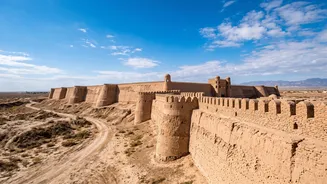
Stepping into Khiva’s old town, known as Itchan Kala, feels like entering a real-life fairy tale. Enclosed by formidable mud-brick walls, this pedestrian-only city is a perfectly preserved example of a Central Asian oasis town. Inside the walls, you’ll find a dense collection of mosques, mausoleums, palaces, and minarets, including the uniquely shaped Kalta Minor Minaret, covered in turquoise tiles. Key sites include the Juma Mosque, with its 218 carved wooden columns, and the Kunya-Ark fortress. Exploring Itchan Kala, especially at sunrise or sunset when the clay walls glow, is an unforgettable experience that transports you back to the age of caravans and Khans.
Practical Tips for Indian Travellers
The best times to visit are spring (April-May) and autumn (September-October) when the weather is mild and pleasant. The local currency is the Uzbekistani Som (UZS). While credit cards are accepted in larger hotels in Tashkent, it's wise to carry cash, especially in smaller towns and bazaars. Don't leave without trying the national dish, Plov, a flavourful one-pot rice pilaf often made with lamb or beef. Other culinary highlights include manti (dumplings) and shashlik (grilled skewers). The people are known for their hospitality, and many travellers report feeling incredibly safe and welcomed.