

Beyond the Hype: What Fermentation Really Offers
Fermented foods are everywhere, often surrounded by grand claims of miracle health benefits. While it's wise to be sceptical of any food trend promising to solve all your problems, the truth about fermentation is both simpler and more interesting. At
its core, fermentation is a natural process where microorganisms like bacteria and yeast break down sugars in food. This process not only preserves the food but also transforms its flavour, creating the tangy, sour, and complex notes found in everything from dahi to dosa. While these foods aren't a cure-all, they are a source of probiotics, the beneficial bacteria that support a healthy gut. Think of it less as a prescription and more as a delicious way to add diversity to your diet and support your digestive system, which can be especially vulnerable during the monsoon.
The Familiar Comfort of Dahi
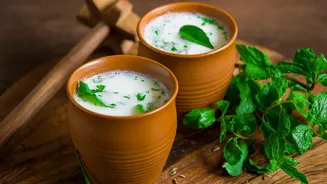
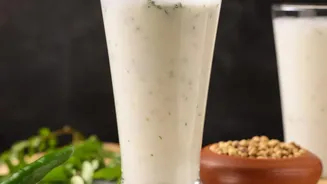
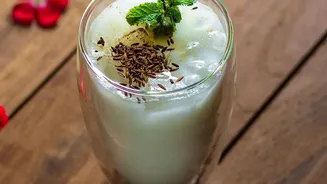
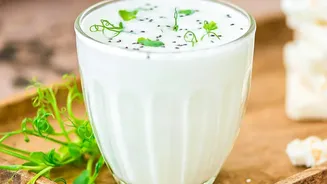
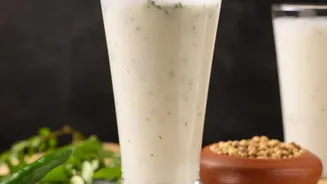
The most accessible fermented food in any Indian kitchen is dahi, or homemade curd. We often see it as a simple side, but it’s a versatile powerhouse of flavour. During the monsoon, when heavy, oily foods can feel taxing, dahi is a cooling and digestive aid. But it can do so much more. Use it as a base for marinades to tenderise chicken or paneer, adding a subtle tanginess. Blend it into a refreshing lassi or a savoury chaas, which is lighter and particularly soothing for a sluggish monsoon stomach. A bowl of raita, loaded with seasonal vegetables, can balance the heat of a spicy meal and introduce a creamy, cooling element, making your entire plate more dynamic.
Discovering the Tangy Kick of Kanji
For those looking to venture beyond the familiar, kanji is a fantastic place to start. This traditional North Indian fermented drink, typically made with black carrots, is a flavour revelation. The fermentation process, driven by mustard seeds, gives it a uniquely pungent, tangy, and slightly spicy taste that is incredibly refreshing. While traditionally a winter beverage, its probiotic qualities and digestive benefits make it a worthy addition to a monsoon diet. You can make it at home by fermenting carrots with water, salt, and ground mustard seeds for a few days in the sun. The result is a vibrant, deep purple drink that can be served as an appetizer to awaken the palate before a meal. It has an acquired taste, but one that opens up a new world of savoury Indian beverages.
The Fermented Soul of South Indian Staples
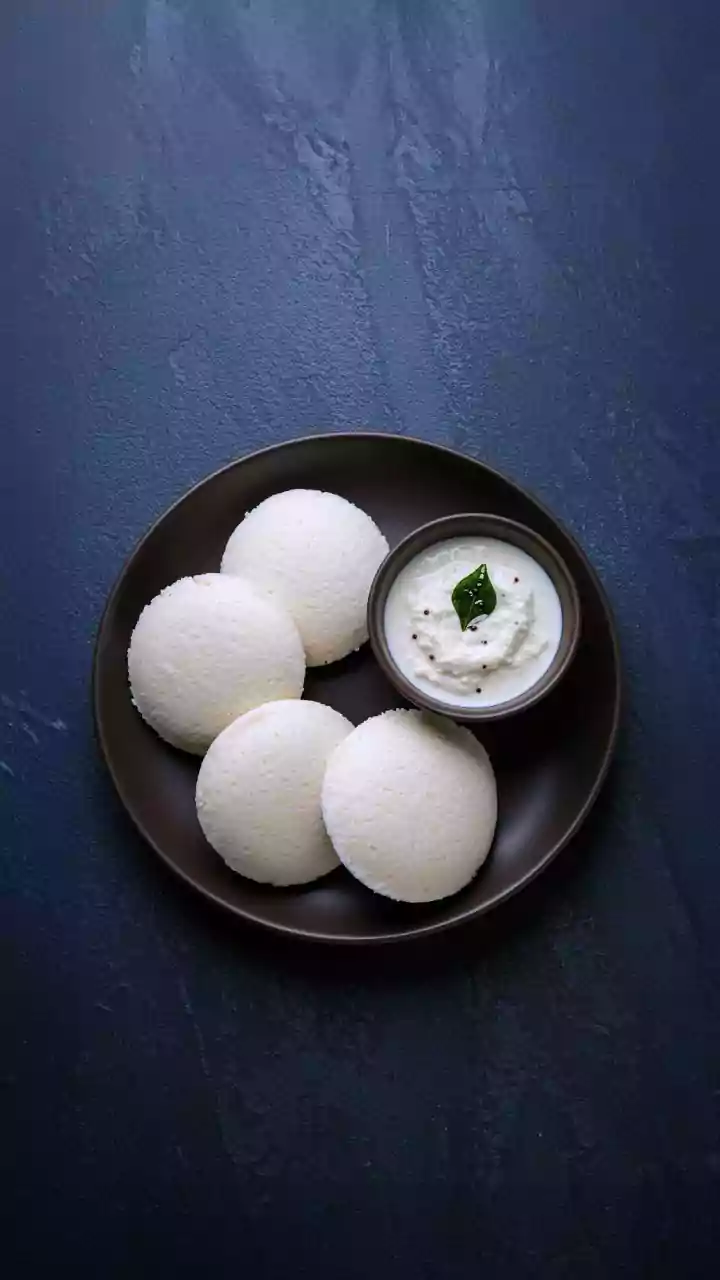
Many of us enjoy idli and dosa regularly without necessarily thinking of them as fermented foods. But it's the fermentation of the rice and lentil batter that gives them their signature character. This process doesn't just leaven the batter, creating the fluffy texture of idlis and the crispiness of dosas; it also imparts a delicate sour flavour that is essential to the dish. Furthermore, fermentation breaks down the starches and proteins, making these dishes remarkably light and easy to digest. This makes them an ideal meal during the monsoon, whether for a nourishing breakfast or a light dinner. Appreciating the fermentation behind these staples can change the way you taste them, revealing the complex processes behind simple comforts.
The Enduring Charm of Achaar
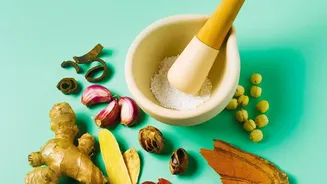
Traditional Indian pickles, or achaar, are a brilliant example of fermentation used for preservation and flavour enhancement. Unlike pickles made with vinegar, authentic Indian achaar relies on salt, spices, and sometimes oil to create an environment where natural fermentation can occur over days or weeks. This process results in pickles with incredible depth and pungency. From a spicy mango pickle to a sour lemon one, these condiments are a concentrated burst of flavour that can elevate a simple meal of dal and rice. During the monsoon, when fresh produce can be limited, a spoonful of homemade pickle provides the variety and zest your palate might be craving, reminding us that fermentation is one of our oldest culinary traditions.