




A Tradition Steeped in Sweets
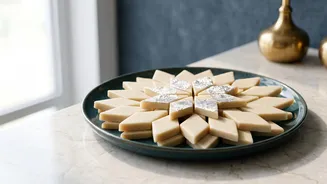
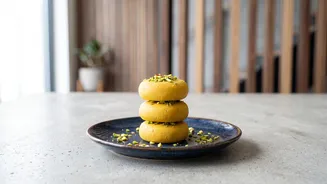
Festivals like Diwali and Navratri are synonymous with an explosion in the consumption of traditional Indian sweets, known as 'mithai'. These aren't just desserts; they are integral to rituals, gifting, and hospitality. Families throng to local sweet shops
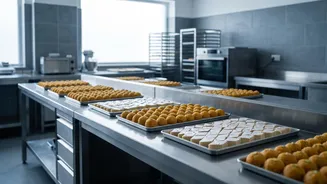
to buy boxes of treats made from milk, sugar, flour, and ghee. Key ingredients include 'khoya' (milk solids) and 'paneer' (a fresh cheese), which form the base for countless delicacies. The demand during this period is immense, with confectioners dramatically increasing production to meet the cultural expectation of abundance and celebration. This intense, concentrated demand, however, creates a significant challenge for the food supply chain.
When Demand Outpaces Safety
The festive rush creates a lucrative opportunity for unscrupulous producers to cut corners. With the prices of raw materials like pure milk and ghee rising, the temptation to substitute them with cheaper, lower-quality, and sometimes non-edible alternatives becomes strong. The sheer volume required means that legitimate suppliers can struggle to keep up, opening the door for a shadow market of counterfeit ingredients. This is where adulteration becomes a widespread problem. The goal is simple: maximize profits by producing large quantities of festive foods as cheaply as possible, often at the direct expense of consumer health.
The Dangers of Adulteration
Food adulteration in this context goes far beyond simply watering down milk. It involves introducing harmful and sometimes toxic substances. 'Khoya' and 'paneer' are frequently bulked up with starch, blotting paper, or even urea and detergent. Ghee, a clarified butter essential for many recipes, might be mixed with cheaper vegetable oils or animal fats. To make sweets look more appealing, some vendors use non-permitted industrial dyes, like the carcinogenic Metanil Yellow, instead of food-grade colors. Even the delicate, edible silver foil ('vark') used for decoration can be replaced with aluminum, which may contain harmful heavy metals like lead. Consuming these products can lead to a range of health issues, from food poisoning and digestive distress to long-term organ damage.
The Official Crackdown
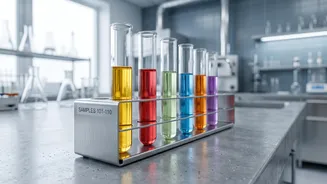
In response, India's food safety regulator, the Food Safety and Standards Authority of India (FSSAI), coordinates a massive, nationwide enforcement drive each festive season. In late September 2026, the FSSAI directed all states and territories to intensify inspections, especially for milk products, sweets, edible oils, and other high-demand items. These checks involve surprise raids on markets and manufacturing units, particularly in known hotspots for adulteration. Food safety officers collect samples for laboratory testing and, in some cases, use mobile testing vans known as 'Food Safety on Wheels' for on-the-spot analysis. Recent raids ahead of the 2026 festival season have already resulted in the seizure and destruction of thousands of kilograms of suspected adulterated 'khoya' and 'paneer'. Authorities are not just looking for adulterants but also checking for proper labeling, hygiene standards, and expired products to ensure public safety.