



Why Wet Weather Increases Contamination Risk
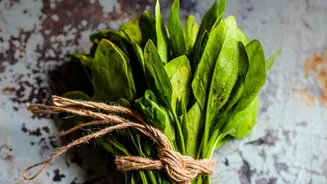
During prolonged rains and humid seasons, the risk of contamination on leafy greens like spinach, lettuce, and cabbage rises significantly. The increased moisture in the air and soil creates an ideal breeding ground for harmful bacteria, fungi, and parasites.
Rain can splash soil-borne pathogens, such as E. coli and Salmonella, directly onto the leaves of plants. Furthermore, the high humidity that accompanies wet weather allows these microorganisms to survive and multiply on the leaf surfaces for extended periods. Flooding events can be particularly hazardous, as floodwater may carry contaminants from sewage, animal waste, and agricultural runoff, introducing a host of pathogens into gardens and farms. This combination of factors means that vegetables harvested during these periods are more likely to carry a higher microbial load, increasing the risk of foodborne illnesses like diarrhoea, food poisoning, and other gastrointestinal infections if not handled properly.
The Perilous Journey From Farm to Table
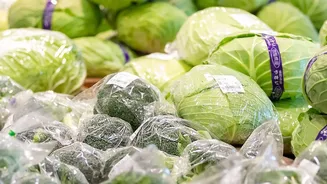
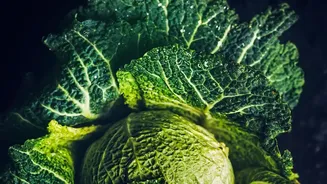
Contamination doesn't just happen in the field. The journey from the farm, through transport, to the local market, and finally to your home presents multiple opportunities for germs to accumulate, especially in damp conditions. The complex, layered structure of many leafy vegetables makes them difficult to clean thoroughly, trapping dirt, germs, and even small larvae between the leaves. In wet markets, produce is often displayed in open, damp environments where it can be easily cross-contaminated. The constant moisture prevents vegetables from drying, promoting further microbial growth. Handling by multiple people and storage in less-than-ideal conditions can compound the problem. Because of these heightened risks, some experts even advise limiting the consumption of raw leafy greens during the peak of the monsoon season.
Your Essential Guide to Washing Greens
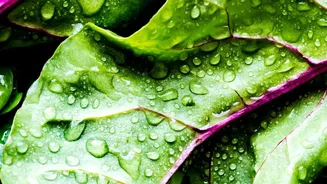
While the risks are higher, you don't necessarily have to give up leafy vegetables. Adopting a more rigorous washing routine can significantly reduce the potential for illness. Simply running greens under the tap is not enough. Start by washing your hands thoroughly with soap and water. Then, separate the leaves of vegetables like lettuce and cabbage, discarding any bruised, torn, or wilted outer leaves, as these are more likely to harbor germs. For most greens, the most effective method is to rinse them under cool, running water, rubbing the leaves gently with your hands to dislodge dirt and microbes. For an even deeper clean, you can immerse the separated leaves in a large, clean bowl of cool water. Swish them around to loosen any grit, which will settle at the bottom. It's important to lift the greens out of the water rather than pouring the bowl out through a colander, which would just pour the dirt back onto the leaves. A final rinse under running water is always a good idea.
Common Mistakes and Best Practices
A common mistake is soaking produce in a sink, which can itself harbor bacteria and lead to cross-contamination. Always use a clean bowl. While commercial vegetable washes are available, many food safety authorities, including the USDA, state that a thorough wash with clean, running water is sufficient for removing most contaminants. Some studies and sources suggest using a dilute solution of salt or vinegar for soaking. For a vinegar solution, a mix of one part white vinegar to three parts water can help reduce bacteria; soak for about 10 minutes and follow with a clean water rinse. However, this may affect the taste and texture. Never use soap or detergent, as produce can absorb these chemicals. Finally, drying your greens is a crucial step. Use a salad spinner or pat them dry with clean paper towels, as removing excess moisture helps prevent any remaining bacteria from multiplying before you eat.
Smart Shopping and Storage Tips
Food safety begins at the market. Be selective when buying leafy greens, especially during wet seasons. Inspect them carefully and avoid any bunches that look wilted, slimy, or have significant dirt or damage. Whenever possible, choose produce that looks fresh and crisp. Once home, proper storage is key. It's generally best to wash vegetables just before you plan to use them, as washing earlier and storing them wet can accelerate spoilage and bacterial growth. If you do wash them ahead of time, ensure they are dried thoroughly before refrigeration. Store them in the crisper drawer of your refrigerator, away from raw meat, poultry, or seafood to prevent cross-contamination.