


The Tomato Turnaround
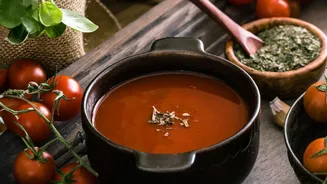
Tomatoes form the base of countless Indian curries, but their prices have become particularly volatile, sometimes doubling or more due to weather and supply issues. For that essential tangy flavour and rich gravy, you have several excellent, cheaper alternatives.
Unsweetened curd or yogurt can be whisked into a curry base to provide a creamy tang, a technique common in many regional Indian cuisines. For pure sourness, tamarind paste is a classic substitute that brings a deep, fruity tartness perfect for dals and south Indian gravies. Another brilliant swap is pumpkin (kaddu). Boiled and pureed, pumpkin provides a thick, slightly sweet base that mimics the body of tomato puree. A dash of vinegar or amchur (dry mango powder) can then be added to replicate the desired acidity.
Onion Options
Next to tomatoes, onions are the other cornerstone of Indian cooking, and their prices frequently surge. When onions become too expensive, you can pivot to other ingredients for that foundational flavour. Leeks, a milder cousin of the onion, can be chopped and sautéed similarly to create a sweet, less pungent base for soups and stews. In many sabzis and dals, a small amount of asafoetida (hing) can provide the savoury, umami-like depth that onions usually deliver. For texture, finely shredded cabbage can be sautéed until soft and caramelised, offering a surprising sweetness. Spring onions (scallions) are another great alternative; the white bulbs can be used for a sharper flavour, while the green tops add a fresh, mild oniony bite when added towards the end of cooking.
Cauliflower and Cabbage Alternatives
Cauliflower prices have also seen sharp increases. When gobi is off the menu, turn to other sturdy vegetables that hold up well in curries and stir-fries. Bottle gourd (lauki or doodhi) is a fantastic, budget-friendly option. It absorbs flavours beautifully and provides a tender bite, making it a great substitute for zucchini as well. Another versatile swap is raw papaya, which can be cubed and cooked in sabzis and stews, offering a texture similar to cooked cauliflower. Kohlrabi (ganth gobi) is another excellent choice; when peeled and cooked, its mild, slightly sweet flavour works well in a variety of Indian dishes.
Beyond the Bell Pepper
Colourful bell peppers (capsicum) can elevate a dish, but they are often among the pricier vegetables. For a similar crunch and bulk in dishes like kadai paneer or mixed vegetable curries, consider using carrots. They provide sweetness and a vibrant colour. For that slight hint of spice and flavour, local varieties of less spicy green chillies, like Bhavnagari peppers, can be used. Diced radish, when cooked, loses its pungency and becomes tender and slightly sweet, adding an interesting dimension to mixed vegetable preparations. These swaps ensure your dishes remain colourful and texturally interesting without relying on expensive bell peppers.
Greens and Other Veggies
The prices of leafy greens and other common vegetables like French beans and peas can also fluctuate, especially during the monsoon. When spinach or fenugreek (methi) get expensive, look for other local greens that are in season. For dishes that call for green peas, you can substitute them with sweet corn, diced carrots, or even soaked and boiled peanuts for a different texture and flavour profile. When French beans are costly, try using cluster beans (gawar) or chopped bottle gourd. The key is to be flexible and explore seasonal vegetables, which are almost always more affordable, fresher, and packed with nutrients.