






The Additive Question: What’s in Packaged Paneer?
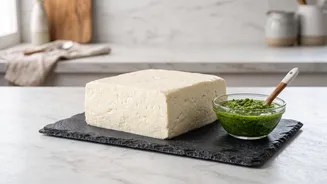
The primary difference lies here. Homemade paneer is pure, typically made with just two ingredients: milk and an acid like lemon juice or vinegar. In contrast, packaged paneer often contains additives to extend its shelf life, maintain texture, and ensure
consistency. These can include stabilizers, which prevent the paneer from crumbling, and preservatives to keep it fresh for weeks. Some brands may also add salt to enhance flavour, which increases the sodium content. While these additives are generally considered safe for consumption, making paneer at home gives you complete control, ensuring it remains free of any additions.
The Concern of Adulteration
Beyond approved additives, a more serious concern in unregulated markets is adulteration. Some producers may use starch or flour to increase the weight of the paneer, which dilutes its protein content. In more alarming cases, non-dairy fats like vegetable oils are used to replace milk fat, or synthetic milk made from substances like urea and detergents is used. These 'analogue' paneer products lack the nutritional value of real paneer and can pose health risks. While reputable, FSSAI-licensed brands are generally safe, the risk of adulteration has led many consumers to prefer making their own, especially when the source of local, loose paneer is unknown.
Nutritional Value and Freshness
Homemade paneer is often considered more nutritious, not just for what it lacks (additives), but for what it retains. Freshly made paneer tends to be higher in nutrients like B vitamins and calcium, which can degrade over time during the processing and storage of packaged versions. The fat content and quality are also within your control; using full-fat milk yields a richer paneer, while low-fat milk creates a lighter alternative. Some manufacturers may use milk powder or vegetable fats to cut costs, which can affect the taste and nutritional quality of the final product. Furthermore, fresh paneer is softer and generally easier to digest than its packaged counterpart, which can become hard and dense after weeks of storage.
Texture, Taste, and Tenderness
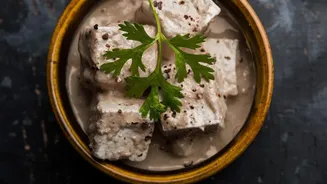
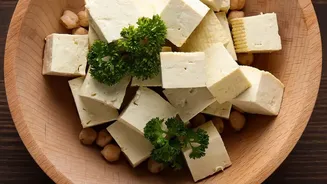
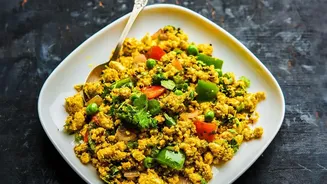
There is a noticeable difference in texture and taste. Homemade paneer is prized for its soft, moist, and creamy quality, which can elevate dishes like malai paneer or bhurji. It absorbs flavours beautifully without becoming tough. Store-bought paneer, on the other hand, is typically firmer and more rubbery. This isn't necessarily a drawback; its dense structure makes it ideal for cubing and frying, as it holds its shape well in curries and tikkas. The choice often comes down to personal preference and the specific requirements of the dish you're preparing.
Convenience vs. Control
In a busy household, convenience is a powerful motivator. Grabbing a block of paneer from the store is undeniably faster than the 30-45 minute process of boiling milk, curdling it, and pressing the curds. Packaged paneer also boasts a much longer shelf life. An unopened, vacuum-sealed pack can last for several weeks in the refrigerator, making it easy to plan meals in advance. Homemade paneer is a fresh cheese with no preservatives and has a very short shelf life. It is best consumed within a day or two and must be stored properly in the fridge, ideally submerged in water, which should be changed daily.