





The Two Faces of Cinnamon
Most of the cinnamon sold in supermarkets worldwide, especially in North America, is Cassia cinnamon. It's derived from the bark of the Cinnamomum cassia tree, primarily grown in China, Vietnam, and Indonesia. It is popular because it's inexpensive and has
a bold, strong flavor. The other variety is Ceylon cinnamon, often called “true cinnamon.” Hailing from Sri Lanka and Southern India, it comes from the Cinnamomum verum tree. Ceylon is considered a more premium spice, prized for its nuanced flavour and aroma. While both are sold as cinnamon, they have significant differences in taste, appearance, and chemical composition.
The Pungency Puzzle
The headline's claim comes down to a key chemical component: cinnamaldehyde. This is the essential oil that gives cinnamon its characteristic flavour and aroma. Cassia cinnamon has a higher concentration of cinnamaldehyde, often around 69-98%, which results in a very strong, spicy, and pungent flavour that some might even describe as slightly bitter. This assertive taste is what many people have come to associate with cinnamon. Ceylon cinnamon, on the other hand, has a lower cinnamaldehyde content, typically between 50-63%. This results in a milder, sweeter, and more complex flavour profile with delicate floral and citrus notes. So, if your cinnamon delivers a powerful, spicy punch, it's very likely Cassia.
Telling Them Apart By Sight
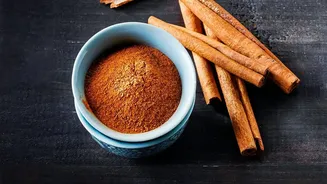
Beyond taste, there are clear visual cues, especially with cinnamon sticks. Cassia sticks are made from a single, thick layer of bark that curls inward, resembling a hollow scroll. They are typically a dark, reddish-brown and are very hard and woody. Conversely, Ceylon cinnamon sticks, or quills, are composed of many thin, paper-like layers of inner bark rolled together like a cigar. They are a lighter tan colour and are much more brittle and crumbly. When it comes to ground cinnamon, telling them apart is harder, but Cassia is generally a darker, reddish-brown, while Ceylon is a lighter tan or golden-brown.
A Question of Coumarin
Perhaps the most important difference between the two is their coumarin content. Coumarin is a natural compound that can be harmful to the liver in high doses, especially for sensitive individuals. Cassia cinnamon contains significantly high levels of coumarin, sometimes as much as 1% by weight. A single teaspoon of Cassia powder can contain enough coumarin to exceed the tolerable daily intake limit set by European health authorities. Ceylon cinnamon, by contrast, contains only trace amounts of coumarin—often 250 times less than Cassia. This makes Ceylon the safer choice for anyone who consumes cinnamon regularly or in large quantities, such as for health purposes.
Choosing the Right Spice for the Job
Understanding these differences helps you make better choices in the kitchen. Cassia's robust and fiery flavour holds up well in bold, rustic recipes. It's perfect for dishes like cinnamon rolls, spicy curries, and rich stews where you want the cinnamon flavour to be front and centre. Ceylon cinnamon's delicate and nuanced sweetness makes it ideal for more refined applications. It shines in desserts like custards, puddings, and light pastries where it can complement other flavours without overpowering them. It is also an excellent choice for flavouring beverages like tea, coffee, and smoothies.