




A High-Altitude Desert Plateau
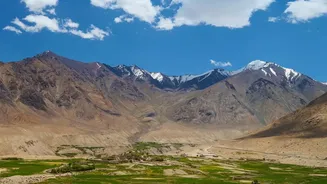
Nestled in the remote Changthang region of Ladakh, Tso Moriri is situated at a staggering altitude of over 4,500 metres (around 14,836 feet). This elevation places it on a vast, cold desert plateau, an extension of the Tibetan Plateau, often called the “roof
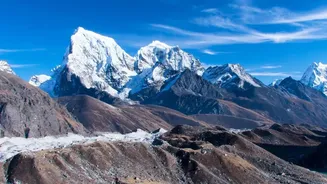
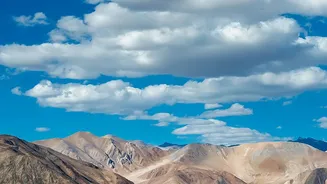
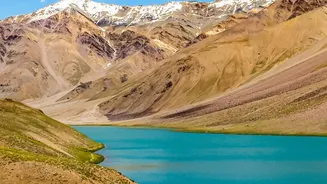
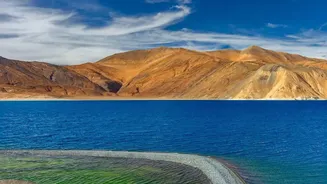
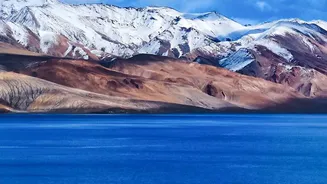
of the world”. The air here is thin and the landscape is stark and expansive. Unlike the lush green valleys found elsewhere in the Himalayas, the area around Tso Moriri is defined by its raw, barren mountains and wide-open plains. This rugged, almost desolate beauty, with its sense of immense space and isolation, is the first element that contributes to its “foreign” feel, reminiscent of the high plains of Tibet or the Andean Altiplano.
A Lake of Shifting Blues
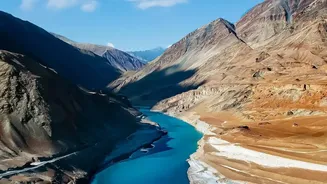
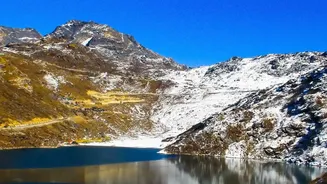
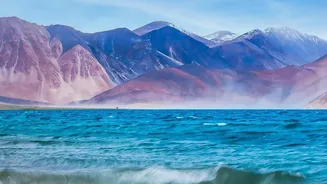
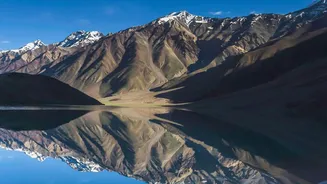
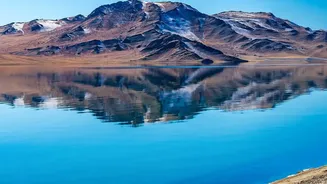
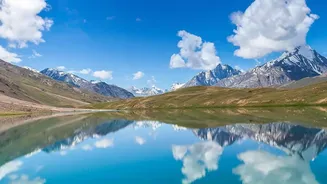
The centrepiece of this landscape is, of course, the lake itself. Tso Moriri, which translates to “Mountain Lake,” is the largest high-altitude lake entirely within India. It stretches for nearly 29 kilometres, a vast expanse of brilliant blue water that changes hue throughout the day. Depending on the light, its surface shifts from deep sapphire to a vibrant turquoise, reflecting the snow-dusted peaks that frame it. This intense colour is a result of its crystal-clear, nutrient-poor waters and the powerful, unfiltered sunlight at such a high altitude. The sheer scale and vividness of the lake, set against the muted browns and greys of the mountains, creates a dramatic, almost surreal contrast that few other places in India can match.
A Sanctuary for Rare Wildlife
The feeling of being in a different land is enhanced by the unique fauna that inhabits the area. Tso Moriri is a designated Wetland Conservation Reserve and the world's highest Ramsar site, a testament to its ecological importance. This protected status has made it a sanctuary for species adapted to extreme conditions. It is one of the most important breeding grounds in India for the rare and endangered black-necked crane and the bar-headed goose. Beyond the birdlife, the surrounding plains are home to the Kiang (Tibetan wild ass), Himalayan marmots, blue sheep, and even the elusive Tibetan wolf and snow leopard. Spotting these creatures, which are more commonly associated with the Tibetan Plateau, adds to the sense that you have journeyed far beyond familiar territory.
The Human Element: A Nomadic World
The human presence around Tso Moriri is minimal, adding to its mystique. The area is home to the Changpa, a semi-nomadic community of pastoralists who have lived in this harsh environment for centuries. They rear yaks and the famed pashmina goats, moving with their herds across the high-altitude grasslands. Their traditional lifestyle, living in yak-hair tents and contending with the extreme climate, feels ancient and disconnected from the modern world. The only permanent settlement is Korzok, a village on the lake's northwestern shore that is one of the highest in the world. The quietude of the region, punctuated only by the sounds of nature and the distant bells of grazing animals, creates a profound sense of tranquility and remoteness.