







A Staggered Start for Safaris
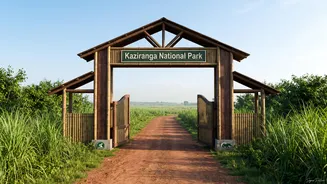
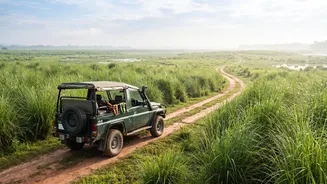
The most immediate difference in this year’s reopening is the staggered launch of its famous safari experiences. While the park officially reopened on October 3, 2026, only jeep safaris were available from day one. Tourists eager for the iconic elephant-back
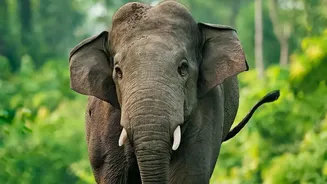
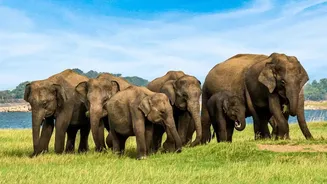
view of the grasslands will have to wait. Officials have announced that elephant safaris will remain suspended for the first few weeks to allow for necessary preparations, including pathway maintenance and animal training after the long monsoon break. This operational decision to separate the launch dates—with elephant safaris expected to begin around November 1—marks a clear, communicated strategy to ensure both animal welfare and visitor safety, rather than opening everything at once.
Phased Access Across Forest Ranges
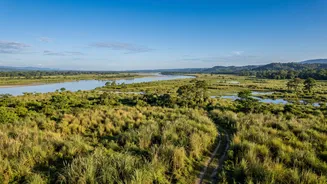
The phased approach extends beyond safari types to the park's geography itself. For the initial opening, access is limited to the most popular and accessible zones, specifically the Central Range at Kohora and the Western Range at Bagori. These areas are the first to be deemed ready for visitors following extensive post-monsoon repairs. Other ranges, such as the Eastern (Agoratoli) and Burapahar, will reopen to the public in subsequent phases as access routes are fully restored and declared safe. This methodical rollout ensures that tourists are funnelled into areas that are fully prepared, preventing operational issues and promising a better, safer wildlife viewing experience from the very start of the season.
Part of a New Tourism Masterplan
This year's calculated reopening isn't happening in a vacuum. It is the first tangible outcome of a new, comprehensive roadmap for Kaziranga's future that the Assam government began formulating in July 2026. Authorities held extensive consultations with tour operators, conservationists, and local stakeholders to create a long-term plan focused on upgrading visitor infrastructure, strengthening wildlife protection, and boosting the local tourism economy. Therefore, the 2026-27 season is the start of a new chapter, where decisions are driven by a broader strategy to manage increasing tourist footfall sustainably, rather than just by the annual compulsion to reopen after the floods.
Expanding Beyond the Park's Borders
Another key difference is the strategic shift to position Kaziranga as the anchor of a larger regional tourism network. Government ministers have explicitly stated their goal to develop new tourism circuits that connect the national park with nearby destinations. The objective is to encourage visitors to extend their stay in the region from a single day-trip to a longer two-to-four-day itinerary, exploring the wider cultural and natural landscape of Assam. This approach aims to distribute the economic benefits of tourism more broadly among local communities and reduce the intense pressure concentrated solely on the park’s core areas, marking a significant evolution in state tourism policy.
Balancing High Hopes with Conservation
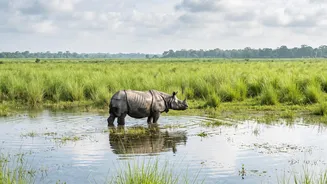
After a record-breaking 2025-26 season, officials are openly aiming for even higher tourist numbers this year. However, this ambition is being vocally balanced with a renewed emphasis on conservation. The successful reduction in rhino poaching has strengthened Kaziranga’s reputation as a world-class conservation site, a brand identity the government is keen to protect. Every announcement about the reopening and infrastructure upgrades has been framed within the context of responsible ecotourism and maintaining the delicate ecological balance of the UNESCO World Heritage Site. This year's message is clear: more tourists are welcome, but on terms that prioritize the park's long-term health.