




The Foundation: A Tale of Three Batters
The heart of the difference lies in the batter. While all are born from fermentation, their ingredients set them on separate paths. Dosa and Uttapam typically share a batter made from a blend of soaked rice and urad dal (black gram lentil), which is ground
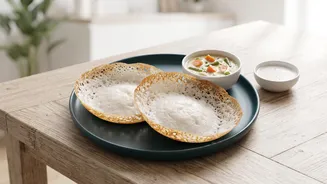
and fermented overnight. This process gives them a characteristic savoury and slightly tangy flavour. Appam, a star from Kerala, follows a different recipe. Its batter is primarily rice and coconut, and crucially, contains no lentils. Instead of relying solely on natural fermentation, it gets its lift from a leavening agent. Traditionally, this was toddy (fermented coconut palm sap), but today, yeast is commonly used. This gives appam batter a subtly sweet, aromatic quality that is entirely its own.
The Technique: Pan and Preparation
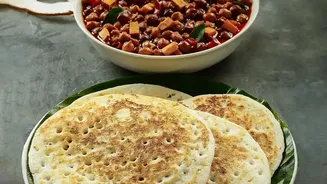
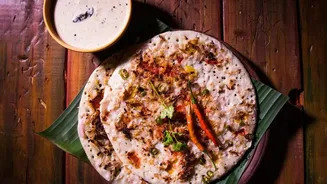
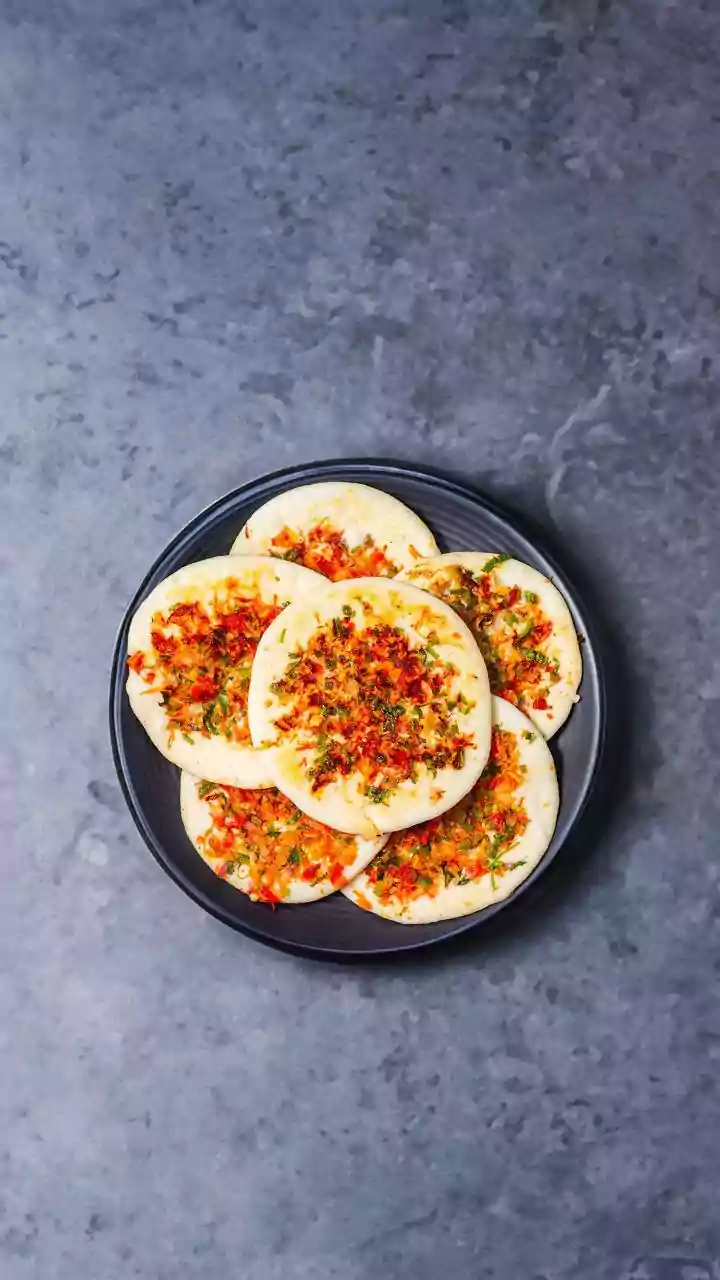
How these batters are cooked is just as important as what’s in them. Dosa is all about achieving a thin, crispy texture. The batter is spread wide and thin on a flat pan called a tawa and cooked quickly until golden and brittle. Uttapam, often called an 'Indian pancake', uses a similar flat tawa, but the approach is different. The batter is poured more thickly and not spread out, creating a soft, spongy base. It’s then often loaded with toppings like chopped onions, tomatoes, and chillies, which are pressed into the surface as it cooks. Appam requires a special, dedicated pan: a small, deep, curved wok called an 'appachatti'. The batter is poured into the center and the pan is swirled, causing the batter to coat the sides. This unique method creates appam's signature bowl shape, with a thick, soft, and spongy center that gradually becomes a thin, crispy, and lace-like edge.
The Result: Texture and Taste
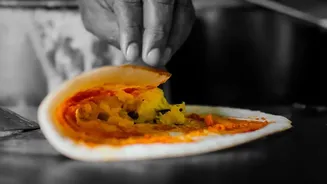
The differences in batter and cooking culminate in three distinct sensory experiences. A well-made dosa is large, crispy, and light, offering a satisfying crunch with a savory taste. It can be served plain or folded around a filling, most famously a spiced potato mixture to create a masala dosa. Uttapam is its softer, heartier cousin. It’s thick, fluffy, and tender, with the flavours of its vegetable toppings infused throughout, making it a more substantial meal on its own. Appam is perhaps the most unique of the three. The contrast between its pillowy, idli-like center and its paper-thin, dosa-like edges is its defining feature. The flavour is soft, delicate, and slightly sweet from the coconut and fermentation, making it a completely different experience from the savoury profiles of dosa and uttapam.
Perfect Pairings: The Finishing Touch
Finally, the traditional accompaniments highlight their individual characters. The crisp, savory nature of dosa makes it a perfect vehicle for dipping. It is almost always served with sambar (a lentil-based vegetable stew) and a variety of chutneys, most commonly coconut and tomato. Uttapam, with its built-in toppings, can be a meal in itself but is also frequently paired with the same chutneys and sambar. Appam, with its delicate sweetness and absorbent center, calls for something richer. It is famously paired with creamy, coconut milk-based stews. Popular choices include a fragrant vegetable stew, kadala curry (black chickpea curry), or savoury chicken, mutton, or egg curries that complement its subtle sweetness beautifully.