


More Than Just an Anniversary
World Space Week, an annual United Nations observance, celebrates the contributions of space science and technology to humanity. The dates are symbolic, marking two pivotal moments: the launch of Sputnik 1, the first man-made satellite, on October 4,
1957, and the entry into force of the Outer Space Treaty on October 10, 1967. This year’s theme, ‘Rocket Revolution’, highlights a massive shift in how we reach and use space—a shift in which India is a crucial player. It’s about celebrating how access to space is no longer limited to a handful of governments but is now being driven by private companies, startups, and new technologies like reusable rockets.
What is the ‘Rocket Revolution’?
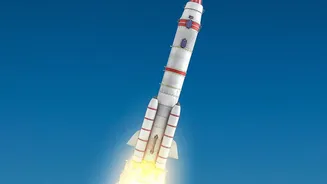
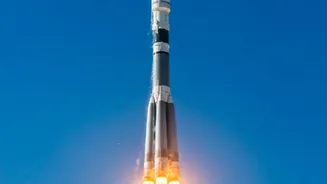
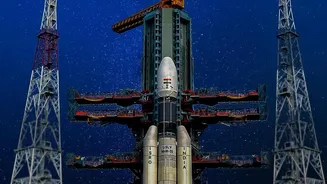
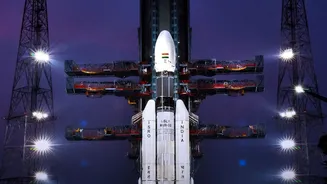
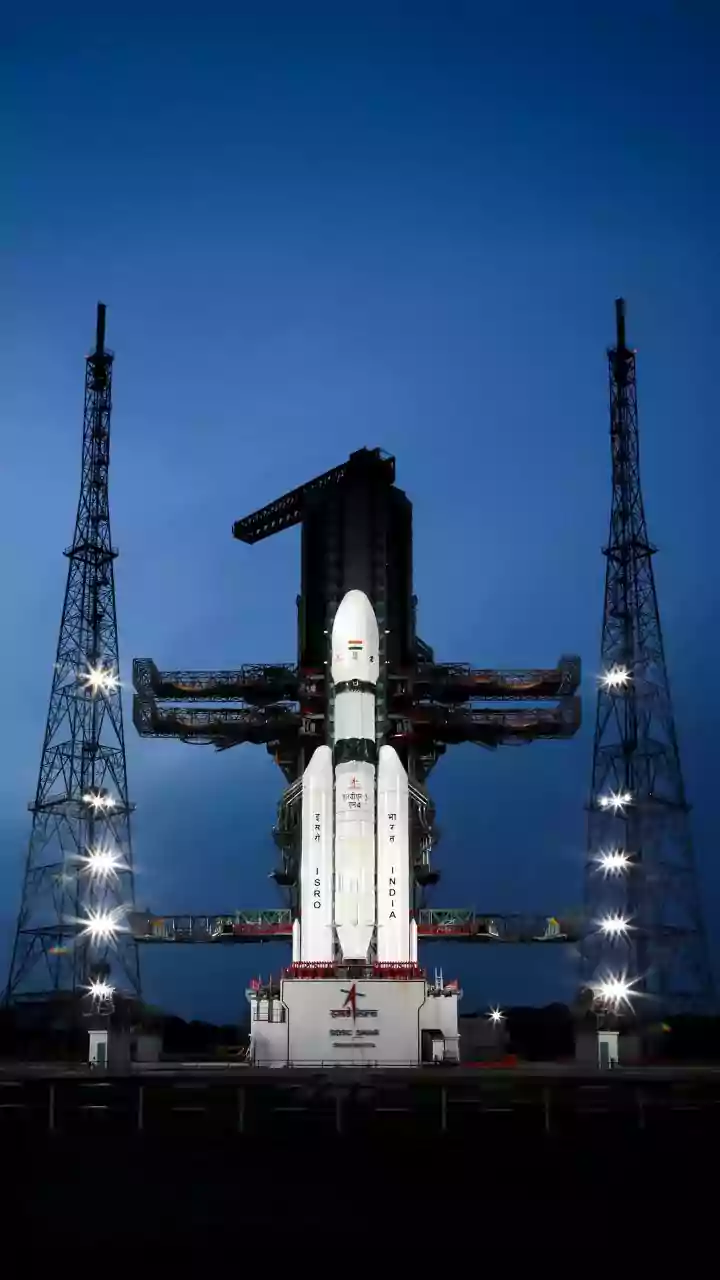
The ‘Rocket Revolution’ refers to the rapid transformation of the space launch industry. For decades, rockets were expensive, single-use machines built by government agencies. Today, the sector is experiencing an explosion of innovation. Commercial companies are developing reusable boosters that dramatically lower launch costs, while others are building smaller, more agile rockets designed to deploy constellations of satellites. This shift is making space more accessible and affordable than ever. In India, this revolution is not just a distant concept; it's a thriving reality, fueled by policy reforms and a new generation of entrepreneurs who are aiming for the stars.
India’s Private Space-Age Pioneers
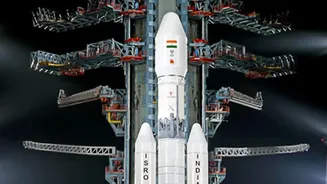
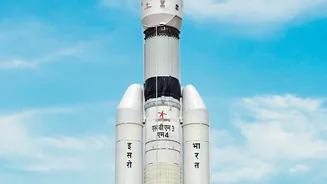
While the Indian Space Research Organisation (ISRO) remains the cornerstone of India’s space ambitions, the landscape is rapidly changing. The Indian government’s 2023 space policy has thrown open the doors for private participation, leading to a boom in space startups. Companies like Skyroot Aerospace, which launched India's first privately built rocket, and Agnikul Cosmos, known for its 3D-printed rocket engines, are at the forefront of this new era. These firms are not just building rockets; they are creating a competitive commercial space economy, targeting the growing market for small satellite launches and attracting significant venture capital. With over 400 space startups now active, India is quickly becoming a global hub for space enterprise.
From Rockets to Economic Growth
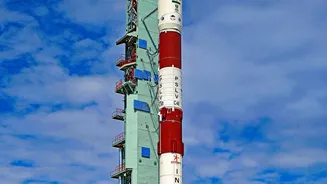
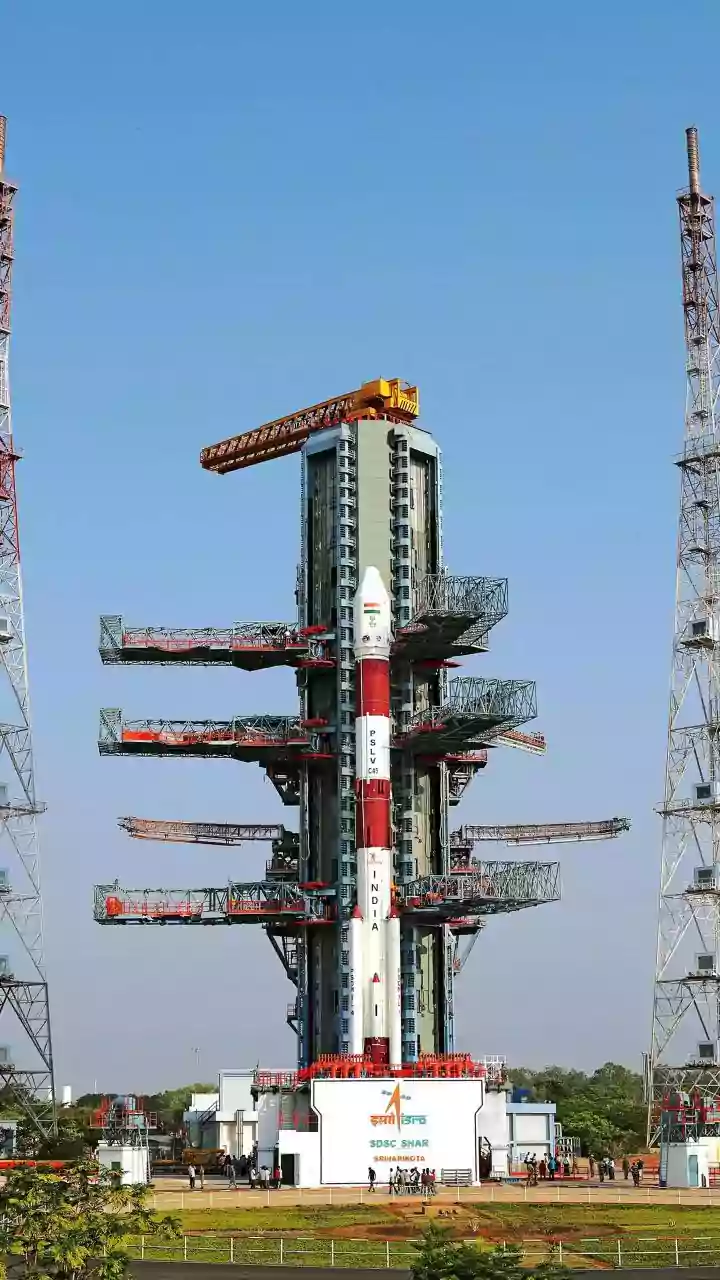
The rocket revolution is about more than just technological prowess; it's a powerful engine for economic growth. India's space economy, currently valued at around $8.4 billion, is projected to surge to over $40 billion by the early 2030s. This growth creates high-skilled jobs in engineering, manufacturing, data analytics, and more. As private companies like Skyroot and Agnikul scale up, they create demand across a wide supply chain, from precision engineering firms like MTAR Technologies to electronics suppliers. Furthermore, ISRO's transfer of technologies like the PSLV launch vehicle to private consortiums is fostering a robust public-private partnership model, ensuring the entire nation benefits from this burgeoning industry.
How Space Tech Touches Your Life
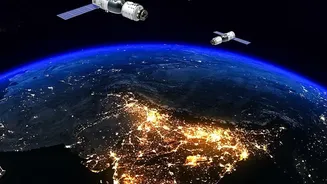
The benefits of this revolution aren't just confined to balance sheets. The technologies enabled by more frequent and cheaper rocket launches are woven into the fabric of our daily lives. Satellite-based services are fundamental to the navigation apps on your phone, accurate weather forecasts that protect farmers and fishermen, and disaster management systems that save lives during cyclones and floods. Remote sensing satellites help manage natural resources and plan urban infrastructure. The expansion of satellite constellations, made possible by this new generation of rockets, will further improve telecommunications, bringing better connectivity to remote corners of the country and powering the next wave of digital services.