


You Eat With Your Eyes First
It’s a cliché for a reason: our visual sense is the first to evaluate a meal, long before it ever touches our lips. This initial assessment doesn't just determine if something looks appealing; it can fundamentally alter our perception of its healthiness
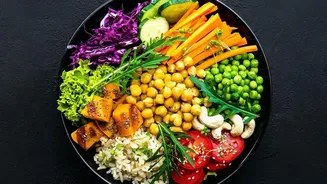
and even its nutritional content. Research has consistently shown that when a food is presented beautifully, we are more likely to believe it is healthier. This phenomenon, often called the 'pretty = healthy' bias, happens even when we are given identical nutritional information for both an 'ugly' and a 'pretty' version of the same dish. In one study, participants evaluated avocado toast. Even with the same ingredients and price, the neatly presented toast was rated as more natural and healthier than its messy counterpart. This suggests our brains create a 'health halo' around aesthetically pleasing food, making us think it's better for us in every way.
The Science of Classical Aesthetics
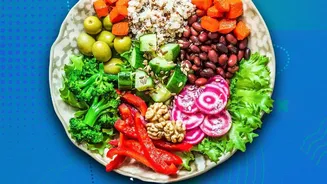
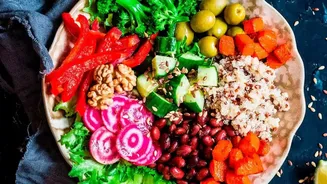
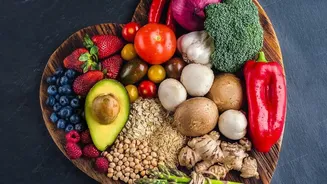
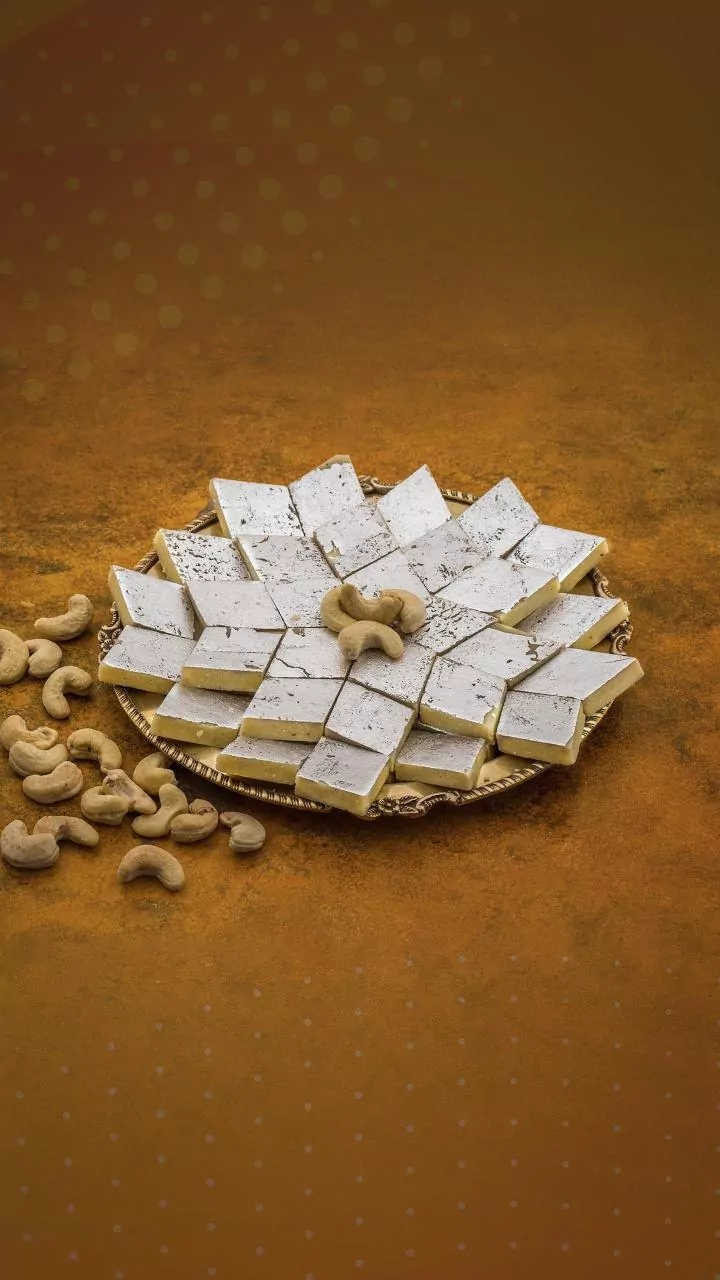
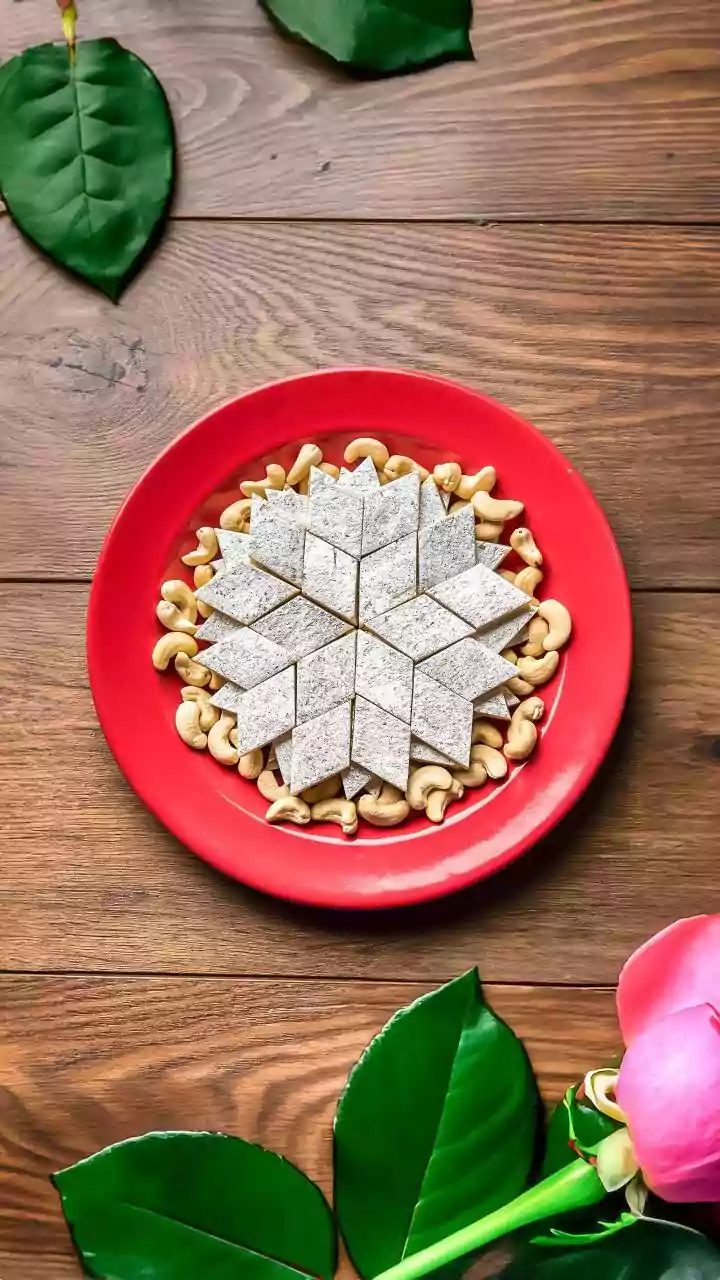
But why does our brain make this leap? The answer may lie in our innate appreciation for what researchers call 'classical aesthetics'—principles like symmetry, order, and systematic patterns. These are the visual patterns that are abundant in the natural world, from the symmetry of a butterfly's wings to the orderly structure of a honeycomb. Studies suggest that when food presentation mimics these nature-like features, we perceive the food as more 'natural'. This perception is powerful because many of us hold a deep-seated belief that 'natural equals healthy'. A perfectly round pizza with evenly spaced toppings or a salad with ingredients arranged in neat, orderly rows leverages this bias. This effect is so strong that it doesn't just make food look tastier; it specifically enhances its perceived healthfulness, leading people to believe it has fewer calories or more nutrients.
How Plating and Presentation Trick Us
Chefs and food marketers have long understood the power of visual appeal. Everything from the color and shape of the plate to the arrangement of the food is designed to influence your experience. For example, recent research from Japan found that a dish with sauce served separately on the side was perceived as significantly healthier than the exact same dish with the sauce drizzled over the top. Another study showed that salads arranged to imitate an abstract painting were rated as higher quality. The colour of the plate itself can also play a role; studies have shown that round, white plates can enhance sweet flavours, while angular, black plates can bring out savoury notes. These subtle cues manipulate our expectations and can lead us to make choices based not on nutritional fact, but on artful presentation. This can even impact our estimation of portion size and calories, as our brains are tricked into thinking a beautifully composed dish is more virtuous than it might actually be.
The Modern-Day Visual Feast
In the age of social media, we are bombarded with thousands of images of perfectly styled food every year. These platforms have become a digital buffet where every dish is presented in its most flattering light, amplifying the 'pretty = healthy' bias on a massive scale. When we see a vibrant, artfully constructed smoothie bowl on Instagram, our brain’s reward centre is activated, and the association with naturalness and health is instantly triggered. This constant exposure to idealized food imagery can make it harder to make objective dietary choices. Marketers know this well, employing food stylists to create flawless visuals that aren't just appetising but also implicitly signal healthfulness, whether it's deserved or not. The result is that we may be more willing to choose and even pay more for a product that looks good, regardless of its actual ingredients.
How to Be a Smarter Eater
Understanding this psychological bias is the first step toward overcoming it. While there’s nothing wrong with appreciating a beautiful meal, it's important to separate the art from the nutrition. When making food choices, try to look past the perfect presentation. Pay attention to the ingredient list and the actual nutritional information rather than the enticing photo on the package or menu. Some research suggests that simple reminders that a food's appearance has been artificially modified can help break the spell. Another strategy is to practice mindful eating. By slowing down and engaging all your senses, you can better appreciate the food for what it is, not just what it looks like. This conscious approach helps you focus on genuine hunger cues and the food's actual properties, making you less susceptible to being swayed by a pretty picture.