






Rethinking the Buffet
The sprawling, multi-cuisine buffet is a cornerstone of many large celebrations, but it is also a primary source of waste, with caterers often over-preparing by 10-15% to ensure nothing runs out. Modern couples are opting for smarter alternatives. Plated
dinners, once seen as a Western concept, are gaining popularity for larger gatherings. They offer precise portion control, which dramatically reduces the amount of uneaten food. For smaller weddings of under 75 guests, a plated meal can even be more economical than a buffet once food waste is factored in. This approach not only minimises waste but adds a touch of formal elegance to the proceedings.
The Rise of Interactive Food Stations
A major trend for 2026 is the move towards interactive, chef-led food stations. Think live pasta bars, made-to-order taco stands, or fresh dosa counters. Instead of preparing vast quantities of food in advance, dishes are cooked fresh for guests as they order. This format serves multiple purposes: it provides entertainment, encourages guests to mingle, and, most importantly, ensures that food is cooked to demand, slashing waste from overproduction. It allows for the variety of a buffet but with the waste-reduction benefits of cooking in real-time.
Get an Accurate Headcount
One of the simplest yet most effective ways to reduce food waste is to have a precise guest count. Inaccurate estimates are a major reason caterers overprepare. While last-minute additions are a reality of Indian weddings, using digital RSVP tools and making polite follow-up calls can provide a much clearer picture of attendance. Communicating these numbers accurately to your caterer allows them to plan portions and procurement more effectively, preventing mountains of excess food at the end of the night.
Choose a Sustainable Caterer
Couples are increasingly seeking out caterers with established sustainability practices. When vetting potential partners, ask about their approach to food waste. Do they focus on sourcing local, seasonal ingredients to reduce their carbon footprint? Do they have systems for portion control? Many progressive caterers already have relationships with food donation organisations and can manage the process for you, ensuring that any safe, untouched leftovers are handled hygienically and distributed to those in need. A caterer who is already committed to sustainability can be your greatest asset in planning a low-waste event.
Plan for Purposeful Donations
Despite the best planning, some leftover food is inevitable. The key is to have a plan for it. A number of NGOs across India specialise in collecting excess food from events and distributing it to the hungry. Organisations like Zomato Feeding India and the Robin Hood Army operate in multiple cities and have streamlined processes for collecting food safely from wedding venues. To make this work, you must plan ahead. Inform your caterer and venue of your intention to donate and coordinate with the chosen NGO on logistics, such as pick-up times and the types of containers required. Some organisations will even provide volunteers to manage the collection process.
Get Creative with Leftovers
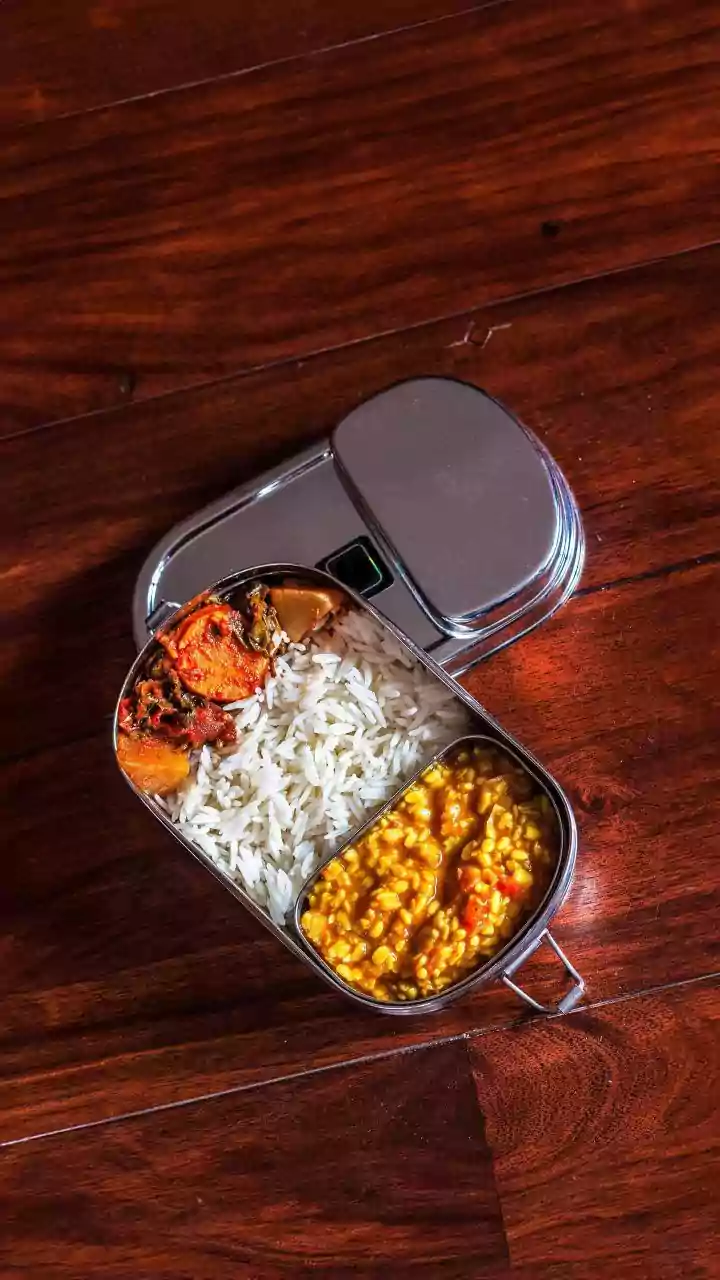
Another clever trend is to incorporate leftovers into the wedding festivities themselves. If you have multiple days of events, consider repurposing untouched dishes from the wedding reception for a more casual post-wedding brunch or lunch the next day. This requires coordination with your caterer to ensure food is stored safely and correctly, but it's an elegant way to honour the resources used and give your guests another delightful culinary experience. This approach not only prevents waste but also offers a cost-effective way to host an additional event.