





A Kitchen Unlike Any Other
The Potu is not just a kitchen; it is a sacred space of immense scale and activity, located within the temple's Sampangi Pradakshinam area. This is where devotion meets divine cookery. For centuries, this kitchen has been the exclusive production site
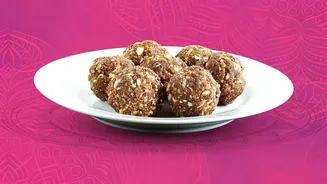
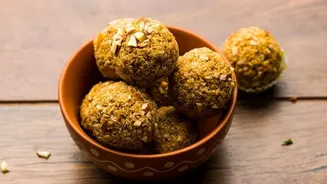
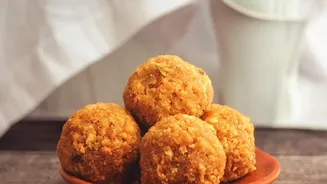
for the laddu, a sweet so unique it was granted a Geographical Indication (GI) tag in 2009. This tag ensures that no one outside the Tirumala Tirupati Devasthanams (TTD) can create or sell a sweet under this name, protecting its sanctity. The air inside is thick with the aroma of roasting gram flour, melting ghee, and fragrant cardamom, a sensory signature of the tireless work happening within.
The Symphony of Scale
The numbers behind the Tirupati laddu are staggering. On an average day, the Potu produces hundreds of thousands of laddus, with capacity reaching up to 800,000 to meet the constant demand from visiting pilgrims. This monumental task is carried out by a dedicated workforce of around 620 people, including 270 highly skilled cooks known as 'pachakas' or 'potu karmikulu'. The daily consumption of ingredients reads like a national stockpile: approximately 10 tonnes of gram flour, 10 tonnes of sugar, 700 kg of cashew nuts, 150 kg of cardamom, and between 300 to 500 litres of pure ghee are used every single day.
A Recipe Steeped in History
The tradition of offering a sweet prasad at Tirumala began on August 2, 1715. The original offering, known as 'Manoharam', was different from the spherical laddu known today. The recipe and form evolved over centuries, with the current version being standardised around 1940. The strict list of ingredients and their precise proportions is known as the 'Dittam', a formula that has been modified only a handful of times in its history to accommodate rising demand while preserving its revered taste. This historical continuity ensures that every devotee receives a prasad that is consistent in its divine flavour.
Modernising a Sacred Tradition
While the recipe remains timeless, the Potu has embraced modernity to keep pace with the millions of devotees. The use of firewood for cooking was replaced by LPG in 1984. More recently, the kitchen has been equipped with conveyor belts to transport ingredients and finished laddus, streamlining the logistics of this massive operation. The TTD has also embarked on ambitious projects to further automate parts of the process, using machinery from Germany and Switzerland to enhance hygiene and scale up production to potentially 6 lakh laddus a day, without compromising the manual touch that gives the laddu its final, sacred form.
More Than Just a Sweet
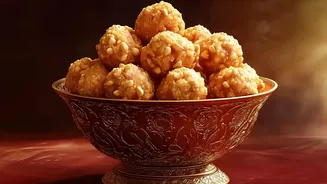
The Tirupati laddu is not merely a food item; it is 'naivedyam', a sacred food offering made to Lord Venkateswara before it is distributed. For pilgrims, consuming the laddu is an act of partaking in a divine blessing, a tangible connection to the deity. There are different varieties, including the standard 'Proktam Laddu' given to all pilgrims, and the larger 'Asthanam Laddu' prepared for special festivals. Each laddu represents the culmination of a process involving immense faith, skilled labour, and a tradition that has been passed down for over 300 years, making it an inseparable part of the Tirumala experience.