





The Secret Science of Fruit Ripening
The magic behind this common kitchen hack is a completely natural and invisible force: ethylene gas. Ethylene is a plant hormone that plays a crucial role in the lifecycle of many fruits. Think of it as a chemical signal that tells a fruit it's time to
mature. This process involves a series of changes, such as the conversion of starches into sugars (making the fruit sweeter), the softening of cell walls (making it more tender), and the development of its characteristic colour and aroma. Fruits are generally classified into two main groups based on their relationship with ethylene. Climacteric fruits are those that can continue to ripen after being picked. They experience a dramatic increase in both respiration and ethylene production as they mature. Non-climacteric fruits, on the other hand, do not ripen further once harvested and produce very little ethylene. This distinction is key to understanding how to manage your fruit at home.
Meet the High-Ethylene Producers
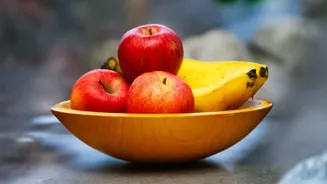
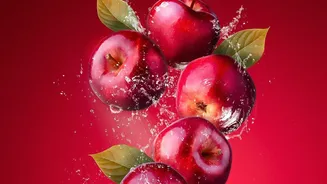
Some fruits are known for being particularly generous producers of ethylene gas. Apples are one of the most well-known examples, but the list also includes pears, peaches, cantaloupes, avocados, and ripe bananas themselves. These fruits release ethylene into the surrounding air, which can then influence other produce nearby. This is why the headline rings true, though it's a two-way street; while an apple can speed up a banana's ripening, a ripe banana is also a powerful ethylene source that can ripen other fruits like apples or avocados. This ability is why commercial growers often harvest these fruits when they are mature but still firm and under-ripe. They can then be transported long distances without getting damaged and exposed to ethylene later to trigger controlled ripening just before they reach the grocery store.
How to Put Ethylene to Work
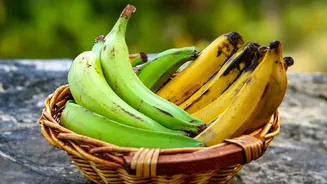
If you have a rock-hard avocado or a stubbornly green banana, you can harness the power of ethylene to your advantage. The most effective home method is the paper bag trick. By placing an unripe fruit inside a loosely closed paper bag, you trap the ethylene it naturally produces, concentrating the gas and accelerating the ripening process. To give it a serious boost, add a high-ethylene producer like an apple or a ripe banana to the bag. This introduces an external source of the ripening hormone, significantly speeding things up. It’s important to use a paper bag rather than a plastic one. Paper allows for some air circulation, which helps prevent the buildup of excess moisture that can lead to mould.
Slowing Things Down: The Art of Separation
Of course, this ripening power can also have a downside. The same ethylene gas that turns your avocado creamy can also cause your other produce to spoil prematurely. Ethylene-sensitive produce can suffer from exposure to high-ethylene fruits. For example, it can cause carrots to become bitter, lettuce and other leafy greens to turn yellow and limp, and broccoli to yellow. To extend the life of your groceries, the simple solution is strategic separation. Keep your high-ethylene producers like apples, ripe bananas, and pears away from ethylene-sensitive items. This might mean storing them in different bowls on your counter or in separate crisper drawers in your refrigerator. Unripe bananas are actually ethylene-sensitive, which is why placing them next to an apple works so well. But once they're ripe, they become producers and should be moved away from sensitive items you want to keep fresh.