




The Allure of Walking in Reverse
Fitness experts and physical therapists are increasingly recommending reverse walking for several compelling reasons. Unlike forward motion, walking backward activates different muscle groups, particularly the quadriceps, calves, and glutes, in new ways.
This can help build balanced strength across your lower body. The motion also tends to put less stress on the knee joints, making it an appealing low-impact option for individuals with knee pain or those recovering from certain injuries. Studies and experts suggest that retro-walking can enhance posture by engaging core muscles and promoting a more upright stance. Beyond the physical, the practice challenges the brain. Because you can’t see where you’re going, your body must rely more on proprioception—its sense of position in space—which can improve overall balance and coordination with practice. Some evidence even points to cognitive benefits, like sharper short-term memory.
Why It's a Challenge for Your Balance System
The very things that make reverse walking beneficial also make it inherently risky. Our bodies are accustomed to forward momentum, using visual cues to navigate and maintain stability. When you walk backward, you remove this primary source of information. Your brain is forced to work harder, relying on signals from the inner ear's vestibular system and sensory feedback from your feet and joints. For a healthy person, this challenge is what builds better balance over time. However, for someone whose balance system is already compromised, this sensory disruption can be disorienting and dangerous. The act of reaching a leg back into unseen space, followed by a toe-to-heel weight shift instead of the typical heel-to-toe motion, is an unfamiliar sequence that significantly increases the immediate risk of a misstep or fall.
Red Flags for Dizziness and Balance Disorders
For individuals with specific health conditions, the risks of reverse walking can outweigh the rewards. Those who experience vertigo, a spinning sensation often caused by inner ear issues like Benign Paroxysmal Positional Vertigo (BPPV), can find their symptoms triggered or worsened by the unfamiliar motion. The vestibular system, which governs our sense of balance, is already affected in these individuals, and removing visual cues while moving backward can lead to severe disorientation and falls. Similarly, people with neurological conditions that affect balance, such as peripheral neuropathy (nerve damage in the legs) or a history of stroke, should exercise extreme caution. These conditions can impair the body's ability to sense its position, making an already tricky exercise exceptionally hazardous. One report highlighted cases of severe, fall-related injuries in rehabilitation patients attempting the exercise without proper safeguards.
A Safer Approach to Trying the Trend
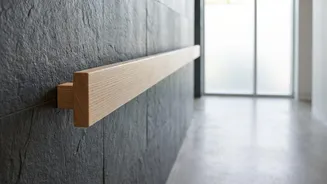
If you are generally healthy but new to the practice, or if you have only minor stability concerns, a cautious approach is essential. Start in a safe, controlled environment, such as a clear hallway or on a treadmill with handrails for support. Begin slowly and for short durations, perhaps just for a few minutes as part of a warm-up. Focus on your posture, keeping your back straight. It can be helpful to have a spotter or to walk alongside a wall, using a light touch for added stability. As you get more comfortable, you can gradually increase your speed and duration. The key is to never push through feelings of dizziness or unsteadiness. Listen to your body and stop if you feel unsafe.
Alternatives for Better Balance
If reverse walking proves too risky for you, there are many other excellent exercises that can help improve balance and strength without the same level of fall risk. Tai Chi is a highly recommended practice known for its slow, deliberate movements that enhance stability and body awareness. Water aerobics provides a buoyant environment that supports the body and removes the fear of falling, allowing you to build strength safely. Stationary cycling and strength training that targets the legs and core can also build the foundational muscle needed for good balance. For those with vestibular issues, specific exercises prescribed by a vestibular physical therapist can help the brain adapt and reduce dizziness over time.