




Beyond the Metros: A Rural and Tier-2 Surge
For years, the narrative of India's car market was centred around a handful of major metropolitan areas. Today, that story is being rewritten in the country's smaller towns and rural heartland. Recent data shows that demand from non-metro regions is significantly
outpacing urban centres. For instance, passenger vehicle registrations in rural markets have shown stronger growth compared to their urban counterparts, indicating a fundamental geographic shift. This surge is powered by rising disposable incomes, improved agricultural yields, and better infrastructure connecting smaller towns. Automakers are taking note, recognising that the next wave of growth is coming from 'Bharat' and are adapting their strategies to reach these new customers.
The First-Time Buyer Makes a Comeback
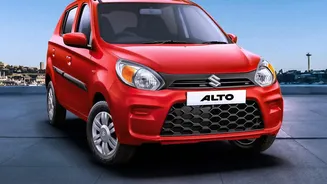
A key driver of this market expansion is the return of the first-time buyer. This group, which had seen its share decline, is now making a strong comeback. Reports from major manufacturers like Maruti Suzuki show that first-time buyers now account for a significant majority of their sales, a notable increase from previous periods. This resurgence is partly thanks to lower tax structures on entry-level vehicles, which has revived demand for smaller, more affordable cars. These buyers are often younger professionals and families for whom a car represents a major life upgrade, offering new levels of freedom and convenience. Easier access to financing has also made vehicle ownership more attainable for a wider audience.
SUVs: The Aspirational Choice
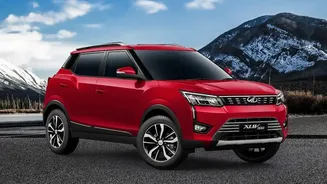
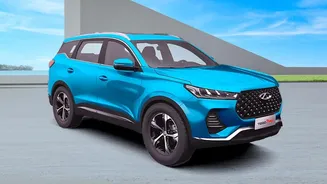
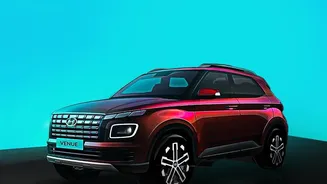
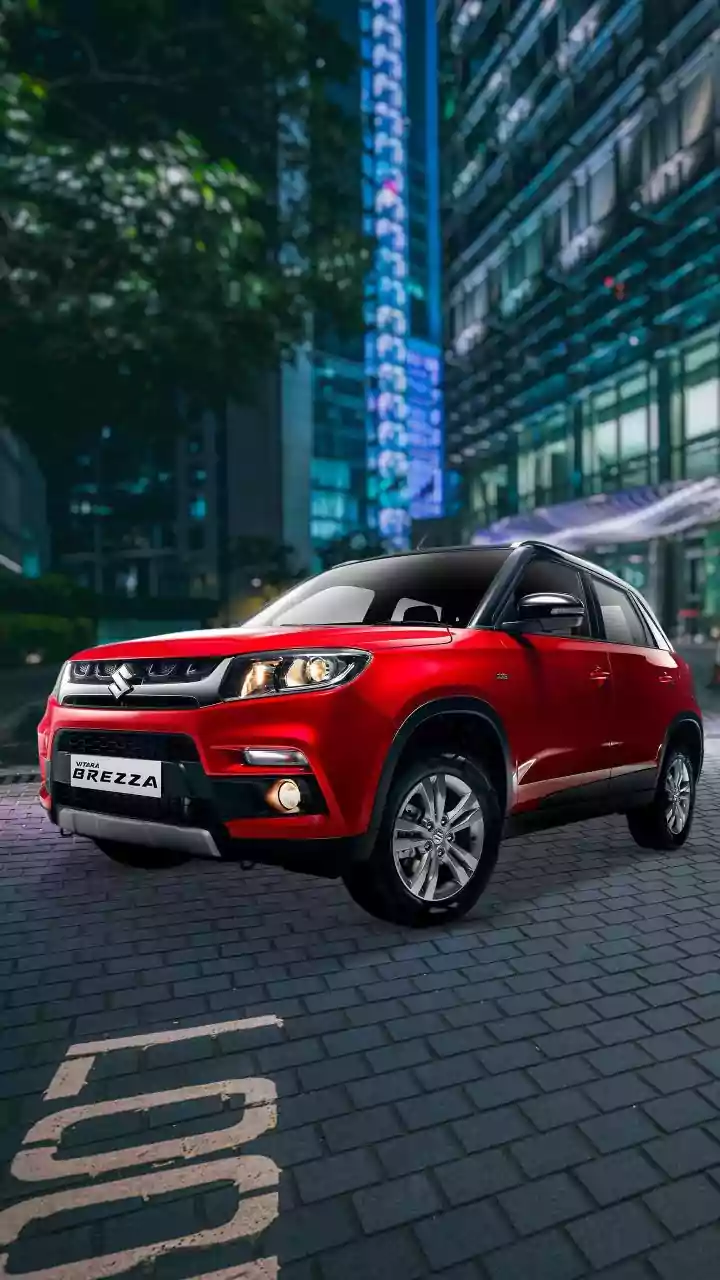
While affordability is driving many into the market, aspiration is shaping what they choose to buy. The sport utility vehicle (SUV) has become the vehicle of choice for a vast number of new and existing customers alike. SUVs now account for over half of all new passenger vehicle sales in India. Their popularity extends across segments, from compact models ideal for city traffic to larger, seven-seater options for joint families. The appeal lies in their commanding road presence, higher ground clearance suited for varied Indian roads, and spacious, feature-rich interiors. This trend towards premiumisation is visible even among first-time buyers, who are increasingly stretching their budgets for an SUV over a traditional hatchback or sedan.
Economic and Policy Tailwinds
Several underlying factors are fuelling this boom. Stable economic growth and a healthy GDP have boosted consumer confidence and disposable incomes. Government initiatives, including significant investment in national highways and rural roads, have made car ownership more practical across the country. Furthermore, policy changes like GST rationalisation have helped make vehicles more affordable, injecting fresh momentum into the market. Financial institutions have also played a crucial role by offering attractive loan packages with flexible tenures, breaking down one of the biggest barriers to entry for new buyers.
How the Industry is Responding
Car manufacturers are actively retooling their strategies to cater to this evolving customer base. This involves more than just launching new models. Companies are expanding their dealership networks into Tier-2 and Tier-3 cities and creating sales and service ecosystems that were previously concentrated in metros. There is a clear focus on products that meet the specific needs of these new buyers, from fuel-efficient entry-level cars and CNG variants to a wide array of SUVs at different price points. Even the luxury market is seeing a shift, with brands expanding their reach beyond traditional hubs to tap into a new class of affluent buyers in smaller cities.