

Reine, Norway: The Arctic Fishing Village
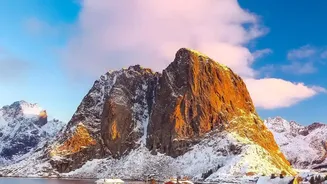
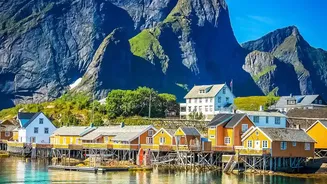
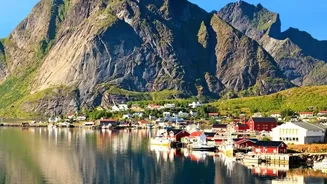
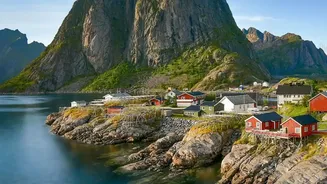
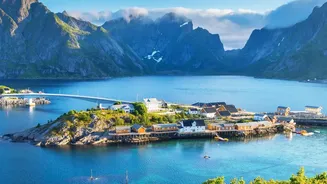
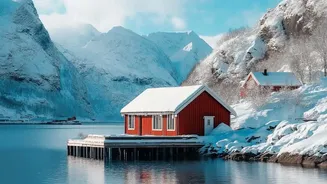
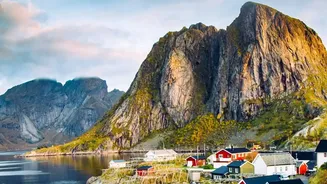
Tucked away in the spectacular Lofoten Islands, Reine is the definition of a postcard-perfect fishing village. Consisting of a cluster of small islands connected by bridges, the town is a collection of traditional red fishermen's cabins (rorbuer) set
against a backdrop of granite peaks that plunge straight into the sea. It has been called one of the most beautiful villages in the world, and for good reason. This isn't just a pretty face; Reine is an active fishing village, especially during the winter cod season. From here, you can kayak in the serene Reinefjord, hike the challenging but rewarding Reinebringen trail for an iconic overview of the islands, or simply enjoy a fish burger while watching the boats come and go. It’s a place where the drama of the Arctic landscape is part of daily life.
Visby, Sweden: The Medieval Walled Town
Stepping into Visby, on the island of Gotland, is like entering a storybook. A UNESCO World Heritage site, it's the best-preserved medieval Hanseatic trading town in Scandinavia. A magnificent 3.4-kilometer stone wall still encircles the old town, its winding cobblestone streets lined with over 200 medieval buildings and charming, rose-covered cottages. Beyond its rich Viking and Hanseatic history, which you can explore at the Gotland Museum, Visby offers a unique connection to the island's landscape. Walk along the top of the city wall for stunning sea views, explore the nearby coast, or venture further to see the famous 'rauks'—towering limestone sea stacks sculpted by nature. Visby proves that history and nature can be a powerful combination.
Porvoo, Finland: The Riverside Arts Haven
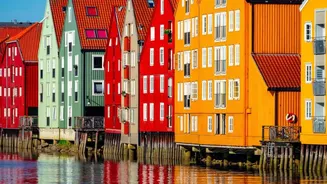
Just a short trip from Helsinki, Porvoo feels like a world away. It is one of Finland’s oldest medieval towns, most famous for its iconic red-ochre riverside warehouses that line the Porvoo River. The Old Town (Vanha Porvoo) is a delightful maze of cobbled streets, colourful wooden houses, quirky boutiques, and cosy cafés. But Porvoo's charm also lies in its connection to the surrounding nature. The town is enveloped by a National Urban Park that stretches along the river valley, offering peaceful walking trails. You can explore the nearby archipelago by boat in the summer or hike through the forests. The town is a hub for artists and food lovers, with award-winning restaurants making it a destination in itself.
Ærøskøbing, Denmark: The Fairy-Tale Island Town
Often called Denmark's 'Fairy-Tale Town', Ærøskøbing on the island of Ærø is a beautifully preserved 18th-century village. Life here moves at a slower pace. The narrow cobblestone streets are lined with colourful, half-timbered houses, many with roses climbing their walls. The town's water pumps were in use until 1952, adding to its time-capsule feel. The harbour is the soul of the town, filled with small fishing boats and the scent of the sea. But the town is also a gateway to the gentle landscapes of Ærø island. Rent a bike to explore rolling hills, quiet country roads, and visit Vesterstrand, a beach famous for its brightly painted bathing huts. Ærøskøbing is a reminder that a landscape doesn't have to be mountainous to be breathtaking.
Vík í Mýrdal, Iceland: The Village on the Edge
Vík, Iceland's southernmost village, is defined by the raw, powerful nature that surrounds it. With a population of only around 300 people, this small community sits against one of the most dramatic backdrops imaginable. It is the gateway to the world-famous Reynisfjara black sand beach, known for its otherworldly basalt columns and the Reynisdrangar sea stacks that rise menacingly from the Atlantic. The village itself is charming, with its red-roofed church perched on a hill offering a panoramic view of the coast and the sea. While here, you can explore the Dyrhólaey peninsula, a nature reserve and puffin nesting site in summer, or simply stand on the beach and feel the immense power of the North Atlantic. Vík is less a town you visit and more a force of nature you experience.