




A Record-Breaking Quarter
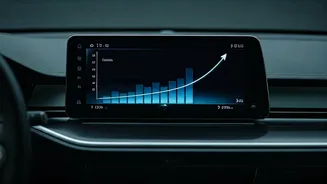
The signal from the April-June 2026 period is loud and clear: explosive growth. Electric passenger vehicle registrations in India surged by nearly 90% year-on-year, reaching a total of 82,737 units. This wasn't a slow burn; the momentum built steadily,
with monthly sales climbing from just under 25,000 in April to over 30,000 in June for the first time ever. This impressive performance indicates that electric cars are moving beyond early adopters and becoming a mainstream consideration for Indian families. Industry executives point to improved ownership economics, especially in the face of fluctuating fuel prices, as a key driver for this surge. The entire first half of 2026 saw nearly 1.5 lakh electric cars registered, setting the stage for the market to potentially cross 3 lakh units for the full year.
The Leaders and the Challengers
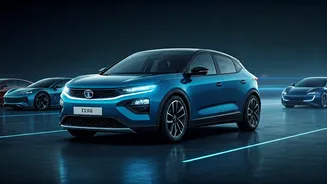
While the market is growing, the competitive landscape is also becoming more dynamic. Tata Motors continues to be the dominant force, more than doubling its EV registrations to 32,283 units for the quarter and maintaining its leadership. However, the big story is the rise of the challengers. Mahindra & Mahindra has firmly established itself in the number two spot, nearly doubling its own registrations to over 20,000 units. This has turned the market into a more competitive arena than ever before. JSW MG Motor held its ground in third place. Meanwhile, new players are making their presence felt. Maruti Suzuki, a titan of the internal combustion engine world, made an immediate impact with its first electric model, registering nearly 4,900 units in the quarter. New entrant VinFast also recorded nearly 4,000 registrations, adding to the increasingly crowded field. The only major player to see a decline was Hyundai, whose EV registrations fell during the quarter.
Two-Wheelers Accelerate Growth
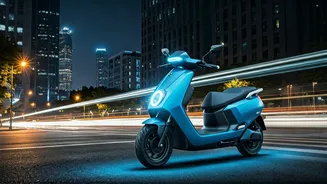
The story of India's EV adoption isn't just about cars. The electric two-wheeler segment is also showing remarkable strength. Ola Electric, a key player in this space, reported that its registrations for the April-June quarter nearly doubled compared to the previous quarter, totaling over 43,700 units. The company saw its strongest monthly performance in recent times in June, with over 16,000 registrations. This sequential growth, at a time when the overall market can be volatile, suggests that operational improvements and sustained consumer demand are creating a stable growth trajectory. The company attributes this success to better retail execution and a strong product portfolio that continues to attract customers looking for alternatives to petrol-powered scooters.
Policy as a Powerful Accelerator
This market momentum isn't happening in a vacuum. Policy decisions are playing a crucial role. Just as the quarter was ending, the Delhi government approved its new EV Policy 2026, which is set to be one of the most ambitious in the country. Effective from July 1, 2026, the policy aims for 30% of the capital's vehicle fleet to be electric by 2030, backed by a massive ₹15,000 crore investment. The policy includes significant purchase incentives, full exemption on road tax and registration fees for many EVs, and plans for 30,000 new charging points. Most notably, it sets clear deadlines to phase out new registrations for petrol and CNG two-wheelers and three-wheelers, creating a definitive timeline for the transition. Such strong policy action from a major market like Delhi is expected to create a ripple effect across the country.
More Choices, More Buyers
Ultimately, the growth is being fueled by expanding consumer choice. According to reports, the number of electric passenger vehicle models available in India has doubled to around 20 in the last two years and is projected to exceed 35 by the next fiscal year. A significant number of these new launches are concentrated in the sub-₹15 lakh segment, making EVs more accessible to a wider audience. This, combined with advancements in battery technology that are pushing driving ranges to 300-450 kilometres for mid-range models, is effectively addressing long-standing consumer concerns about price and range anxiety. As more trusted brands enter the market with compelling products, buyer confidence is strengthening, accelerating the shift to electric mobility.