

What Exactly Is Stone Balancing?
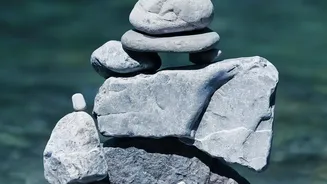
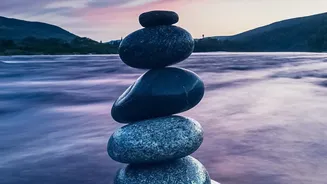
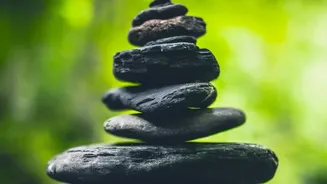
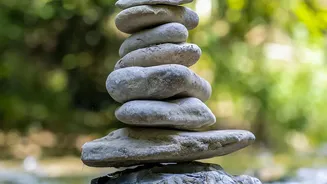
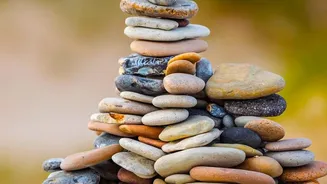
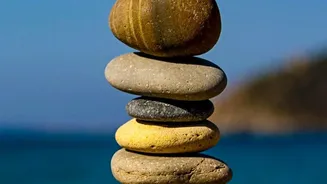
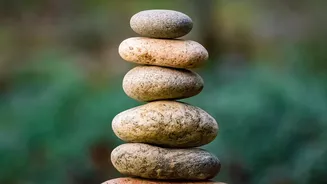
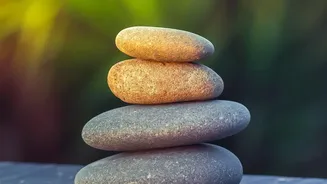
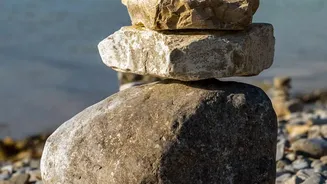
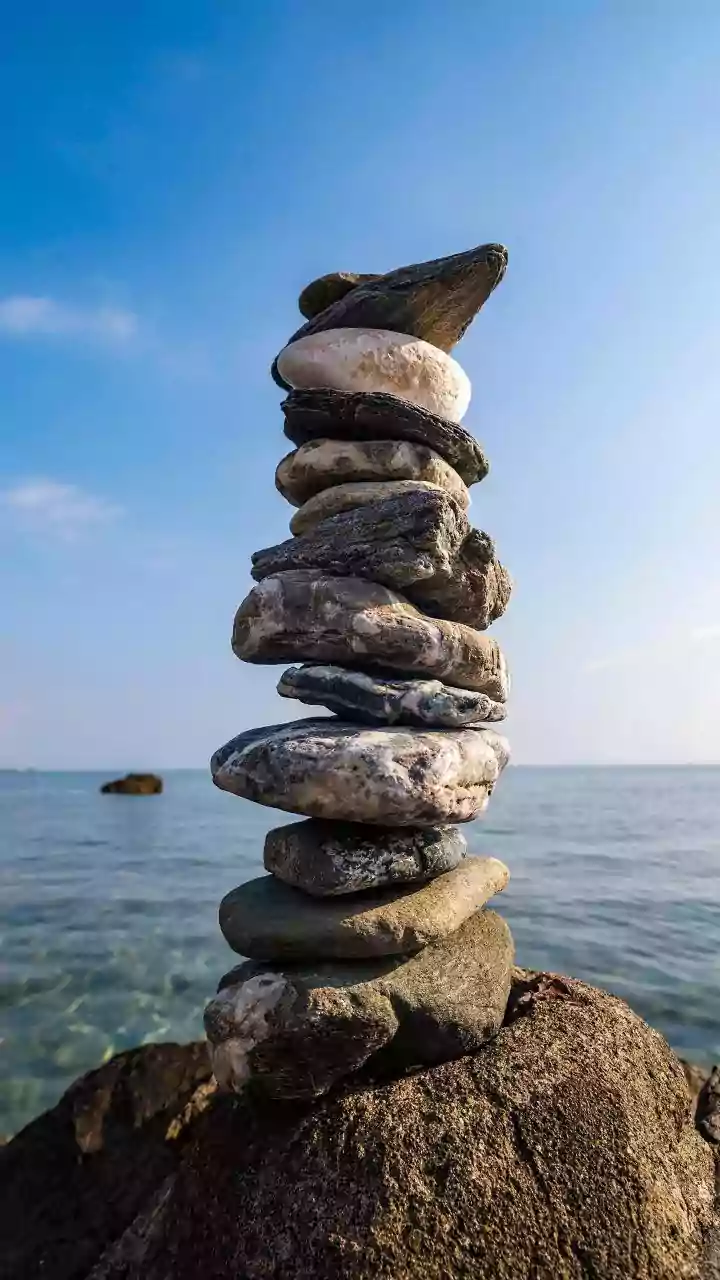
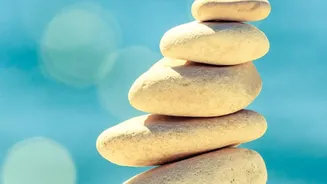
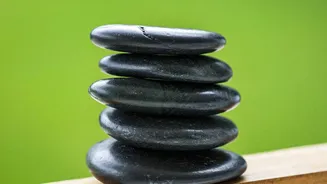
At its core, stone balancing is the art of stacking rocks in arrangements that seem to defy gravity, using nothing but patience and the stones themselves. There are no hidden wires, glues, or supports involved. It is a raw, physical dialogue between you,
the stones, and the force of gravity. The objective is to find the natural balance point of each rock, a task that requires feeling for tiny indentations and contact points to create a stable, temporary structure. This practice transforms a simple outdoor space—be it a riverbank, a quiet park, or a beach—into a place of creativity and intense presence. While gaining popularity in India as a niche art form, its roots are ancient and universal.
A Workout for a Distracted Mind
The primary benefit that draws people to stone balancing is its profound effect on mental focus. In our daily lives, our attention is constantly fragmented. Stone balancing demands the opposite. To find that fleeting point of equilibrium, you must pour your entire awareness into the task at hand. Distractions simply fall away as you concentrate on the feel of the rock and the subtle shifts in weight. This intense focus is a form of active meditation; you are so absorbed in the present moment that the mind's usual chatter quiets down. Practitioners report that this state of deep concentration can linger, improving their ability to focus on other tasks in life long after the stones have been returned to their place.
The Physical Side of Stillness
While it appears to be an act of stillness, stone balancing is also a remarkable activity for enhancing physical coordination. The delicate process requires precise, controlled movements and exceptional hand-eye coordination. You develop a heightened sense of your body's position in space as you make minute adjustments to achieve balance. This fine-tunes motor skills and dexterity. Each placement is a lesson in physics and proprioception—your intuitive sense of your body's movement and position. Over time, this practice cultivates a steadier hand and a greater awareness of the physical self, skills beneficial in everything from sports to everyday tasks.
An Art Form of Impermanence
Unlike other art forms, stone balancing celebrates impermanence. A sculpture that took an hour of intense focus to create can be brought down by a gust of wind or a passing ripple in the water. This teaches a powerful lesson in letting go. Many artists, like Pune-based Gautam Vaishnav, intentionally dismantle their creations as a sign of respect for the environment, leaving no trace behind. This act of creating something beautiful and then releasing it is a core part of the philosophy. It serves as a reminder that the value lies in the process—the focus, the patience, the connection—rather than in the final, permanent product. This philosophy resonates deeply in a culture like India's, where art has often been a spiritual practice celebrating transience.
How to Begin Your Balancing Journey
Getting started is incredibly simple and requires no special equipment. Find a quiet spot with a variety of stones. Beginners should start small, perhaps by trying to balance just one or two rocks. The key is patience. Feel the stones, notice their unique shapes, textures, and weight. Try to find small depressions or points on a base rock to act as a foundation. Gently move the rock you are balancing, feeling for the point where it becomes stable and seems to 'click' into place. Don't get frustrated if it falls; practitioners see this as part of the game. The goal isn't to create a masterpiece on your first try, but to slow down, breathe, and connect with the process.