

The Countertop Champions: Tomatoes
If you learn only one thing, let it be this: never refrigerate an unripe tomato. The cold temperature is a permanent flavour killer. It breaks down the delicate cell membranes within the fruit, resulting in a mealy, mushy texture. More importantly, the chill
halts the enzymes that are responsible for creating the complex, tangy, and sweet notes that define a delicious tomato. Storing them on the counter at room temperature allows them to ripen fully and develop their best taste. The exception comes when a tomato is perfectly ripe and you need to buy a few extra days. Moving it to the fridge will slow down decay, but be prepared for a sacrifice in flavour; these refrigerated tomatoes are best used in cooking rather than eaten fresh.
The Ripening Game: Avocados, Bananas, and Stone Fruit
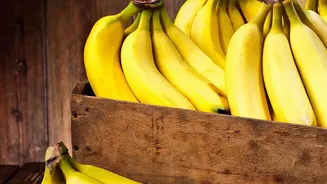
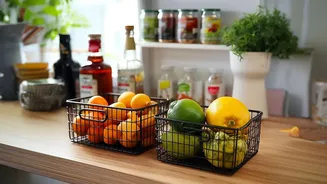
For fruits like avocados, bananas, peaches, and plums, the counter is a ripening stage, not a final destination. Refrigeration essentially pauses the ripening process. An unripe, hard avocado placed in the fridge will remain a hard avocado. The best strategy is to let these fruits ripen on the counter. Once they reach your desired level of softness and aroma, you can then move them to the refrigerator. This move acts as a pause button, giving you several extra days to enjoy them at their peak before they become overripe. A ripe banana's peel may darken in the fridge, but the fruit inside will remain good for a bit longer. This makes the fridge a strategic tool based on your intended use.
The Pantry Staples: Potatoes, Onions, and Garlic
These root vegetables and alliums thrive in a cool, dark, and dry environment with good air circulation—conditions the refrigerator simply cannot provide. The fridge is too cold for potatoes, triggering a process called “cold-induced sweetening” where the starches convert to sugar, resulting in a gritty texture and off-flavour when cooked. For onions and garlic, the humid environment of the fridge encourages them to sprout and develop mould. A crucial rule is to store potatoes and onions separately. Onions release ethylene gas, which acts as a ripening agent and will cause nearby potatoes to sprout and spoil much faster.
The Bakery Aisle: Why Bread Hates the Cold
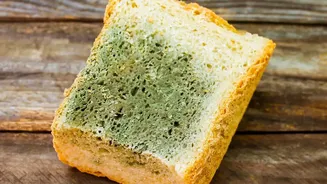
It feels counterintuitive, but storing bread in the refrigerator makes it go stale faster. Staleness isn't about moisture loss; it's a chemical process called starch retrogradation, where starch molecules recrystallize and harden. This process happens most rapidly at cool, above-freezing temperatures—exactly like those in a fridge. For short-term storage (a few days), bread is best kept in a bread box or paper bag at room temperature. For long-term storage, the freezer is your best friend. Freezing almost completely halts the staling process, preserving the bread's texture and flavour until you're ready to toast or thaw it.
The Climate Consideration: Humidity and Airflow
Your local climate plays a role in how long countertop foods last. High humidity is a primary driver of mould and microbial growth. In a very humid environment, items like bread or even onions might spoil faster than in a dry one. This is why good airflow is so critical for pantry items; it helps dissipate the moisture that vegetables naturally release. If your home is particularly humid, you may need to use your countertop and pantry items more quickly. While the rules for items like tomatoes and potatoes remain the same, the shelf life on your counter may be shorter, requiring more careful planning of your meals to use them at their peak.
The Universal Exception: Once It’s Cut
No matter the food, the rules change dramatically once it has been cut, sliced, or peeled. The protective outer layer is gone, exposing the flesh to air and bacteria. At this point, refrigeration becomes mandatory for food safety. Cut onions, sliced melon, half an avocado, or chopped tomatoes must be stored in an airtight container in the fridge and consumed within a few days. The question of whether to refrigerate applies only to whole, intact produce.