





Tomatoes: From Juicy Gems to Mealy Mush
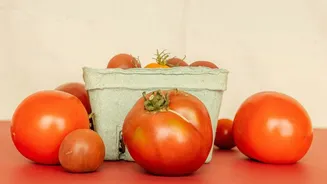
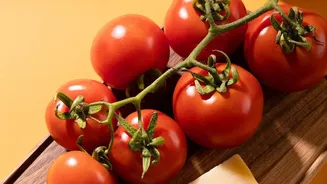
A ripe, room-temperature tomato is a thing of beauty, bursting with a complex mix of sweet, tart, and savoury notes. But placing that same tomato in the refrigerator can permanently ruin its quality. The cold, dry air of a fridge, typically below 5°C,
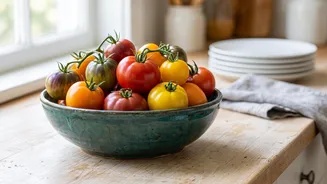
triggers a defensive response in this warm-weather fruit. Research shows that cold temperatures halt the activity of enzymes responsible for creating the volatile compounds that make up a tomato's signature aroma and flavour. Because smell is a huge component of taste, this flavour loss is significant and largely irreversible. Even after returning a chilled tomato to room temperature, many of those delicate flavour notes won't come back. Beyond flavour, the texture also suffers dramatically. The cold damages the membranes within the tomato's cell walls, causing them to break down. This results in the dreaded mealy, mushy, and grainy texture that makes for a disappointing addition to any salad or sandwich. For the best results, store whole, fresh tomatoes on your countertop away from direct sunlight, where they can maintain their integrity and continue to develop flavour.
Potatoes: The Unpleasantly Sweet Transformation
While it might seem logical to store a root vegetable in a cool place, the refrigerator is far too cold for raw potatoes. The primary issue lies with their high starch content. When potatoes are stored at the cold temperatures found in a fridge, their complex starches begin to convert into simple sugars. This process, known as cold-induced sweetening, has several undesirable consequences. Firstly, it changes the taste of the potato, giving it an odd and unwelcome sweetness that clashes with its naturally earthy flavour. Secondly, it ruins the texture, making it gritty or sandy when cooked. The higher sugar content also causes potatoes to brown and even burn much faster when fried, roasted, or baked, often leaving the outside dark before the inside is fully cooked. For optimal longevity and flavour, potatoes should be stored in a cool, dark, and dry place with good ventilation, such as a pantry or a paper bag in a cupboard. It's also wise to keep them away from onions, which release ethylene gas that can cause potatoes to sprout prematurely.
Bread: Accelerating the Staling Process
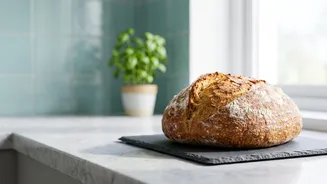
Counterintuitively, storing bread in the refrigerator makes it go stale faster. Many people assume staling is simply a matter of the bread drying out, but it’s actually a chemical process called starch retrogradation. When bread is baked, the starch molecules in the flour are broken down and become soft. As the bread cools, these molecules naturally begin to recrystallize and harden, which is what we perceive as staling. The cool, but not freezing, environment of a refrigerator drastically accelerates this recrystallization process, making the bread become tough, dry, and crumbly much more quickly than if it were left at room temperature. A chilled loaf can go stale up to six times faster than one on the counter. The best way to keep a loaf of bread fresh for a few days is to store it at room temperature, either in a bread box or a paper bag which helps maintain crust texture. For long-term storage, the freezer is your best option. Freezing halts the staling process almost completely. When you're ready to eat it, you can thaw it at room temperature or toast it directly from frozen, preserving its moisture and flavour.