



The Real Benefits of a Smart Pantry
A thoughtfully organised pantry is about more than just having ingredients on hand; it’s a system for a smoother life. It saves you money by reducing food waste and curbing the impulse to order expensive takeaways. Knowing you have the essentials for a quick
meal reduces daily decision fatigue and the stress that comes with the dreaded “what’s for dinner?” question. By stocking staples, you take control of your meals, which often leads to healthier eating habits. You are less likely to rely on processed foods when you can whip up a simple, nutritious dish in minutes. It also minimises last-minute grocery runs, saving you precious time on busy weeknights.
The Foundation: Grains and Lentils
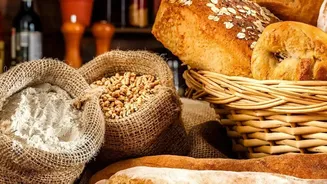
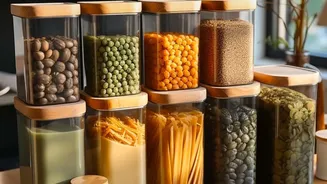
The backbone of any Indian pantry is its collection of grains and dals. These form the base of countless comforting and nutritious meals. Start with essentials like basmati rice for pulao and biryani, and a simple whole wheat atta for fresh rotis or parathas. A versatile selection of lentils is crucial. Stock up on toor dal (split pigeon peas) for sambar and dal fry, masoor dal (red lentils) for quick-cooking curries, and chana dal (split chickpeas) for heartier dishes. Poha (flattened rice) and sooji (semolina) are perfect for whipping up a fast breakfast like upma or poha. These dry goods have a long shelf life and offer endless possibilities for quick, filling meals.
The Heart of Flavour: The Masala Dabba
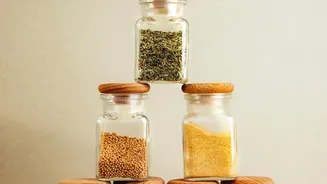
Indian cooking is defined by its masterful use of spices. Your masala dabba, or spice box, is your command centre for flavour. While the exact contents vary by region and household, a few staples are non-negotiable. Essential whole spices include cumin seeds (jeera), mustard seeds (rai), cloves (laung), and cinnamon sticks (dalchini). For ground spices, you'll need turmeric (haldi), red chilli powder, coriander powder (dhania), and a good quality garam masala. Asafoetida (hing) is another key ingredient that adds a unique savoury depth to lentil dishes. Keeping these spices fresh and accessible allows you to build complex flavours quickly.
Long-Life Produce and Aromatics
Not all fresh ingredients need to be bought daily. A well-managed pantry includes produce with a longer shelf life. Onions, potatoes, garlic, and ginger are the aromatic base for a vast majority of Indian dishes. Store potatoes and onions in a cool, dark, and dry place, but keep them separate as onions can cause potatoes to sprout. Ginger and garlic can be kept in the fridge or even pre-prepped as a paste for ultimate convenience. Tomatoes, while perishable, can be kept in the form of canned puree or paste, which is a fantastic shortcut for creating rich gravies and curries in a hurry.
Smart Organisation for Small Kitchens
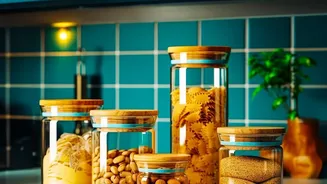
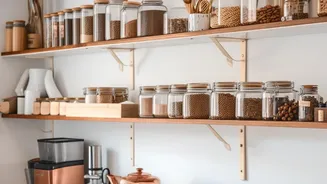
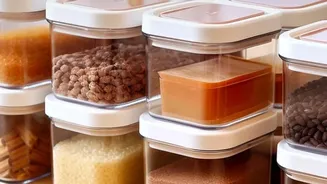
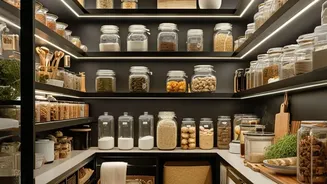
An organised pantry is a functional pantry, especially in compact urban kitchens. The key is to make everything visible and accessible. Use clear, airtight, and stackable containers to store your grains, dals, and spices. This not only keeps ingredients fresh and free from pests but also lets you see what you have at a glance. Square or rectangular containers are more space-efficient than round ones. Label everything clearly. Consider using vertical space by adding shelf risers to double your storage area. Store frequently used items like oil, salt, and daily spices near the stove for easy access.
Pantry to Plate: 20-Minute Meal Ideas
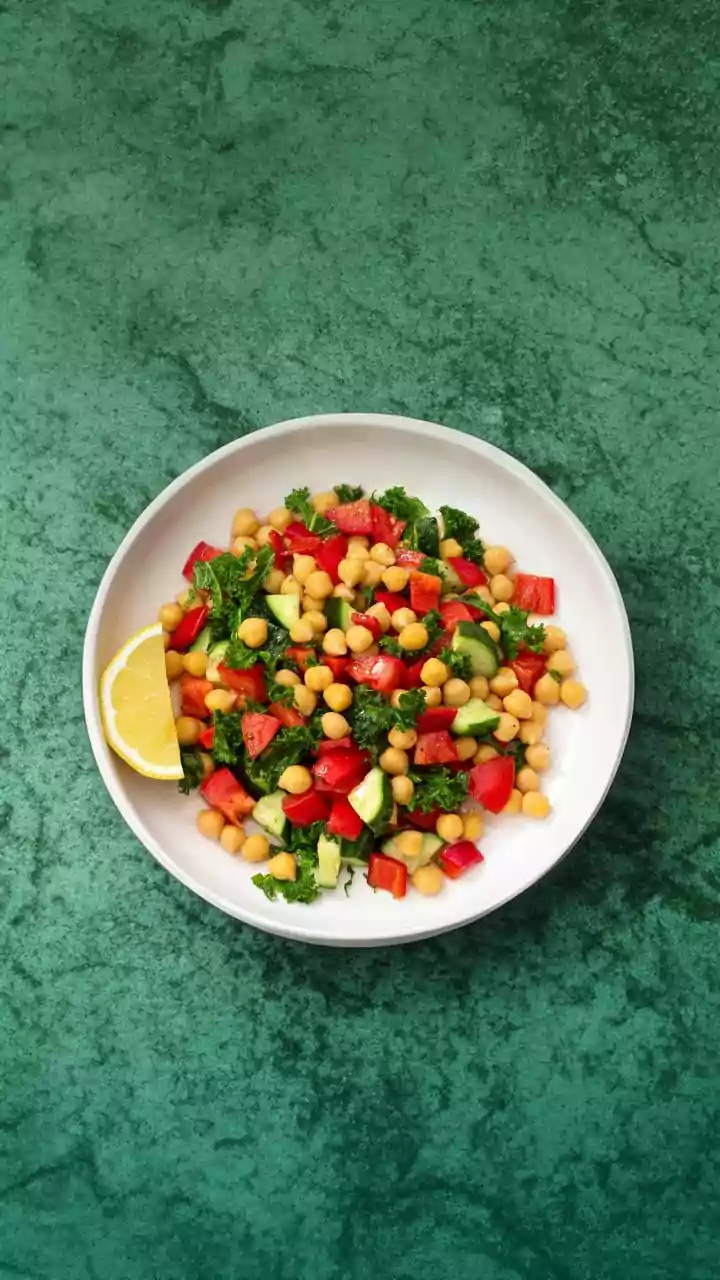
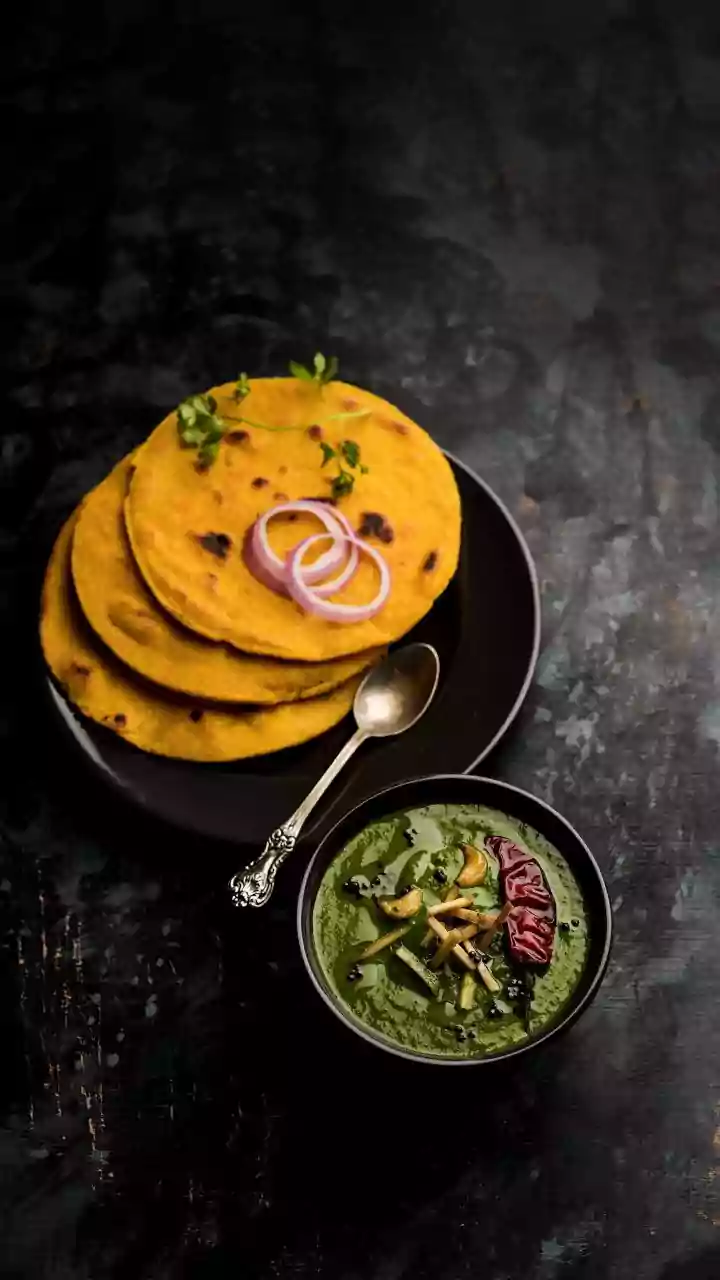
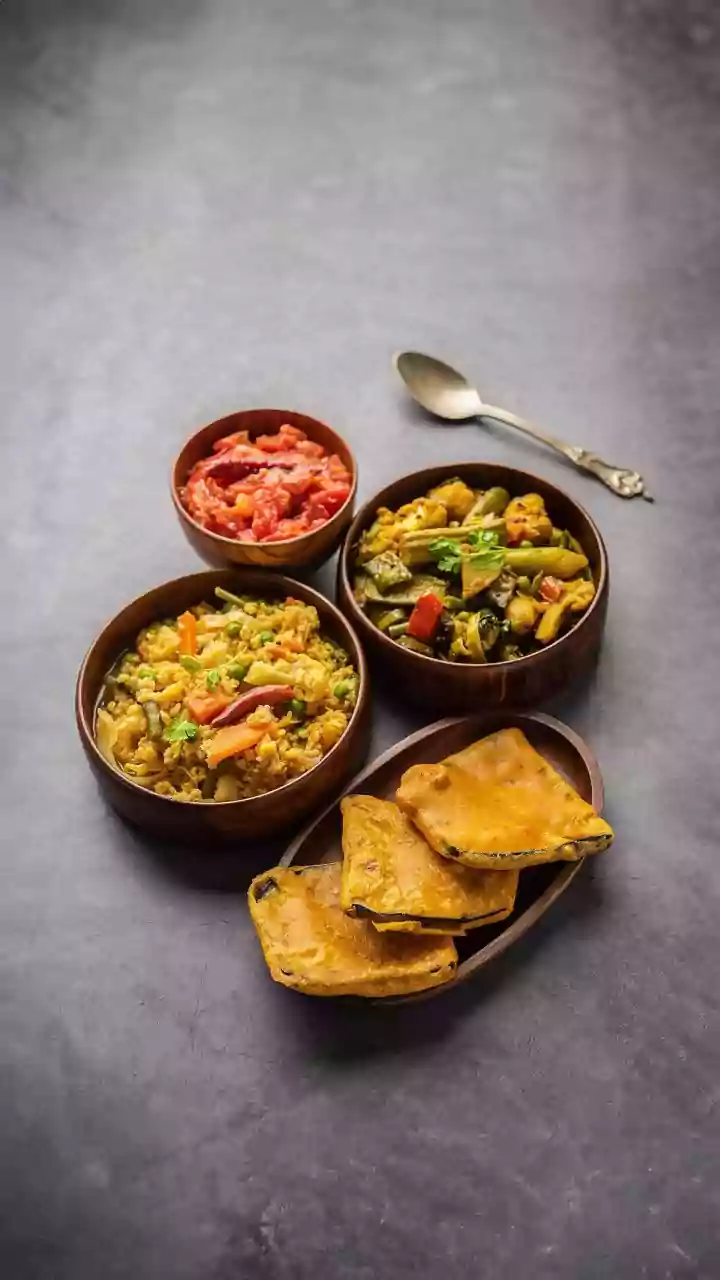
With your pantry in order, a delicious meal is never far away. For a quick and comforting dinner, make a simple Dal Tadka by pressure cooking moong or masoor dal and tempering it with ghee, cumin seeds, and garlic. Serve with steamed basmati rice for a complete meal. Another great option is Batata Poha; just rinse some poha, sauté onions and potatoes with mustard seeds and turmeric, and mix it all together for a satisfying breakfast or light dinner. You can also make a quick vegetable pulao using rice, frozen peas, and a blend of whole spices from your pantry.