





Production: A Story of Weather and Yields
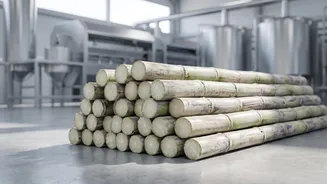
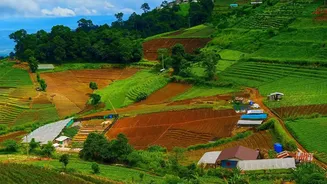
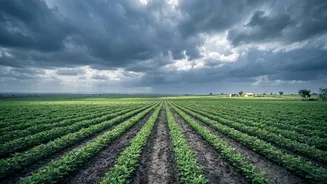
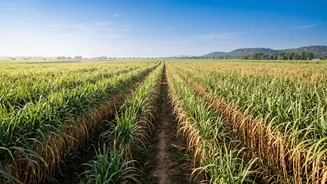
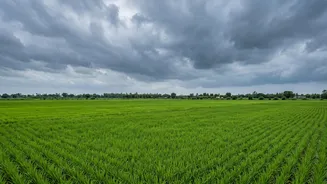
The foundation of the sugar equation is a precarious one: sugarcane production. After a period of deficits, the outlook for the 2026-27 sugar season (which runs from October to September) shows a potential rebound. Favourable monsoon cycles have helped
replenish crucial groundwater reserves, leading to forecasts of a production increase. Estimates suggest output could reach around 33.6 million tonnes, a notable rise from the previous season. However, this optimism is guarded. The performance of the monsoon remains a critical variable, with any shortfalls, particularly in key growing states like Maharashtra and Karnataka, posing a significant risk to crop yields. Even with good rains, the final output number is always subject to the realities of the harvest and the sugar recovery rate from the crushed cane, making it a source of uncertainty until the season is well underway.
Consumption: An Unwavering Demand
On the other side of the ledger is consumption, which shows a much more predictable pattern. India is the world's largest consumer of sugar, and domestic demand is both massive and consistent. Annual consumption reliably hovers around 28 to 29 million tonnes. This demand is driven not just by household use in kitchens across the country, but also by a massive food and beverage industry that includes everything from bakeries and confectioners to soft drink manufacturers. This steady demand forms a high floor for the amount of sugar required each year, meaning that even a small dip in production can quickly tighten the overall supply-demand balance.
The Ethanol Equation
A major and relatively new factor complicating the sugar balance is the government's ethanol blending programme. Aimed at reducing the country's reliance on imported fossil fuels, this policy encourages sugar mills to divert sugarcane juice and molasses away from sugar production and toward making ethanol. While this initiative supports energy security and provides an alternative revenue stream for mills, it directly impacts the amount of sugar available for consumption. In recent years, a significant amount of sugar, sometimes estimated to be several million tonnes, has been diverted for this purpose. The government's decision on how much sugar to allow for ethanol diversion in any given year has become a crucial policy lever that can instantly tighten or loosen domestic sugar supplies.
Government's Balancing Act
Faced with these competing pressures, the Indian government is engaged in a constant balancing act. Its primary goals are to ensure sufficient availability for domestic consumers, keep retail prices stable, and support the ethanol program, all while ensuring farmers receive fair prices. To manage this, officials wield several powerful tools. When production is high, the government may permit exports. Conversely, when supplies are tight, it can restrict or outright ban exports, as it did in September 2026 to secure domestic availability. In some cases, to control soaring prices ahead of festive seasons, the government has even allowed for duty-free imports of raw sugar and imposed stockholding limits on bulk consumers to prevent hoarding. These policy decisions are dynamic and can shift rapidly based on the latest production estimates and market conditions.
What It Means for the Market
This tight balance has tangible consequences for everyone. For consumers, it can mean volatility in the retail price of sugar, a staple in every Indian kitchen. For sugarcane farmers, it affects the financial health of the mills they supply and the speed at which they receive payments for their crops. For the sugar mills themselves, profitability hinges on the interplay between sugar prices and the incentives offered for ethanol production. The situation also has broader economic implications, influencing food inflation and trade policy. With opening stocks for the upcoming season at their lowest levels in years, the margin for error is slim, and the market is expected to remain in a tight-supply situation for the foreseeable future.