




The Vision Gap in Rural India
India faces a significant healthcare disparity, and nowhere is this more apparent than in ophthalmology. A vast majority of the country's population, around 72%, resides in rural areas, yet over 70% of doctors practice in urban centres. This leaves a massive
gap in access to specialized care. For conditions like diabetic retinopathy, glaucoma, or corneal diseases, early detection by a specialist is crucial to prevent irreversible blindness. However, for a farmer in a remote village, a trip to a city-based eye hospital is often a prohibitive burden, involving lost wages, travel costs, and navigation of an unfamiliar system. This systemic hurdle means many treatable eye conditions are not diagnosed until it's too late.
An Eye in the Sky Solution
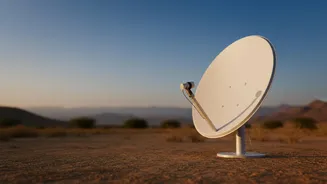
The headline-making "orbital eye scanner" isn't a single device in space, but a clever system connecting ground-level technology to orbital infrastructure. The concept, known broadly as teleophthalmology, uses portable, often AI-powered, retinal cameras on the ground. These devices can be operated by a minimally trained health worker in a local clinic or even a mobile van. The term "orbital" comes into play through the use of satellite connectivity to transmit the high-resolution images and patient data from these remote locations to ophthalmologists in major cities. This bypasses the need for unreliable terrestrial internet and allows for expert diagnosis from hundreds of kilometres away, effectively bringing the specialist to the patient, virtually.
How the Technology Works
The process is remarkably straightforward. A patient visits a local vision centre or a mobile screening camp. A technician uses a handheld camera to capture images of the patient's retina. On-board Artificial Intelligence often performs an initial analysis in real-time, flagging potential abnormalities and ensuring the image quality is sufficient for diagnosis. This data is then encrypted and uploaded via a satellite link to a secure cloud server. A specialist at a tertiary hospital can log in, review the images and the AI's initial findings, make a diagnosis, and recommend a course of action. For many common conditions, treatment can be prescribed and managed locally, drastically reducing unnecessary referrals and travel for patients.
Targeting the Silent Thieves of Sight
This technology is particularly effective against chronic, progressive eye diseases that often show no early symptoms. Diabetic retinopathy, a leading cause of blindness among working-age adults, can be detected long before a patient notices any change in vision. Similarly, glaucoma and age-related macular degeneration (AMD) can be identified through subtle changes in the retina and optic nerve. Recent studies have demonstrated the success of these teleophthalmology models. One project in northern India successfully managed over 40% of corneal disease cases at local centres, patients who would have otherwise been referred to a hospital. The system allows specialists to focus their time on complex cases requiring surgery or in-person intervention, while routine screening and management are handled remotely.
The Road Ahead and Its Hurdles
While the potential is immense, widespread adoption faces challenges. The cost of equipment, though falling, can still be a barrier for primary health centres. Training a new cadre of health technicians to operate the devices and ensuring consistent quality control across a vast network is a major logistical task. Furthermore, data privacy and the medicolegal responsibilities of remote diagnosis are areas that require robust regulatory frameworks. Despite these hurdles, the interest from the medical community is high, with surveys showing that over 98% of Indian ophthalmologists are keen to incorporate such technology into their practice. As AI algorithms become more sophisticated and hardware becomes more affordable, this model of care is poised to become a cornerstone of public health.