




Sunlight: The Ultimate Power Source
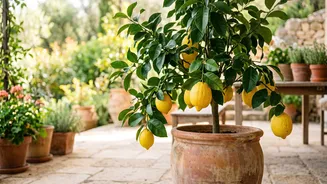
Lemon trees are sun-worshippers. To thrive and, more importantly, to produce fruit, they need a significant amount of direct sunlight. Aim for a minimum of six to eight hours of direct sun each day. If your plant is indoors, a south-facing window is your best
option. For outdoor plants, choose the sunniest, most sheltered spot you have. A location near a wall or patio that reflects heat can also be beneficial. Without enough light, your tree may survive but is unlikely to flower or fruit. If you're moving your potted plant outdoors for the summer, acclimate it slowly by placing it in a shady spot for about a week before moving it into full sun to prevent shock.
Watering: Finding the Right Balance
Proper watering is crucial and often where new plant owners go wrong. Lemon trees prefer soil that is consistently moist but not waterlogged. Overwatering is a common mistake that can lead to root rot, a serious fungal disease that can be difficult to treat. A reliable way to check if it's time to water is to insert your finger into the soil; if the top two inches feel dry, it's time for a drink. When you do water a potted tree, do so thoroughly until you see water draining from the bottom of the pot. This ensures the entire root ball is hydrated. Then, allow the top layer of soil to dry out before watering again. A plant in full sun during a hot summer will need water more frequently than an indoor plant during winter.
Soil and Potting: A Solid Foundation
Lemon trees need well-draining, slightly acidic soil. If you're using a container, make sure it has ample drainage holes. Terracotta pots are an excellent choice as their porous nature allows the soil to breathe, which helps prevent root rot. When planting, dig a hole that is at least twice as wide as the root ball. For potted plants, a mix of sterile potting soil, peat moss, and vermiculite or another substance to improve aeration is recommended. As the tree grows, you will need to repot it into a larger container to accommodate its expanding root system.
Feeding: Nutrients for a Happy Plant
Producing fragrant flowers and juicy lemons requires a lot of energy, which means your tree needs regular feeding, especially during the active growing season of spring and summer. Citrus trees are heavy feeders and benefit from a fertilizer that is high in nitrogen. Look for a balanced, slow-release fertilizer specifically formulated for citrus plants, often with an NPK ratio like 6-3-3. These formulas also typically contain essential micronutrients like iron, zinc, and manganese that citrus trees need. For potted lemon trees, you may need to fertilize every three to six weeks during the growing season, as nutrients leach out of the soil with each watering.
Pruning for Health and Growth
Pruning helps maintain the shape of your lemon tree, improves air circulation, and encourages healthy growth. The best time to prune is after the main fruiting season. You can remove any dead, damaged, or crossing branches. If your tree becomes too dense, thinning out some of the inner branches can allow more light to penetrate the canopy, which is beneficial for fruit development. Pruning can also be a preventative measure against certain pests and diseases by removing affected areas before they can spread.
Common Pests and Problems
Even with the best care, you might encounter some issues. Yellowing leaves can be a sign of overwatering or a nutrient deficiency. Common pests include sap-sucking insects like aphids, scale, and mealybugs, which leave behind a sticky substance called honeydew. This honeydew can lead to the growth of sooty mould. Most of these pests can be managed with horticultural oil or an insecticidal soap solution. Always check the undersides of leaves, where pests often hide. Another issue for outdoor plants can be citrus gall wasps, which cause lumpy growths on the stems.