


A Portrait of a Dying Star
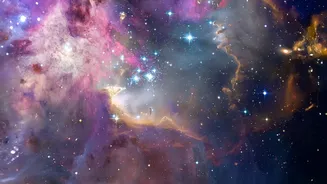
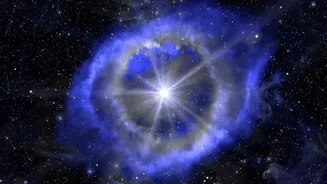
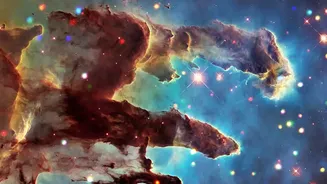
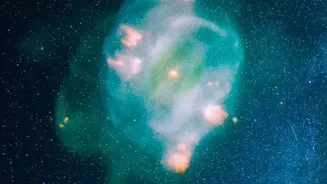
At first glance, the new image of the Lion Nebula, officially known as NGC 2392, is a riot of colour and light. Located about 5,000 light-years away, it features a bright central star surrounded by intricate shells of gas that resemble the face and flowing
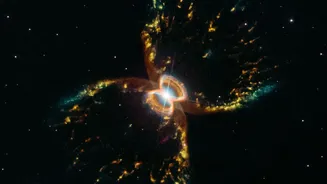
mane of a lion. But this is not a stellar nursery full of newborn stars. Instead, it is a planetary nebula, the dramatic final act of a dying star similar to our own Sun. The “lion’s roar” is the outpouring of gas and dust from this star as it exhausts its fuel. At the centre of the beautiful chaos sits a white dwarf, the super-hot and dense core left behind, which is now blasting its surroundings with intense radiation, sculpting the material it once shed.
Webb’s Infrared Investigation
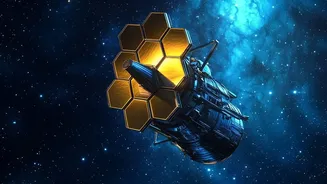
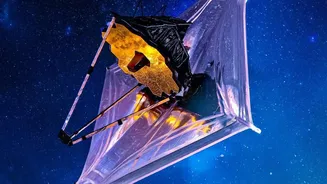
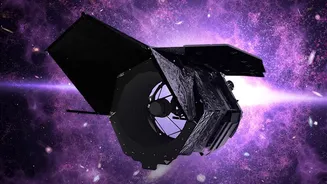
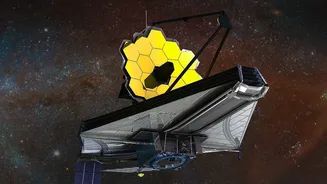
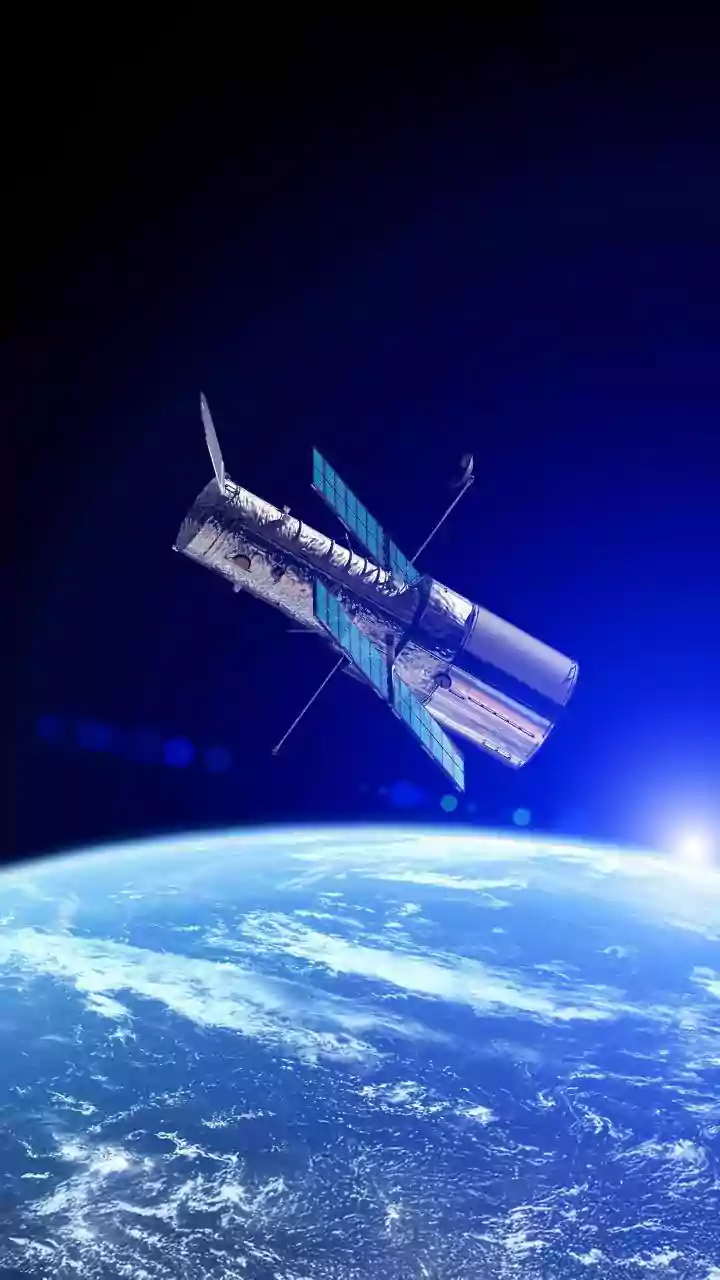
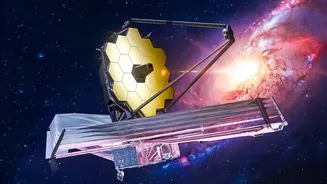
While the Hubble Space Telescope gave us our first detailed look at the Lion Nebula in visible light back in 2000, the James Webb Space Telescope’s powerful infrared instruments provide a completely new perspective. Webb's Near-Infrared Camera (NIRCam) and Mid-Infrared Instrument (MIRI) can pierce through the glowing haze of ionized gas that dominates visible-light images. This allows scientists to see the underlying structure of the dust itself with unprecedented clarity. The new composite image highlights features that were previously obscured, revealing a complex interplay between the destructive energy of the central star and the material trying to survive it.
Cosmic Survivors in the Mane
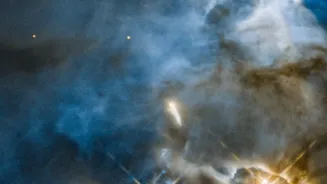
The most fascinating details revealed by Webb are the dense, clumpy filaments within the nebula’s “mane”. These are not seeds for new stars, as one might find in a star-forming region. Instead, these are resilient knots of dust that have managed to survive the blistering radiation from the central white dwarf. They appear as fluffy structures with cometary tails, not because they are moving like comets, but because they are so dense that they shield the material directly behind them from the stellar blast. This creates a shadow zone where more delicate structures can persist. These clumps are cosmic survivors, offering a unique laboratory for studying how matter behaves in one of the universe’s most hostile environments.
A Glimpse of Our Sun’s Fate
Studying the Lion Nebula is more than just an astronomical curiosity; it’s like looking into a crystal ball for our own solar system’s very distant future. Stars like our Sun will eventually swell up and cast off their outer layers to form a planetary nebula. Webb's observations of NGC 2392 provide a snapshot of this process. By analyzing how the expanding bubble of gas destroys some dust while dense dust clumps survive, astronomers can refine their models of stellar evolution. This spectacular scene is fleeting in cosmic terms. Scientists estimate that the entire structure of the Lion Nebula, from its glowing face to its dusty mane, will completely disperse into space in about 10,000 years, enriching the interstellar medium with the elements needed for the next generation of stars and planets.