






The Challenge of the Late Harvest
India is the world's largest producer of mangoes, but a tiny fraction of this bounty makes it to global markets. The reasons are complex, ranging from high domestic demand to logistical hurdles like inadequate cold storage and high freight costs. These
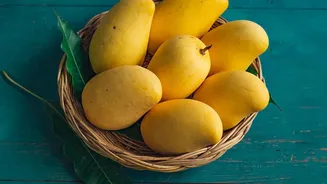
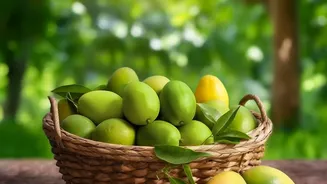
challenges are especially acute for late-season varieties, such as Neelam and Totapuri, which are harvested from late June through July. While delicious and versatile, their shorter shelf life makes them unsuitable for the slower, cheaper sea freight routes that competitors often use. This has traditionally limited their export potential, often leaving farmers in regions like Kolar district facing low prices in domestic markets, particularly when the harvest is abundant.
Air Freight as the Game-Changer
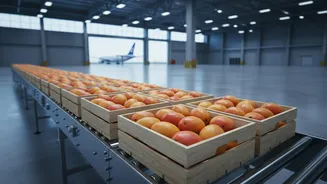
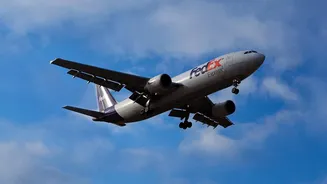
A recent development has offered a promising solution. On July 30, 2026, the Agricultural and Processed Food Products Export Development Authority (APEDA) facilitated the first-ever air shipment of Neelam and Totapuri mangoes from Karnataka to the Maldives. This one-metric-tonne consignment marks a significant milestone, proving that fast and efficient logistics can overcome the perishability barrier. By flying the fruit directly to its destination, the time from farm to market is drastically reduced, ensuring the mangoes arrive fresh. This initiative not only opens a new market but also extends India's mango export window beyond the peak season, catering to international demand for a longer period.
A Major Boost for Local Farmers
The most immediate impact of this new export channel is on the farmers themselves. The mangoes for the inaugural shipment were sourced directly from cultivators associated with the Prakruthimaya Farmers Producer Company Ltd. (FPC) in Kolar. This direct procurement model, which bypasses multiple intermediaries, has resulted in significantly better earnings. Reports indicate that the farmers involved realised more than 50% higher returns compared to what they would have earned in conventional domestic markets. For growers who have previously suffered losses due to price crashes for varieties like Totapuri, this direct link to global consumers is a financial lifeline and a source of hope.
Strengthening Brand India Globally
This initiative is more than just a single shipment; it's a strategic move to strengthen India's position in the global horticulture market. The successful export was a collaborative effort involving farmers, an FPC, and a new woman-led export enterprise, M/s Ahalya Devi Ventures. This highlights a growing and more inclusive agri-export ecosystem. By showcasing its ability to supply high-quality, perishable goods outside the main harvest season, India reinforces its reputation as a reliable and diverse agricultural powerhouse. APEDA Chairman Abhishek Dev noted that such initiatives enhance market access and contribute to sustainable income growth for farmers. Union Commerce and Industry Minister Piyush Goyal also highlighted that the move unlocks new opportunities for Karnataka's growers.
The Future of Fruit Exports
The successful air shipment to the Maldives serves as a powerful proof of concept. The model of using FPCs for organised aggregation and quality control, combined with the speed of air freight, could be replicated for other high-value horticultural products from Karnataka and other states. While challenges in logistics and cold chain infrastructure remain a broader issue for Indian agricultural exports, this milestone demonstrates a viable path forward. APEDA has stated its commitment to continue working with state governments and farmer organisations to improve infrastructure and promote India's premium produce globally. For Karnataka's late-season mangoes, this is just the beginning of a new chapter on the world stage.