




What Makes Steel-Cut Oats Different?
The secret to the unique character of steel-cut oats lies in their processing—or lack thereof. All oatmeal starts as a whole oat groat, which is the intact kernel. To make steel-cut oats, these groats are simply passed through sharp steel blades that
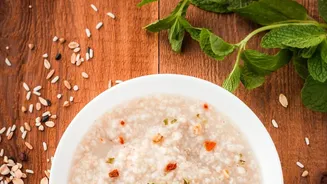
chop them into two or three smaller, rice-like pieces. This minimal processing is a stark contrast to rolled oats, which are steamed and flattened, or instant oats, which are steamed, rolled even thinner, and often pre-cooked. This simple chopping method is what preserves the oat's robust structure, leading directly to its signature texture and a longer cooking time. Because they are less processed, steel-cut oats retain more of their integrity when cooked.
The Superior Texture and Taste
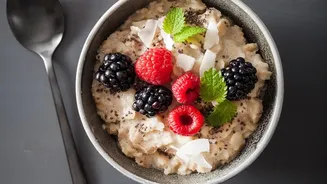
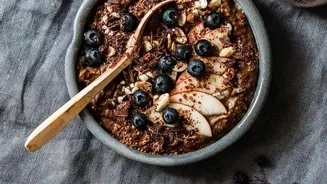
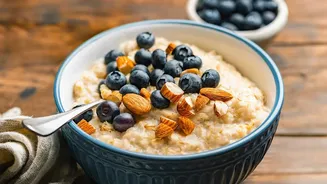
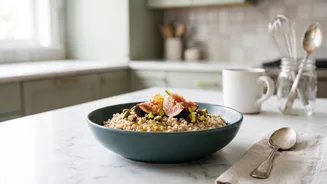
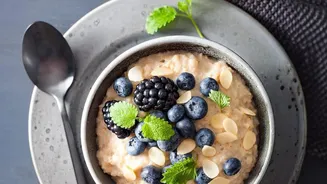
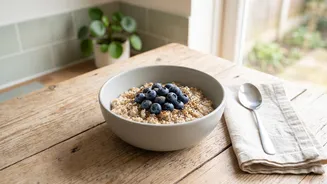
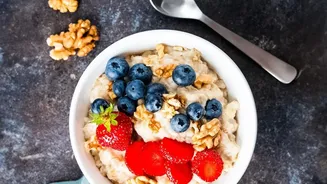
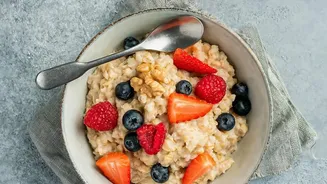
The primary appeal for many who make the switch is the texture. Unlike the softer, sometimes mushy consistency of more processed oats, steel-cut oats maintain a distinct chewiness and a firm bite. This toothsome quality transforms a simple bowl of porridge into a more substantial and satisfying meal. The flavour is also more pronounced, often described as nuttier and earthier than that of its rolled counterpart. Toasting the dry oats in a pan for a few minutes before adding liquid can further enhance this nutty fragrance and deepens the overall flavour of the finished dish, making breakfast feel a little more gourmet.
A Powerful Dose of Healthy Fibre
The 'useful fibre' mentioned in the headline is one of the biggest health draws. Steel-cut oats are packed with dietary fibre, and they may contain slightly more than rolled oats because more of the whole grain remains intact. A significant portion of this is a soluble fibre called beta-glucan. This powerful compound is a well-researched, health-promoting agent. It forms a gel-like substance in your digestive tract, which has been proven to help lower LDL ('bad') cholesterol levels. Furthermore, this fibre helps promote a healthy gut, which can strengthen your immune system.
Better Blood Sugar Control and Satiety
The benefits of minimal processing extend to how your body uses the energy from oats. Steel-cut oats have a lower glycemic index (GI) compared to rolled and especially instant oats. A food's GI measures how quickly it raises blood sugar levels. With a GI value typically between 42 and 53, steel-cut oats are digested more slowly, leading to a more gradual release of sugar into the bloodstream. This prevents the sharp spikes and subsequent crashes in energy associated with high-GI foods like instant oatmeal. The slower digestion, combined with the high fibre content, also means you feel fuller for longer, which can be a great asset for weight management by reducing the urge to snack between meals.
How to Prepare Perfect Steel-Cut Oats
The one trade-off for their superior texture and nutritional benefits is a longer cooking time, typically ranging from 20 to 30 minutes on the stovetop. While this might seem daunting for a busy morning, there are several ways to make it work. For the classic stovetop method, bring a ratio of about three or four parts water to one part oats to a boil, add the oats, reduce the heat, and simmer, stirring occasionally. For an even easier approach, try the overnight method: bring water and oats to a boil for one minute in the evening, then cover the pot, turn off the heat, and let it sit overnight. In the morning, the oats will be fully cooked and just need a quick 5-10 minute reheat. Steel-cut oats are also ideal for making in a slow cooker or pressure cooker, allowing for a hands-off approach. Once cooked, they reheat beautifully, so you can make a large batch to enjoy all week.