




From Drying Mattes to Dewy Moisture
The reign of the drying, super-matte liquid lipstick, a staple of the last decade, is officially on the wane. Indian beauty enthusiasts are trading the high-maintenance, often uncomfortable feel of heavy mattes for a softer, more forgiving aesthetic.
This pivot is part of a larger global and local movement known as the 'skinification' of makeup, where cosmetic products are expected to offer skincare benefits. Consumers no longer want products that just cover up; they demand formulations that actively care for their skin—and lips are no exception. The desire for a 'clean girl' aesthetic, healthy-looking skin, and comfortable wear has paved the way for a new class of lip heroes that offer a glossy, hydrated finish.
Deconstructing the New Lip Wardrobe
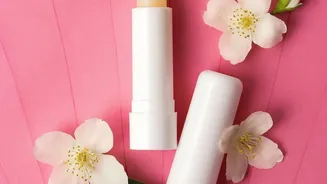
But what exactly is the difference between these new-age products? While they all promise hydration, their functions vary. Think of it as a wardrobe for your lips. Lip balms are the foundational layer. Modern balms go beyond basic petroleum jelly, creating a protective barrier with waxes and butters to lock in moisture and prevent water loss. Many now include active ingredients like SPF for sun protection or vitamins for repair. Lip oils are the trendy multitaskers. Lighter than balms and non-sticky, they are formulated with plant-based oils that absorb into the lips to provide immediate hydration and a high-shine, glossy finish. They are designed to both treat the lips and provide a cosmetic sheen, making them a true makeup-skincare hybrid. Lip treatments are the intensive care specialists. These are often formulated as masks or serums, containing potent, targeted ingredients like hyaluronic acid, peptides, and ceramides to repair, plump, and deeply condition the lips, often used overnight.
The Science Behind a Supple Pout
The popularity of these products is powered by a new focus on active ingredients, once reserved for facial skincare. Hyaluronic acid is a key player, known for its ability to draw moisture into the skin, making lips appear plumper and smoother. Peptides work to support collagen production, while ceramides help strengthen the lip's natural barrier to prevent dryness and chapping. Natural, nourishing ingredients are also central to this trend. Indian consumers are increasingly seeking out products with familiar and trusted components like almond oil, shea butter, jojoba oil, and vitamin E, which offer antioxidant protection and deep conditioning. This ingredient-led approach reflects a more educated consumer who reads labels and understands what they are putting on their skin.
The Indian Consumer's Evolving Priorities
This shift is particularly pronounced in India, where a growing number of Gen Z and millennial consumers are driving demand. Increased exposure to global trends through social media, coupled with rising disposable incomes, has created a market for more sophisticated, multi-functional products. Indian D2C (direct-to-consumer) brands have been quick to respond, launching innovative lip care ranges that cater specifically to local concerns like pigmentation and damage from sun exposure. Brands like Renee Cosmetics, Deconstruct, Pilgrim, and others are formulating lip oils, tinted balms with SPF, and targeted treatments that resonate with a generation that values both efficacy and conscious ingredients.
The Hybrid Hero: Colour Meets Care
Perhaps the biggest driver of this trend is the rise of the hybrid product—items that offer both cosmetic appeal and genuine skincare benefits. Tinted lip oils and balms are a perfect example, providing a sheer wash of colour, a glossy finish, and lasting hydration all in one step. These products simplify beauty routines while delivering better results, fitting perfectly into the fast-paced lives of modern Indian women. They effectively expand the beauty bag not by adding more products, but by replacing single-function items like lipstick and gloss with smarter, harder-working alternatives that enhance and nourish simultaneously.