





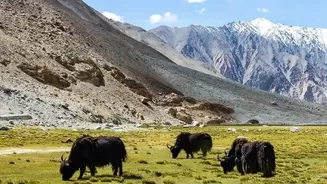
What is the High-Altitude Safari?
In a pioneering move, the Ladakh administration has approved guided jeep safaris across its stunning high-altitude landscapes. This initiative, announced in early August 2026, aims to create a structured and sustainable way for tourists to experience
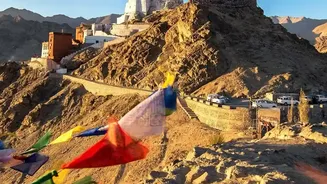
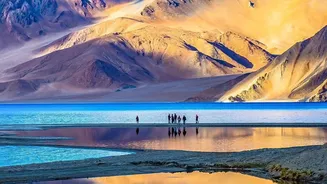
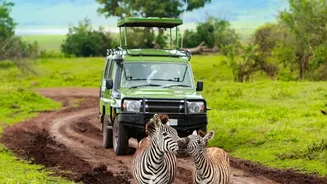
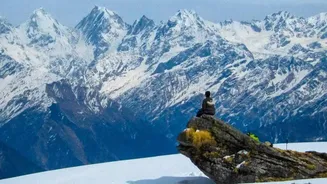
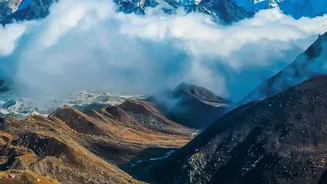
one of the world's most unique ecosystems. Unlike traditional safaris in plains or forests, these tours will navigate the cold desert mountains, offering a chance to see rare wildlife in its natural habitat. The decision was taken by the newly formed Snow Leopard and High-Altitude Nature (SHAN) Conservation Society. The goal is to model the safaris on successful ventures like those in Kaziranga and Ranthambore, but adapted for the fragile Himalayan environment. This involves using specially designed open-back vehicles operated exclusively by trained local drivers and guides.
The Star: The Ghost of the Mountains
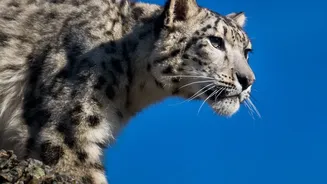
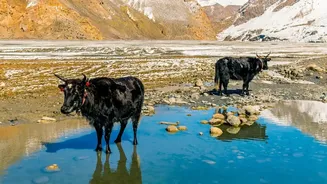
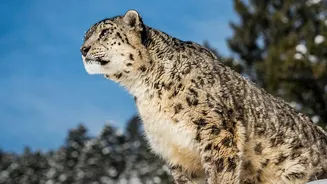
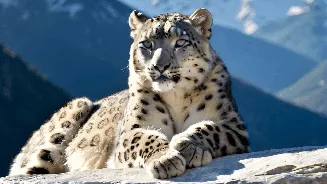
The main attraction is undoubtedly the snow leopard, often called the “ghost of the mountains” for its incredible camouflage and elusive nature. Ladakh is a critical habitat for this vulnerable species, hosting an estimated 477 of India's total 718 snow leopards. These apex predators are perfectly adapted to the harsh, high-altitude terrain, which makes spotting them a rare and coveted experience. The safari routes are being planned across areas known for snow leopard sightings, including Hemis National Park and the Changthang and Karakoram wildlife sanctuaries. Beyond the snow leopard, Ladakh is a biodiversity hotspot with over 38 mammal species and around 340 types of birds, making it a rich destination for any wildlife enthusiast.
Conservation-Led, Community-Driven
This initiative is rooted in a long-standing conservation strategy known as Project Snow Leopard. Launched in 2009, the project emphasizes a landscape-level approach, recognizing that wildlife doesn't stay within protected area boundaries. A core principle is the active involvement of local communities. The new safari model builds directly on this by making local communities direct stakeholders. By training and employing local youth as guides and drivers, the program provides economic incentives for conservation. This approach has been successful in other local programs, like the Himalayan Homestays, which help offset livestock losses to predators by generating tourism income, thereby fostering a more positive attitude towards the snow leopard. The SHAN society will also roll out wildlife clubs in schools and fellowships for photographers to deepen community engagement.
The 'Control' in Eco-Tourism
A key challenge in Ladakh has been the rise of unregulated tourism, particularly illegal off-roading, which damages the fragile ecosystem and disturbs wildlife. The safari aims to bring this under control. By creating designated routes and mandating the use of trained local guides, the administration hopes to curb these destructive practices. The guided jeep safaris provide a regulated alternative, enhancing the visitor experience while minimizing environmental impact. The Ladakh administration has already adopted a zero-tolerance policy towards off-roading, with violators facing hefty fines and vehicle seizures. This structured approach ensures that tourism growth does not come at the cost of the very natural heritage that attracts visitors in the first place.
A Blueprint for Sustainable Tourism?
The high-altitude safari represents a crucial test case for sustainable tourism in India's most sensitive ecological zones. The model is built on the idea that conservation and economic livelihoods can be mutually beneficial rather than conflicting goals. The initiative is paired with broader environmental measures, such as installing waste segregation bins in villages and promoting plastic-free tourism campaigns, managed by the SHAN society. By creating a formal, regulated, and community-integrated tourism product, Ladakh is attempting to build an economic model where local people are the primary guardians and beneficiaries of their region's biodiversity. If successful, this blend of conservation, control, and community partnership could become a blueprint for other fragile ecosystems across the country, proving that it is possible to welcome the world without sacrificing the wild.