





Big Savings on Two-Wheelers
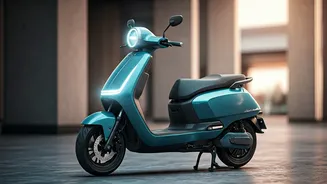
For the vast number of Delhiites who rely on two-wheelers, the new policy offers significant upfront savings. Buyers of new electric two-wheelers will receive a purchase incentive of ₹30,000 in the first year of the policy. This amount is designed to
encourage early adoption, tapering to ₹20,000 in the second year and ₹10,000 in the third. These incentives apply to vehicles with an ex-factory price up to ₹2.25 lakh. Furthermore, if you scrap an old petrol-powered two-wheeler (BS-IV or older), you can get an additional ₹10,000 incentive, making the switch even more affordable.
Incentives for Electric Cars
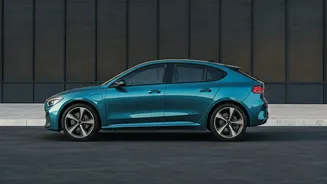
While there is no direct purchase subsidy for electric cars, the benefits come from tax waivers and a very attractive scrappage bonus. All-electric cars with an ex-showroom price up to ₹30 lakh will be granted a 100% exemption on road tax and registration fees for the duration of the policy, which runs until March 31, 2030. The biggest financial carrot is for those looking to replace their old polluting car. Buyers who scrap a Delhi-registered BS-IV or older car and purchase a new EV within six months will receive a massive ₹1 lakh incentive. This benefit, however, is limited to the first 100,000 applicants.
A Major Push for Commercial Vehicles
The policy heavily targets the commercial sector, which is a major contributor to vehicular pollution. Buyers of new electric three-wheelers (auto-rickshaws) are eligible for a ₹50,000 subsidy in the first year, which reduces to ₹40,000 and ₹30,000 in the second and third years, respectively. For those purchasing N1 category electric commercial trucks (under 3.5 tonnes), a flat ₹1 lakh subsidy is available in the first year. Scrappage incentives are also robust for this segment, with ₹25,000 for three-wheelers and ₹50,000 for N1 trucks. The policy also mandates that from January 1, 2027, only electric three-wheelers and N1 trucks can be registered in Delhi.
No More 'Range Anxiety'?
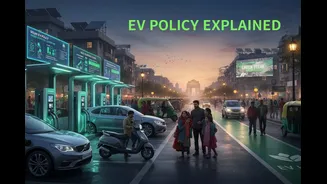
A key barrier to EV adoption is the fear of running out of charge, often called 'range anxiety'. To combat this, the government plans a massive expansion of charging infrastructure. The goal is to install 32,000 public charging points across the city over the next four years. These will be funded through a combination of the central government's PM e-Drive scheme and the Delhi government's budget. A dedicated online portal will also be launched for buyers to apply for all EV-related incentives, which will be transferred directly to their bank accounts.
What's Not Included?
It is also important to note what the policy does not cover. After some consideration during the drafting phase, the final policy approved by the cabinet excludes hybrid vehicles from any incentives. The focus is exclusively on fully electric, zero-emission vehicles. Furthermore, to prevent misuse of the subsidies, the policy introduces a three-year lock-in period, meaning beneficiaries cannot sell or re-register their subsidised vehicle in another state for three years. Electric cars priced above ₹30 lakh are also not eligible for the road tax and registration fee waivers.