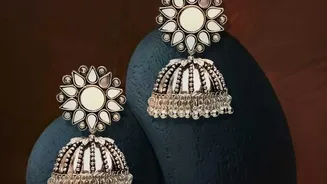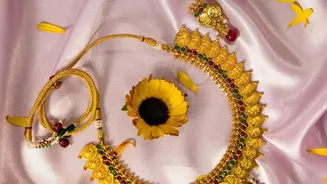



The Grand Return of More is More
After years dominated by delicate chains and barely-there studs, a shift is happening in the world of Indian festive fashion. Maximalism is back, but it's not the overwhelming, heavy-handed approach of the past. Today's trend is about smart, intentional
layering and celebrating heritage with a personal flair. This return to bolder aesthetics is driven by a desire for self-expression and a renewed appreciation for traditional craftsmanship. Instead of perfectly matched sets, the focus is on curating a collection of pieces that tell a story. Think less about borrowing from your mother's locker and more about creating a look that is uniquely yours, blending vintage-inspired designs with contemporary styling. This festive season, the message is clear: it's time to embrace the joy of adornment and let your jewellery do the talking.
The Art of the Layered Neck
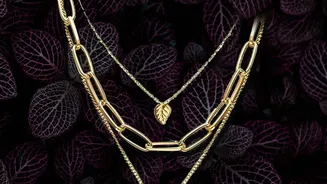
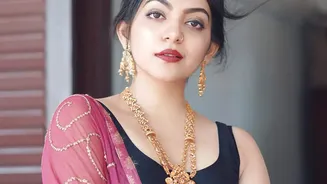
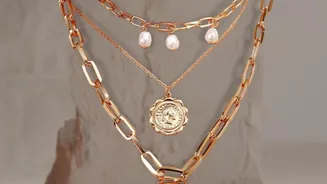
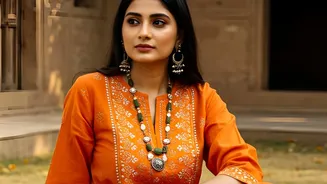
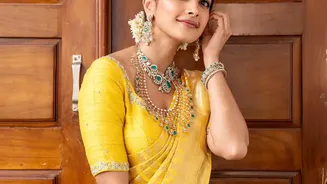
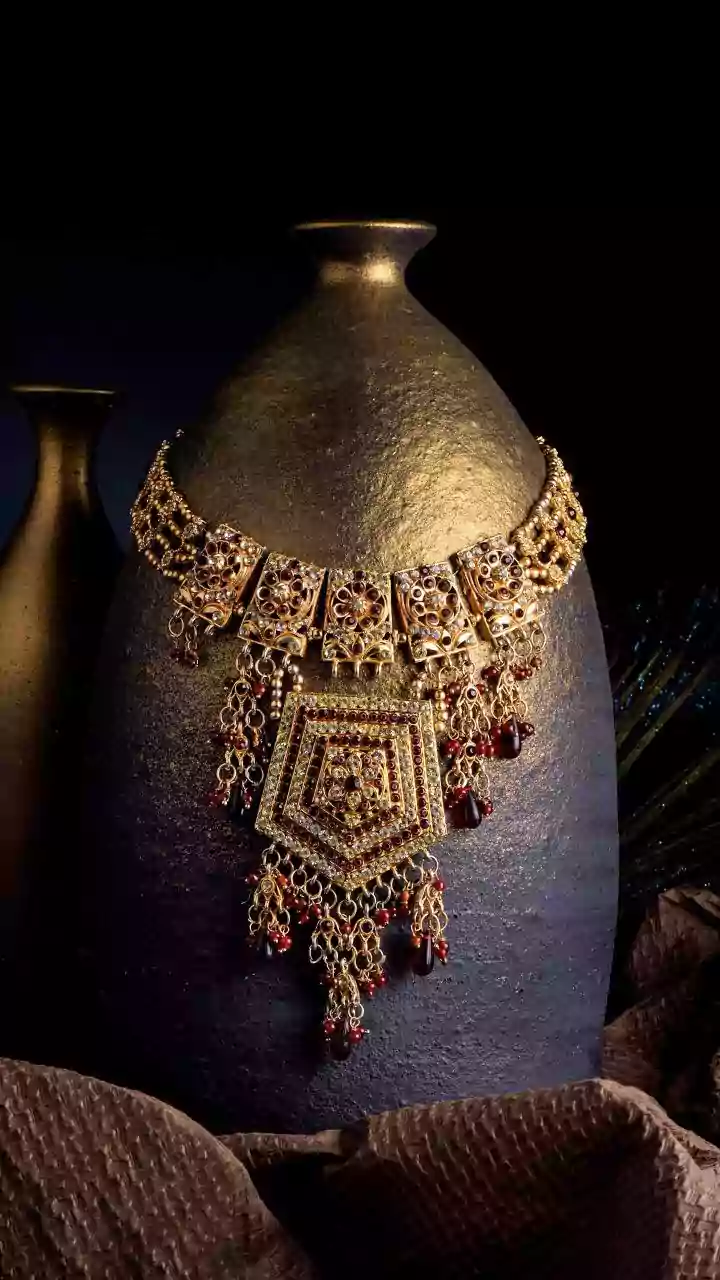
The foundation of the modern maximalist look begins at the neckline. Layering necklaces is an art form that creates depth and drama, transforming even a simple outfit into a statement. The key is to play with varying lengths and styles to create harmony. A classic and foolproof combination is the trio: a choker, a mid-length necklace, and a long rani haar. This works beautifully with both deep necklines and high collars. You can mix textures and styles, such as pairing a traditional Kundan or Polki choker with delicate gold chains or a string of pearls. Celebrities like Sonam Kapoor and Deepika Padukone have been seen championing this trend, often mixing heritage pieces like temple jewellery with more modern designs. The goal is to create a cascade of jewellery that feels both regal and effortlessly cool.
A Symphony on Your Wrists
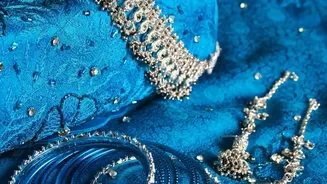
A well-executed stack of bangles is a quintessential part of the festive Indian look. The modern approach encourages mixing, not matching. Combine chunky kadas with delicate glass bangles, or mix metals like gold and silver for an eclectic, boho-chic vibe. There's no hard rule, but stacking in odd numbers—three, five, or seven—often creates a more visually pleasing balance. Don't be afraid to add a bracelet or even your watch into the mix for a practical yet stylish look. The contrast in textures, from smooth metal to intricate enamel work or stone-studded pieces, adds richness and personality. For daytime events, a smaller stack might be appropriate, while for an evening celebration like a Diwali party or a wedding sangeet, a fuller arm is a perfect way to embrace the festive spirit.
Rings, Rings, and More Rings
The maximalist trend extends all the way to your fingertips. Stacking rings has become a popular way to add an extra layer of detail and personality to your look. You can create a story across your hands by mixing delicate bands with bold, oversized cocktail rings. Don't shy away from wearing rings on multiple fingers. One of the key trends for 2026 is the statement ring, often featuring colourful gemstones or unique, sculptural shapes. You can pair a large, attention-grabbing ring on one finger with a few simpler, stacked rings on another. This allows you to play with proportions and draw attention to your hands, especially when they are adorned with intricate mehndi for an occasion.
Finding the Right Balance
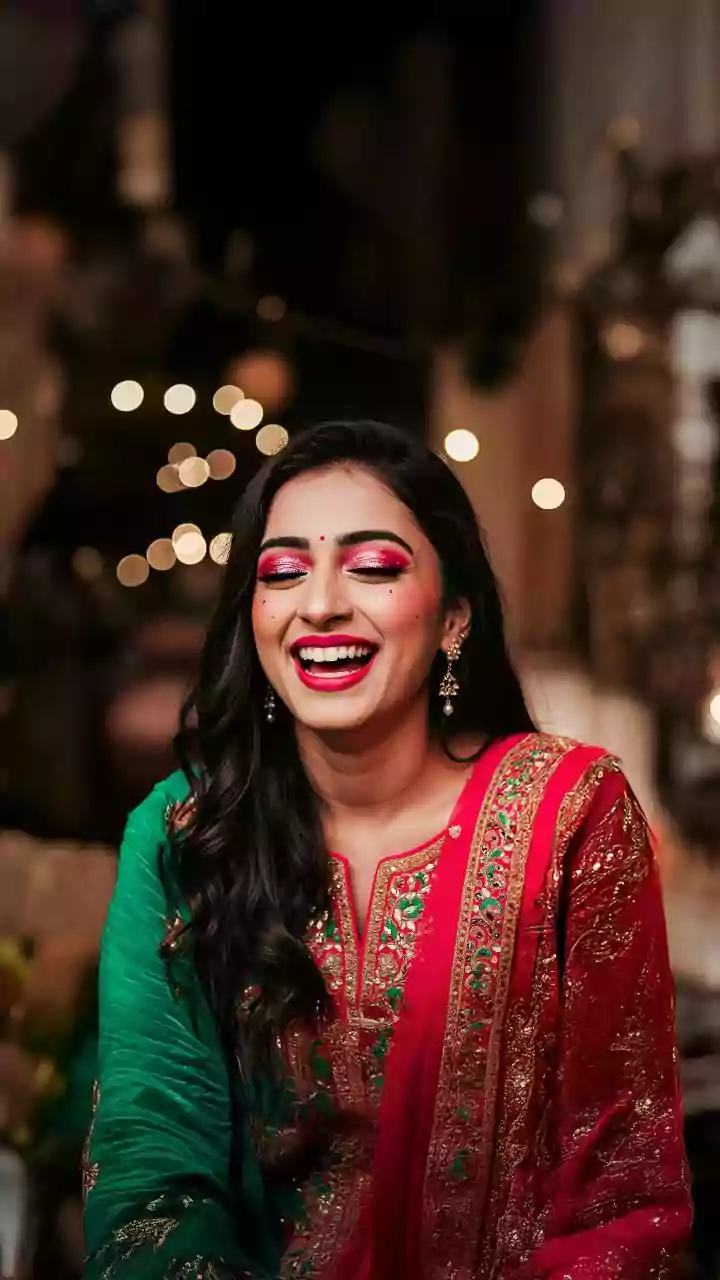
While the trend is called maximalism, the secret to pulling it off successfully is balance. The most common mistake is choosing your accessories in isolation. Start with your outfit; if it's heavily embroidered or has a lot of intricate work, your jewellery should act as a complement, not a competitor. In this case, you might choose to focus on one area, like statement earrings or a bold necklace stack, while keeping other jewellery minimal. Conversely, a simple, solid-coloured outfit is the perfect canvas for a full-blown maximalist jewellery statement. Pay attention to your neckline—a high neck calls for dramatic earrings but no necklace, while a deep V-neck is an invitation for layered chains. The aim is to look curated and intentional, not cluttered.