





From Sabhas to Social Media
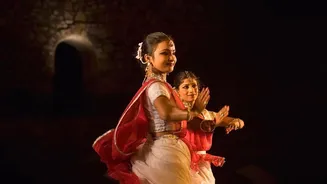
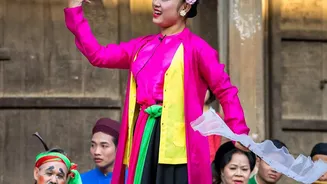
The traditional formats for presenting Indian classical and folk music, such as the formal 'sabha' or the reverent 'baithak', have long been the bedrock of our cultural heritage. These spaces command a certain decorum, often involving lengthy performances
where deep knowledge of ragas and talas is a prerequisite for full appreciation. While this structure has preserved the purity of the art forms, it has also created an invisible wall for younger, uninitiated audiences who may find it intimidating or inaccessible. In an age of shrinking attention spans and a desire for more interactive experiences, the classical world is facing a challenge: how to retain its soul while speaking a language that a new generation understands.
The Rise of Fusion and Festivals
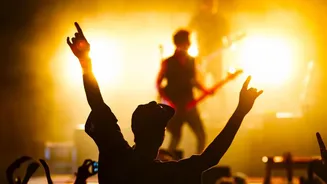
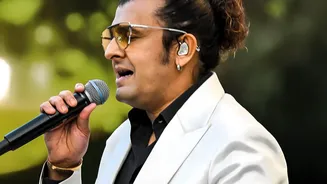
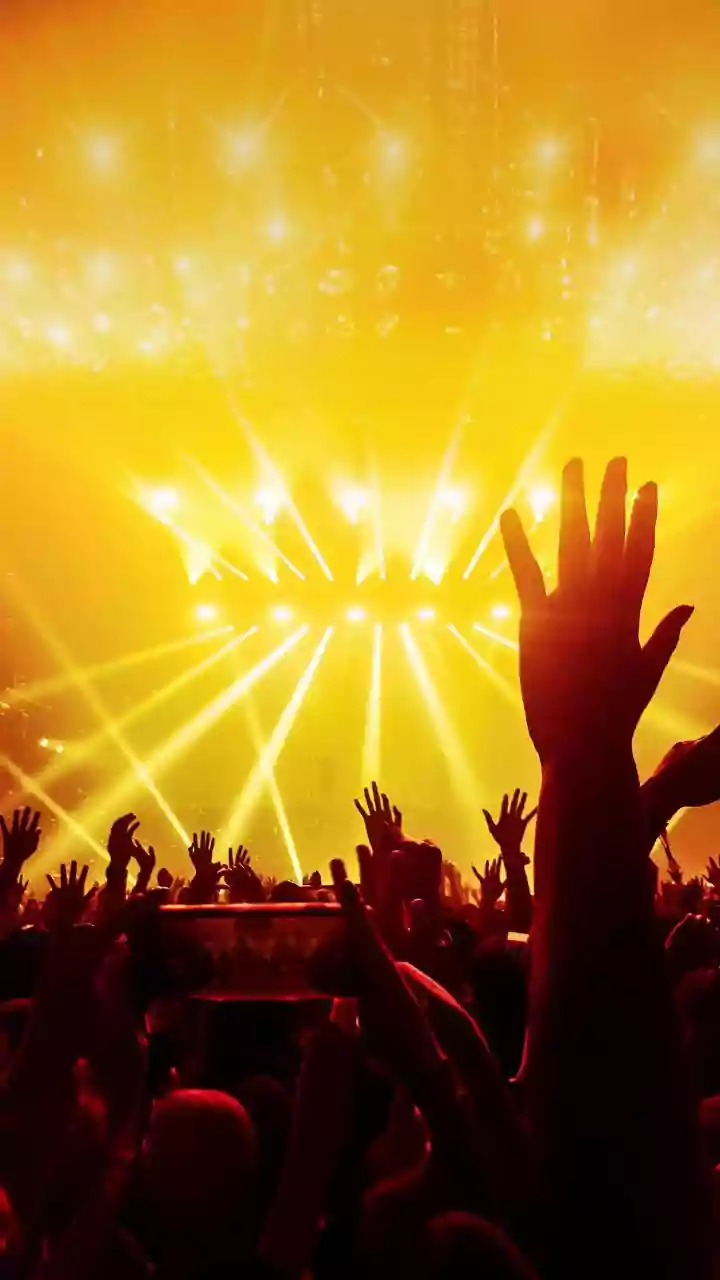
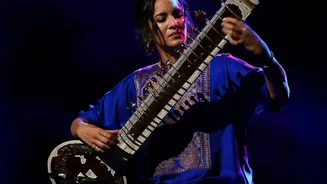
The most visible experiment is the explosion of fusion music. Artists are blending classical and folk traditions with genres like jazz, rock, and electronica. This isn't just about adding a guitar to a sitar melody; it's a deep reinterpretation of form. Bands like Indian Ocean, The Raghu Dixit Project, and artists like Anoushka Shankar have become pioneers, creating a sound that is both authentically Indian and globally resonant. This musical experimentation is mirrored in the format of presentation. Multi-genre music festivals like NH7 Weekender, Ziro Festival of Music, and Jodhpur RIFF are now major cultural events. These festivals place a Rajasthani folk ensemble on a bill next to an indie rock band, exposing diverse audiences to traditional sounds in a relaxed, celebratory environment.
Innovating the Live Experience
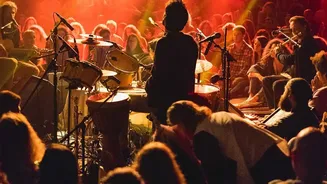
Beyond large-scale festivals, the concert experience itself is being reimagined. Some artists are curating shorter performances, focusing on a single raga or theme to make concerts more digestible. Others are moving out of formal auditoriums and into unconventional spaces like cafes, art galleries, and even open-air settings under banyan trees. The goal is to strip away the formality and create a more intimate connection between the artist and the listener. Eco-friendly festivals like Echoes of Earth in Bengaluru and the Ziro Festival in Arunachal Pradesh integrate music with nature and sustainability, attracting a youth demographic that values experiences as much as art. These events are not just concerts; they are cultural gatherings that foster a sense of community.
The Digital Frontier
The COVID-19 pandemic accelerated the shift to online concerts, but the trend has continued to evolve. Platforms like YouTube and Instagram have become crucial tools for artists to reach a global audience. A 15-second Instagram Reel featuring a complex 'taan' can pique the interest of a teenager, who might then explore the artist's full work. This digital wave is also a powerful tool for preservation. Initiatives are underway to create digital archives of rare folk forms and regional music styles, ensuring they are not lost to time. The government has also recognized this potential, with the Ministry of Culture exploring partnerships with platforms like Spotify and YouTube to actively promote folk and traditional music.
A Necessary Evolution?
Naturally, this wave of experimentation has its critics. Some purists argue that fusion and shorter formats risk diluting the purity and complexity of ancient art forms. They worry that in the quest for accessibility, the spiritual and meditative depth of classical music might be compromised. However, proponents see it differently. They argue that tradition is not a static object to be preserved in a museum; it is a living, breathing entity that must adapt to survive. By engaging with contemporary sounds and platforms, they are not 'dumbing down' the music but ensuring its relevance for future generations. This balancing act between preservation and innovation is now at the heart of the conversation about the future of traditional music in India.