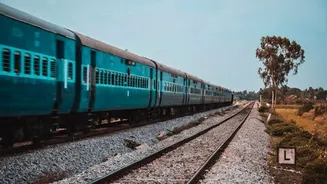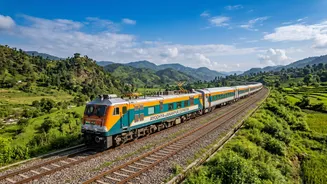







In a landmark move for pilgrims and cultural enthusiasts, the sacred cities of Ayodhya and Janakpur are now connected by a direct weekly train. This new service bridges the India-Nepal border, making the revered journey much more accessible.
A Historic Inauguration
Strengthening
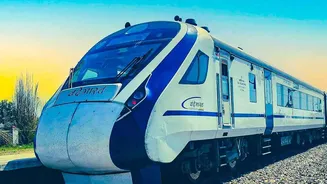
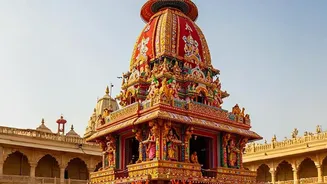
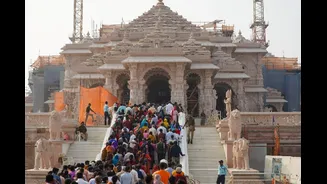
the civilisational bond between India and Nepal, the Ayodhya-Janakpur Express was virtually flagged off by Indian Prime Minister Narendra Modi and his Nepalese counterpart, Balendra Shah, on November 23, 2026. The train, also known as the Saryu-Kamala Express, marks a significant milestone in cross-border connectivity, directly linking two of the most important sites in the Ramayana tradition. Ayodhya, the birthplace of Lord Ram, and Janakpur, revered as the birthplace of Mata Sita, are now joined by a seamless rail journey, a development celebrated by devotees on both sides of the border. This initiative is a cornerstone of the broader effort to enhance the Ramayana Circuit, promoting religious tourism and deepening cultural ties.
Route, Schedule, and Timings
The weekly service is designed for the convenience of travellers, covering the 604-kilometre distance in approximately 19 hours. From India, train number 15596 will depart Ayodhya Cantt. every Monday evening at 5:50 PM and is scheduled to arrive at Janakpur Dham at 12:40 PM (Nepali time) the following day. For the return journey, train number 15595 will leave Janakpur Dham every Saturday at 1:10 PM (Nepali time), reaching Ayodhya Cantt. at 8:10 AM on Sunday morning. This schedule allows pilgrims ample time to plan their visits and travel comfortably between the two holy cities. Regular commercial services for the train are set to begin on November 28, 2026.
Key Stops and Coach Composition
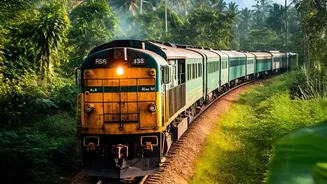
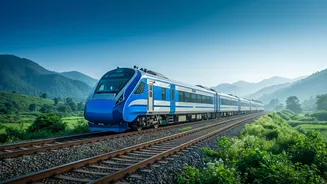
To facilitate travel for people across several regions, the Ayodhya-Janakpur Express will have ten commercial stoppages between its terminal stations. The route passes through major towns in Uttar Pradesh and Bihar, including Mankapur, Basti, Gorakhpur, Narkatiaganj, Raxaul, Sitamarhi, Shisho, Madhubani, and Jaynagar. The train itself is composed of modern LHB (Linke Hofmann Busch) rakes, ensuring a more comfortable and safe journey. The 17-coach train includes a mix of eight air-conditioned coaches and seven sleeper-class coaches, catering to different budget requirements, along with coaches for luggage and staff. This makes the pilgrimage accessible to a wide range of devotees and tourists.
A Journey Through The Ramayana
This train service is much more than just transport; it's a pilgrimage route that brings the epic of Ramayana to life. For centuries, devotees have made the arduous journey between Ayodhya, Lord Ram's 'sasural' (in-laws' home), and Janakpur, Mata Sita's 'maika' (parental home). The Ayodhya-Janakpur Express transforms this journey into a direct and manageable one, allowing pilgrims to immerse themselves in the spiritual heritage of these cities without the hassle of changing transport multiple times. The connection reinforces the deep-rooted cultural narrative and shared history that binds India and Nepal, often referred to as the 'Roti-Beti' relationship.
Boosting Tourism and Local Economies
Beyond its immense religious significance, the new train service is expected to provide a substantial boost to tourism and local economies in both countries. By making cross-border travel more convenient, it opens up new opportunities for tour operators, hotels, and local artisans along the entire route. The railway line is a critical piece of infrastructure that facilitates not only tourism but also travel for education, business, and family connections. It builds upon the success of other cross-border rail links, like the Jaynagar-Kurtha line, which has already proven to be a vital and profitable connection since its inauguration. This initiative is seen as a powerful engine for regional development and strengthening bilateral ties.