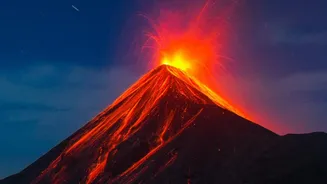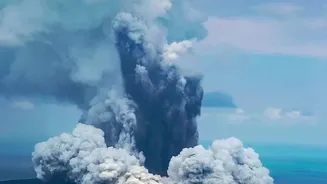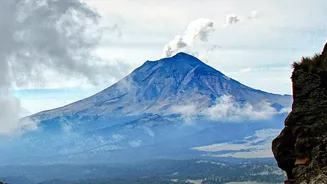





The Air Can Be Deceptive
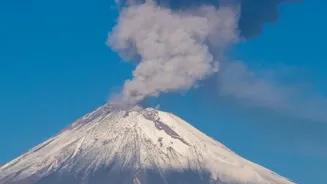
One of the most significant unseen threats in geothermal areas is the cocktail of gases released from the Earth’s crust. While water vapour is the most abundant and harmless, other gases like sulphur dioxide (SO2) and hydrogen sulphide (H2S) can be present
in dangerous concentrations. Sulphur dioxide is a colourless gas with a strong, pungent odour that can irritate the skin, eyes, nose, and throat. For individuals with asthma or other respiratory conditions, even low concentrations can cause breathing difficulties and worsen existing health problems. Hydrogen sulphide is often recognised by its distinct “rotten egg” smell. This odour is a natural warning sign, but relying on it is a mistake. At high concentrations, H2S can quickly overwhelm and deaden your sense of smell, creating a false sense of safety just as the danger becomes most acute. Exposure to very high levels can lead to rapid unconsciousness and can even be fatal. These gases are heavier than air, meaning they can collect in low-lying areas and depressions, turning a seemingly safe spot into a lethal trap.
The Ground Isn't Always Solid
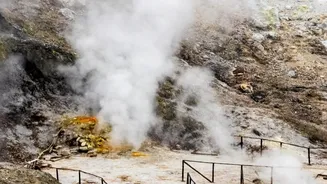
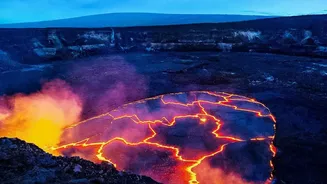
The ground in active volcanic and geothermal regions can be treacherously unstable. What appears to be solid earth might only be a thin, fragile crust concealing boiling water or superheated mud. This crust is formed as minerals precipitate from the hot water, but it can be weakened by acidic steam and groundwater, making it prone to sudden collapse. Stepping onto such a surface can result in severe, life-threatening burns. Areas around geysers, fumaroles (steam vents), and hot springs are particularly hazardous. These areas are in a constant state of flux. New steam vents can open up, and ground that was safe to walk on one day might become a hazard the next. Hydrothermal eruptions, which occur when trapped, superheated water flashes to steam, can happen with little to no warning, ejecting boiling water, mud, and rocks. In February 2026, a fatality at Hawaiʻi Volcanoes National Park served as a grim reminder that even when a volcano isn't actively erupting, the terrain itself remains dangerous. The individual entered a closed area and was later found deceased, highlighting the critical importance of respecting all closures and barriers.
Reading the Warning Signs
Being aware of your surroundings is your first line of defence. Pay attention to nature's warning signs. If you smell sulphur, feel a stinging sensation in your eyes or throat, or begin to feel dizzy or headachy, you are being exposed to volcanic gases and should leave the area immediately. Move to higher ground and walk upwind. Be especially cautious in valleys and depressions where gases can accumulate. When it comes to unstable ground, look for visual clues. Areas of brightly coloured soil, cracked earth, or steam rising from the ground where there are no marked trails should be treated with extreme caution. Never assume ground is stable just because it looks dry. Official boardwalks and marked trails in places like Yellowstone and Hawaiʻi Volcanoes National Park are constructed for a reason: to keep visitors safe from the hidden dangers just off the path.
Your Safety Checklist
To ensure your visit to these incredible landscapes is memorable for the right reasons, follow these essential safety rules. First and foremost, obey all official signs, instructions, and closures. Stay on marked trails and boardwalks at all times; they have been designated as the safest routes. Never travel alone in these areas; a partner can provide immediate assistance if you become unwell or injured. Supervise children closely and keep them from wandering. Do not throw objects into thermal features, as this can damage them and is illegal. Before you go, check the latest conditions and air quality reports from local park authorities or geological surveys. If you have pre-existing respiratory or heart conditions, or are travelling with infants or pregnant women, be particularly mindful of air quality advisories. Carry plenty of water, a first-aid kit, and wear sturdy, closed-toe footwear. If you feel unwell, do not hesitate to leave the area immediately and seek fresh air.