




From 'Wow' Moment to Workhorse
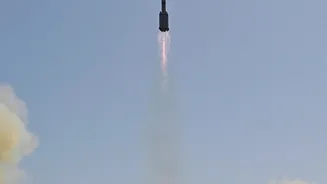
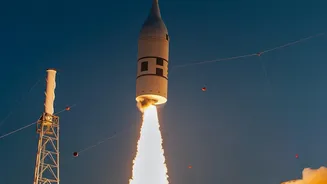
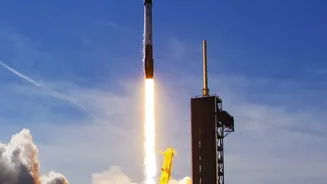
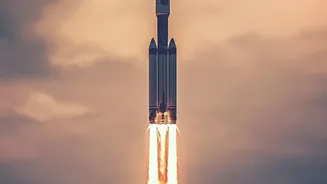
The successful orbital flight of the Vikram-1 rocket, dubbed Mission Aagaman, was a monumental achievement. It proved that a private Indian enterprise could design, build, and launch a sophisticated orbital vehicle, placing India alongside the US and China
in that regard. This followed the 2022 suborbital flight of Vikram-S, which laid the groundwork for this bigger success. However, in the business of space, a single successful launch is like scoring a goal in the first minute of a long match. It’s a fantastic start, but it doesn't win the game. The very customers Skyroot hopes to attract—satellite companies from around the world—value reliability and predictability above all else. The initial 'wow' factor must now transform into the steady hum of a dependable launch service.
The Economics of Repetition
The new space race is not just about national pride; it is a burgeoning commercial industry. India's space economy, currently valued around $8.4 billion, is projected to grow to over $40 billion by 2030. Skyroot is positioned at the heart of this growth, but its business model hinges on something called 'launch cadence'—the frequency of its missions. For satellite operators, especially those building large constellations for communications or Earth observation, waiting for a slot on a large rocket can be inefficient. Skyroot CEO Pawan Kumar Chandana compares their service to a private taxi rather than a bus; they offer dedicated flights to specific orbits on a customer's schedule. This model only works if the 'taxis' are available regularly. Frequent launches bring down costs, build customer trust, and secure a steady revenue stream, which is crucial for long-term survival in the competitive global market.
Meet Vikram: The Delivery Truck to Orbit
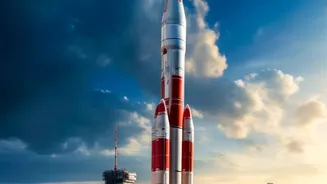
The Vikram-1 is the vehicle designed to make this vision a reality. Capable of carrying around 350 kg to low Earth orbit, it’s perfectly sized for the small satellite market. The company's immediate priority is to analyze the data from the first flight, make any necessary improvements, and launch again. Skyroot has stated its goal is to achieve a production capacity of one rocket per month. This doesn't mean a launch every month right away, but it signals the company's ambition to scale manufacturing and operations rapidly. The focus now shifts from the single, historic Vikram-1 to a fleet of Vikram rockets rolling off the assembly line at their Hyderabad facility and launching regularly from Sriharikota. This transition from a prototype to a production model is the most challenging step for any new launch provider.
Securing Customers and Building Trust
A successful first launch is a powerful advertisement, but the order book is where the business is truly built. Potential customers, both in India and overseas, are watching closely to see what happens next. They need assurance that Skyroot can repeat its success consistently and without long delays. A single failure can erode confidence and set a company back years. Skyroot is already preparing for its next flight later in 2026 before moving toward commercial operations in 2027. The company has already signed partnerships with firms like Exolaunch to provide end-to-end launch services, indicating a clear strategy to integrate into the global satellite deployment ecosystem. Each successful mission that follows the first will be another crucial data point for customers deciding where to place their multi-million dollar satellites.
The Bigger Picture for India
Skyroot's journey is symbolic of a broader transformation in India's space sector. The Indian government's 2020 reforms and the establishment of IN-SPACe created the regulatory framework that allowed private companies to enter a field once dominated by ISRO. This has unleashed a wave of innovation, with over 400 space startups now active in the country. Skyroot’s co-founder, Naga Bharath Daka, has explicitly stated that the next big challenge is to demonstrate “repeated, reliable launches to space”. This is the difficult pivot from a tech startup to a mature industrial operation. The historic flight of Vikram-1 opened the door to orbit; now, the company must build a highway through it.