



The Golden Truth About Turmeric
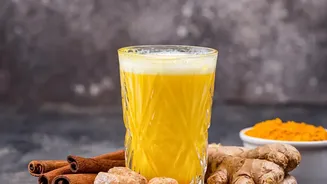
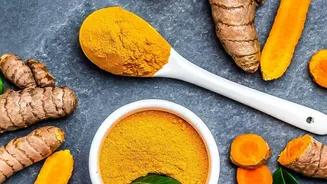
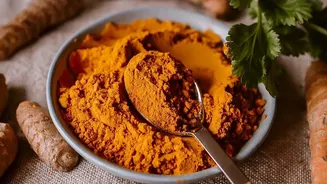
Turmeric, the golden spine of Indian curries, gets its fame from a compound called curcumin, which has well-researched anti-inflammatory and antioxidant properties. It’s why traditional medicine has valued it for centuries for everything from joint pain
to digestive health. However, there’s a catch: curcumin has poor bioavailability, meaning our bodies struggle to absorb it on their own. Straight from the spice jar, only a tiny fraction of curcumin enters the bloodstream. Interestingly, some research suggests that consuming turmeric within a food matrix, especially with fats, can improve absorption compared to isolated curcumin powder. This supports the traditional wisdom of cooking with turmeric, allowing its full profile of compounds to work together.
Ginger's Power To Soothe And Spice
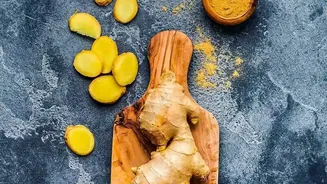
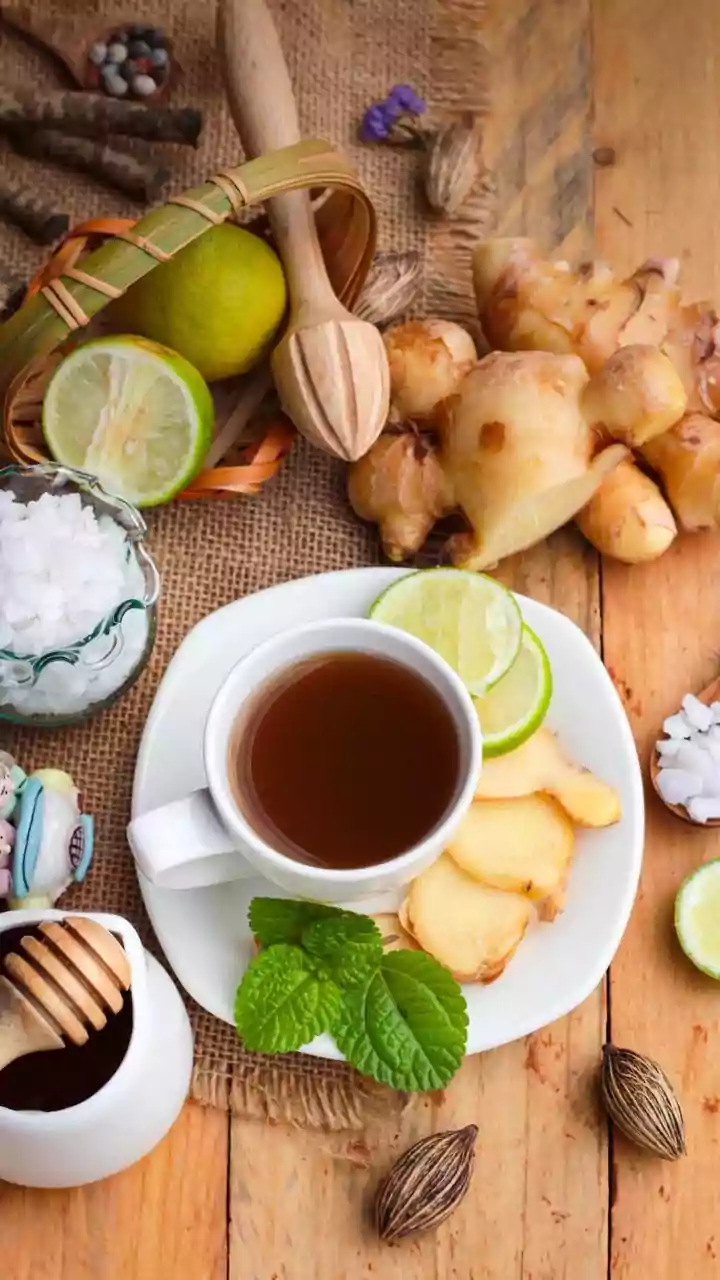
Ginger, turmeric’s zesty cousin, is just as essential, whether grated into chai or pounded into a paste for a sabzi. Its primary active compound is gingerol, which is responsible for many of its medicinal properties, including powerful anti-inflammatory and antioxidant effects. Ginger's most celebrated and scientifically supported benefit is its ability to relieve nausea. Studies have shown it to be effective for morning sickness during pregnancy, nausea after surgery, and even for patients undergoing chemotherapy. It works by helping the stomach empty more efficiently, which can also ease bloating and gas. This makes it a reliable kitchen remedy that also happens to make our food taste incredible.
Your Kitchen Is Not a Pharmacy
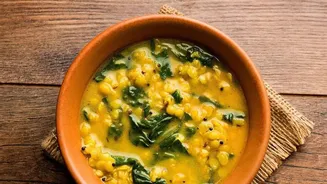
Here lies the crucial point: the amount of turmeric or ginger you use in daily cooking is not a therapeutic dose. A pinch of turmeric in dal contains a very small amount of curcumin, far less than the concentrated extracts used in scientific studies. For example, studies showing benefits for osteoarthritis often use extracts containing 1 gram of curcumin daily—an amount you cannot realistically get from food alone. Similarly, the effective dose of ginger for nausea is around 1,500 mg, typically taken in divided doses. Supplements provide these high, standardized concentrations. While they have their place for specific health concerns, they are not the same as the spice itself and should not be used as a replacement for medical treatment without consulting a doctor.
The Magic Is in the Meal
Instead of chasing high-dose supplements, the real magic lies in embracing these spices for what they are: foundational elements of flavour. Turmeric gives our curries their signature colour and earthy depth, while ginger provides a warm, pungent heat that brightens any dish. The synergy of spices in Indian cooking is where their true power may lie. For instance, pairing turmeric with black pepper, a common practice in our cuisine, dramatically increases curcumin absorption—by up to 2000%—thanks to a compound in pepper called piperine. Enjoying these spices daily in your food contributes to your overall well-being, layering subtle health benefits over time while delighting your taste buds.
When Good Spices Go Wrong
While culinary amounts are safe for almost everyone, more is not always better. High-dose turmeric and ginger supplements can cause side effects. These may include stomach upset, an increased risk of kidney stones, or interactions with medications like blood thinners. There have even been rare reports of liver injury linked to high-dose turmeric supplement use. This underscores the importance of using these spices as they were intended—as part of a balanced diet. Relying on them in their whole food form provides flavour and gentle health support without the risks associated with highly concentrated extracts.