





Beyond the Overwater Bungalow
For decades, a trip to the Maldives meant being whisked away to a “one-island, one-resort” paradise. These private enclaves offer unparalleled luxury, privacy, and relaxation. But a newer, more textured way to experience this island nation is gaining
popularity: the split stay. Travellers are increasingly looking for personalised and authentic holiday experiences. A split stay allows you to divide your time between the polished perfection of a resort and the vibrant, welcoming reality of a local inhabited island. This approach doesn't just extend your holiday; it deepens it, offering two distinct and equally memorable vacations in one.
The Tale of Two Islands
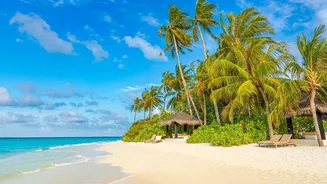
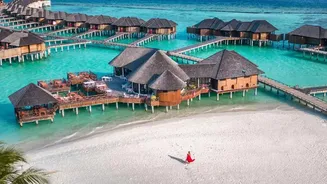
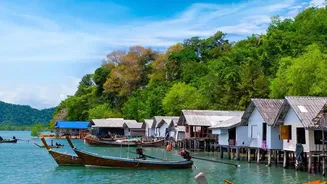
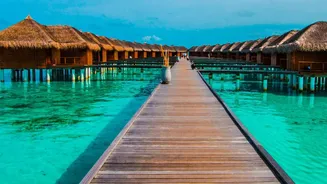
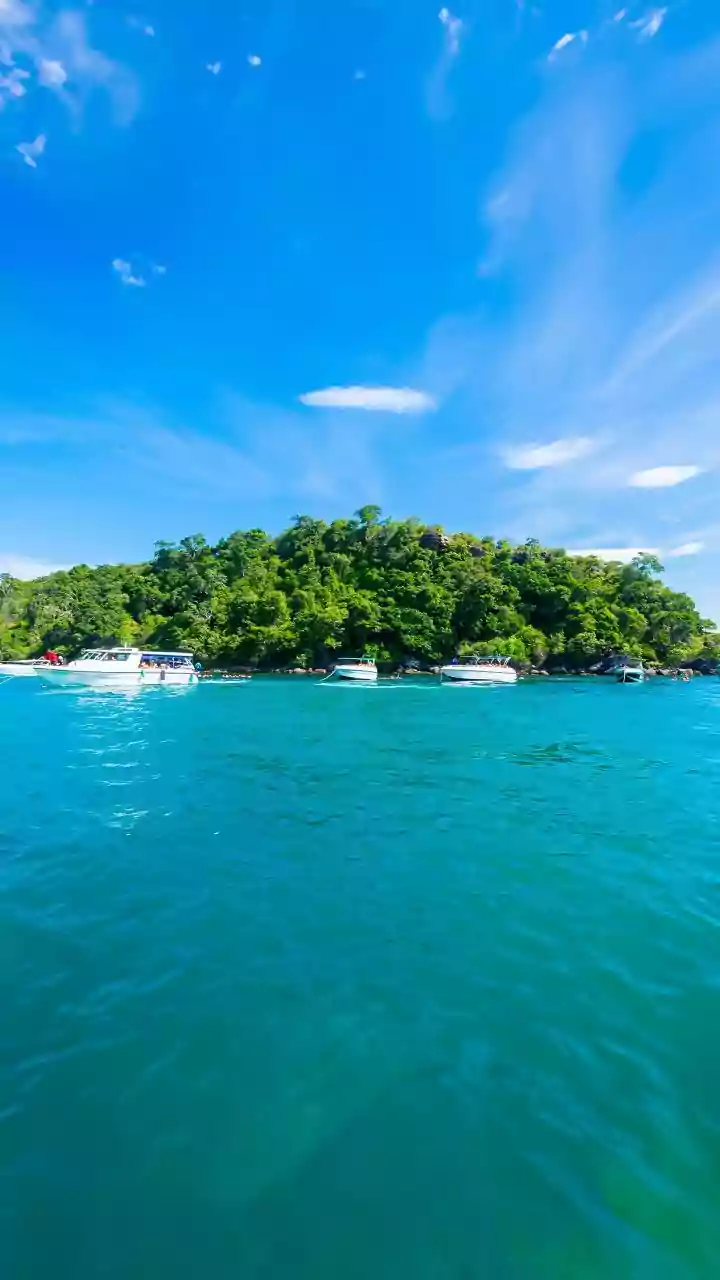
The difference between a resort island and a local island is night and day. Resort islands are meticulously curated environments designed for guest comfort, from infinity pools and underwater restaurants to world-class spas. They are bubbles of idyllic retreat. In contrast, local islands are where Maldivian communities live and work. Staying on a local island, typically in a guesthouse, means you are immersed in the rhythm of daily life. You'll see fishing boats heading out at dawn, children walking to school, and residents gathering in local cafes. It’s a chance to see the side of the Maldives that most tourists miss. This shift was made possible by a 2011 regulation change allowing tourists to stay on inhabited islands, opening a new avenue for cultural tourism.
Embracing Authentic Local Life
Staying on a local island offers a wealth of unique cultural experiences. The Maldivian culture is a rich blend of influences from its history along ancient trade routes, including Indian, Sri Lankan, African, and Arab traditions. Guesthouses often arrange activities like fishing trips with local fishermen, meals with a Maldivian family, and visits to see traditional boat building. You can explore local markets, try authentic home-cooked food, and even attend a performance of Bodu Beru, a powerful form of drumming and dance. While you’ll need to respect local customs—the Maldives is a Muslim nation, so alcohol is not available and modest dress is expected away from designated tourist beaches—the reward is a far richer understanding of the country and its people.
How to Plan Your Split Stay
Organising a split stay is more straightforward than it might seem. Many tour operators and even resorts are now offering packages that combine stays. The key is planning your transfers. Moving between atolls can involve a scenic seaplane journey, a domestic flight followed by a speedboat, or just a speedboat for islands closer to the international airport in Malé. Public ferries are the most budget-friendly option for hopping between nearby local islands, though they have set schedules and don't service private resorts. Guesthouses on local islands offer comfortable, modern amenities like Wi-Fi and air-conditioning at a fraction of resort prices, making a longer stay more affordable. Be sure to coordinate your transfers carefully to minimise waiting times and maximise your holiday experience.
A Richer and More Responsible Holiday
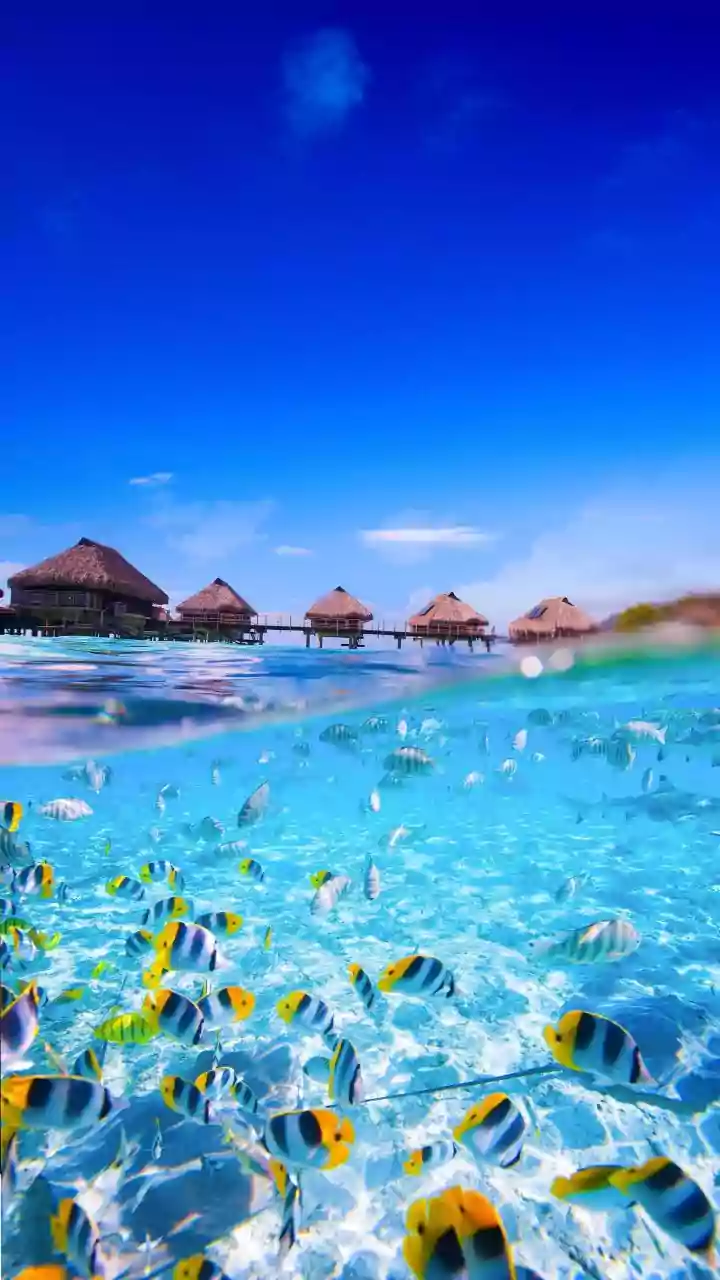
Choosing a split stay is not just about having a more varied vacation; it’s also a more sustainable way to travel. While resorts are making strides in sustainability, staying at a local guesthouse ensures your tourist dollars directly support local families and communities. It fosters a more meaningful cultural exchange and provides a more rounded perspective on the nation beyond its pristine beaches. You still get to enjoy the iconic Maldivian snorkelling, diving, and sunbathing that the resorts are famous for, often organized by your local guesthouse. In the end, you leave not just with a tan, but with a genuine connection to the place and its people.