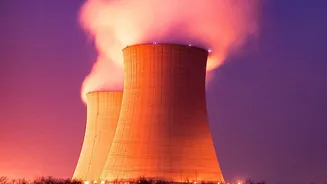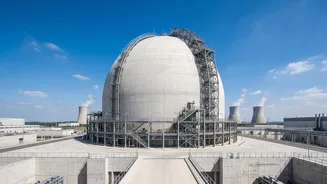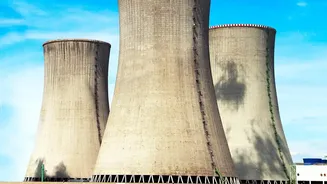





The world's nuclear watchdog, the IAEA, just presented its latest energy outlook at the UN, and the forecast is striking. As nations grapple with energy security and climate goals, nuclear power is re-entering the spotlight with major implications.
A Tripling of Nuclear Power by 2060?
In
his annual report to the United Nations General Assembly on October 23, 2026, International Atomic Energy Agency (IAEA) Director General Rafael Grossi presented a future where nuclear power capacity could more than triple by 2060. This optimistic projection reflects a significant shift in global sentiment towards nuclear energy. The IAEA's latest report outlines two main scenarios. The 'low case' is a conservative estimate, projecting global nuclear capacity growing to 696 gigawatts (GWe) by 2060. The 'high case', however, is far more ambitious, projecting a surge to 1,284 GWe from the 377 GWe expected at the end of 2025. This renewed optimism marks the sixth consecutive year the agency has revised its projections upward.
Why the Sudden Surge in Optimism?
Several key factors are driving this renewed interest in nuclear power. Director General Grossi highlighted the relentless growth of electrification, the massive energy needs of AI-powered data centres, and a general 'appetite for reliable, carbon-free power' from technology companies. Following global energy shocks and the urgent need to meet climate targets, many countries now see nuclear as a critical tool for ensuring energy security. Unlike solar and wind, nuclear plants provide consistent, round-the-clock power, which is essential for stabilizing national grids and powering heavy industry. In 2025, over 400 reactors in more than 30 countries generated about a quarter of the world's low-carbon electricity.
The Role of New Technology: Small Modular Reactors
A significant part of the high-growth scenario relies on the successful deployment of Small Modular Reactors (SMRs). These are smaller, factory-built reactors that proponents say can be constructed faster and more cheaply than traditional, large-scale nuclear plants. The IAEA projects that SMRs could account for about 28% of all new nuclear capacity added by 2060 in its high case. This is a notable increase in confidence from previous reports. The technology is seen as a versatile solution for various applications beyond just electricity generation, potentially offering clean heat for industrial processes and desalination. North America, in particular, is expected to be a major adopter of SMR technology.
Obstacles on the Path to a Nuclear Renaissance
Despite the positive outlook, the path to tripling nuclear capacity is filled with challenges. The World Nuclear Association points out that achieving these ambitious targets will require a massive acceleration in construction rates, potentially six times current levels. Building new reactors remains an expensive and time consuming process. Securing long term financing, strengthening supply chains for components and uranium fuel, and training a new generation of engineers are all significant hurdles. Furthermore, public perception, safety concerns, and the long term management of nuclear waste continue to be debated in many countries, influencing political will and investment decisions.
What This Means for India
The global trend aligns closely with India's own ambitious nuclear energy plans. The Indian government has set a target of achieving 100 GW of nuclear power capacity by 2047, a massive increase from its current capacity of around 8 GW. This goal is a key part of India's strategy to achieve Net Zero emissions by 2070. The recent achievement of criticality at the indigenous Prototype Fast Breeder Reactor (PFBR) in Kalpakkam in April 2026 marks a major step in India's three stage nuclear programme. To accelerate this expansion, the government has also opened the sector to private investment through the SHANTI Act of 2025, attracting interest from major Indian conglomerates. The global momentum and technological advancements, especially in SMRs, could provide new avenues for India to meet its enormous and growing energy needs reliably and cleanly.