





Understanding Carrier Anxiety
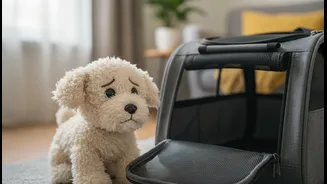
For most pets, the carrier is not a happy place. It only appears before something stressful happens: a car ride, a noisy environment, or a visit to the veterinarian. Over time, they build a powerful negative association with it. This isn't your pet being
difficult; it's a genuine fear response to an object they believe predicts an unpleasant experience. The confinement, strange smells, and bumpy movements can be frightening. Recognising this fear is the first step. Forcing a pet into a carrier they dread only deepens their anxiety and can damage the trust they have in you.
The Power of Positive Association
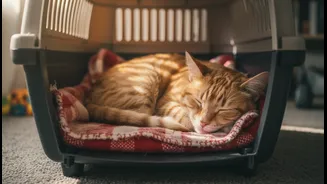
The key to changing your pet's mind is to replace those bad memories with good ones. This is where short, rewarded carrier sessions come in. The process uses positive reinforcement, a training method where you reward desired behaviours. Instead of associating the carrier with fear, your pet will start to associate it with wonderful things like high-value treats, praise, and comfort. The goal is to transform the carrier from a scary box into a safe, personal den where they feel secure. This training takes patience, but the payoff is a calmer pet and a much less stressful travel day for everyone involved.
Step 1: Make the Carrier Part of the Furniture
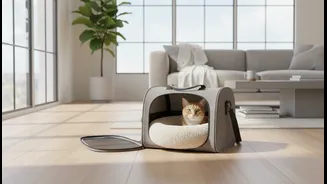
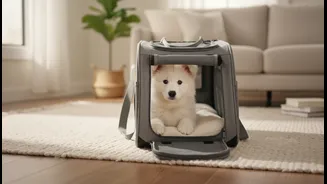
The training process begins long before any trip. Start by placing the carrier in a common area of your home where your pet likes to relax. If possible, take the door off or remove the top half. The idea is to make the carrier a normal, non-threatening part of their daily environment. Line it with a soft blanket or a piece of your clothing that smells familiar to make it inviting. Don't force any interaction. Simply let it sit there for days, or even weeks, until your pet is completely indifferent to its presence.
Step 2: Let the Treats Do the Talking
Once your pet is comfortable with the carrier being out, start creating positive interactions. Casually toss high-value treats (think small pieces of cooked chicken or their absolute favourite snack) near the carrier. Gradually move the treats closer, eventually placing them just inside the entrance. The goal is to reward them for choosing to engage with the carrier, not to bribe them. Praise them warmly for any curiosity, like sniffing the carrier or putting a paw inside. You can also start feeding them their regular meals near or inside the crate to build a strong positive link.
Step 3: Practice Closing the Door
This step requires careful observation of your pet's comfort level. Once they are willingly entering the carrier for treats or food, you can start getting them used to the door. While they are calmly inside, swing the door shut for just a single second, then open it again and give them a treat. Repeat this, slowly increasing the duration the door is closed—from one second to three, then five, and so on. If your pet shows any sign of panic, you've moved too fast. Go back to the previous step for a while before trying again. The key is for them to learn that the door closing is not a trap.
Step 4: Add a Little Motion
After your pet is calm with the door closed for a minute or two, you can introduce movement. While they are secure inside, gently lift the carrier just an inch off the floor, then immediately set it down and reward them. Repeat this, gradually increasing the height and duration of the lift. Once they are comfortable, take a single step while holding the carrier, then put it down and reward them. Build up to walking across the room, and then eventually, short trips to the car and back, all while maintaining a calm and positive atmosphere.