



Understanding the Rabi Season
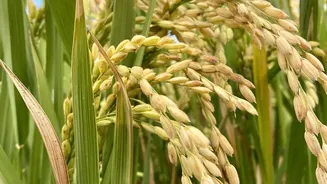
The Rabi season, which runs from October 1 to March 31, is the primary winter crop season in Pakistan. It is vital for the country's food security, as it includes the sowing and growing of wheat, the nation's main staple food. More than 80% of Pakistan's
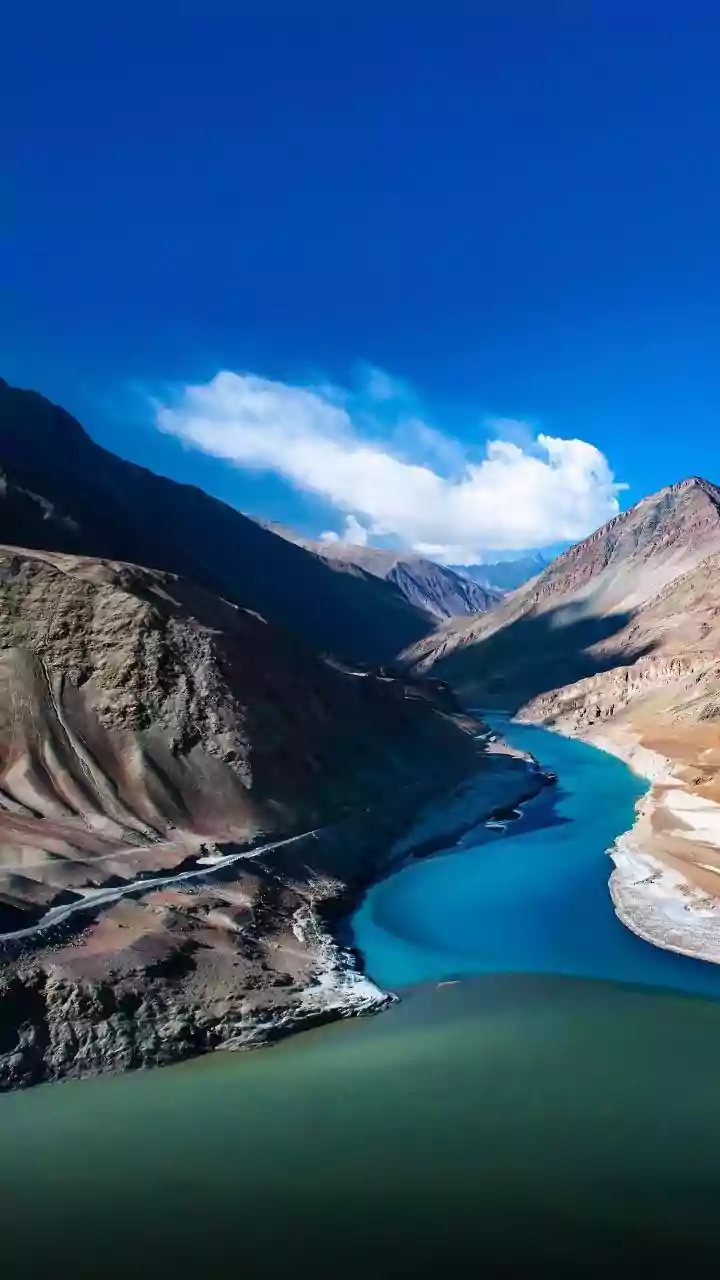
agriculture relies on the vast irrigation system fed by the Indus River and its tributaries, making the water allocations set by IRSA critically important. This year, farmers growing not just wheat but also barley, mustard, and gram are facing uncertainty as they prepare their fields.
Breaking Down the 22% Shortfall
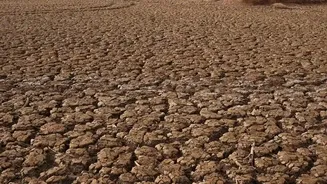
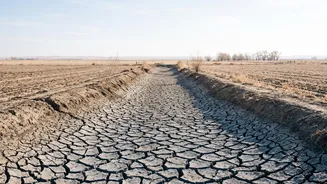
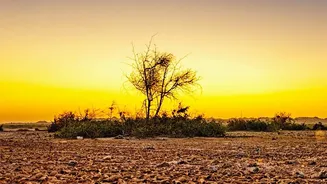
The IRSA Advisory Committee's decision was based on grim projections. The authority anticipates river inflows of about 21.27 million acre-feet (MAF), which is not enough to meet the demand. This led to the declaration of a 22% shortage, a figure that will be shouldered entirely by the country's two main agricultural provinces, Punjab and Sindh. Under the approved plan, Punjab is allocated 15.56 MAF and Sindh will receive 11.75 MAF. The other provinces, Khyber Pakhtunkhwa and Balochistan, are exempted from the cuts under the prevailing water-sharing formula.
The Reasons Behind the Scarcity
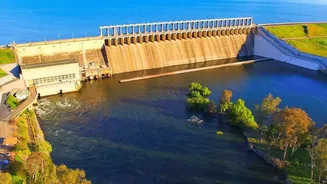
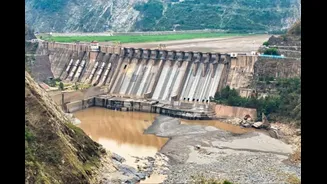
The current shortage is not due to a single cause but a combination of factors. A primary reason is that the preceding Kharif (summer) season saw significantly lower river inflows than expected—8% below projections and 22% lower than the previous year. This means the country's major reservoirs, including Tarbela and Mangla dams, did not store as much water as needed heading into the dry season. As of the end of September, total water storage was 9.343 MAF, well below the 13.214 MAF stored at the same time last year and also below the ten-year average. Additionally, IRSA has pointed to significant delays in key infrastructure projects at the Tarbela dam, which have limited its storage capacity and aggravated the shortages.
The Impact on Farmers and Food Security
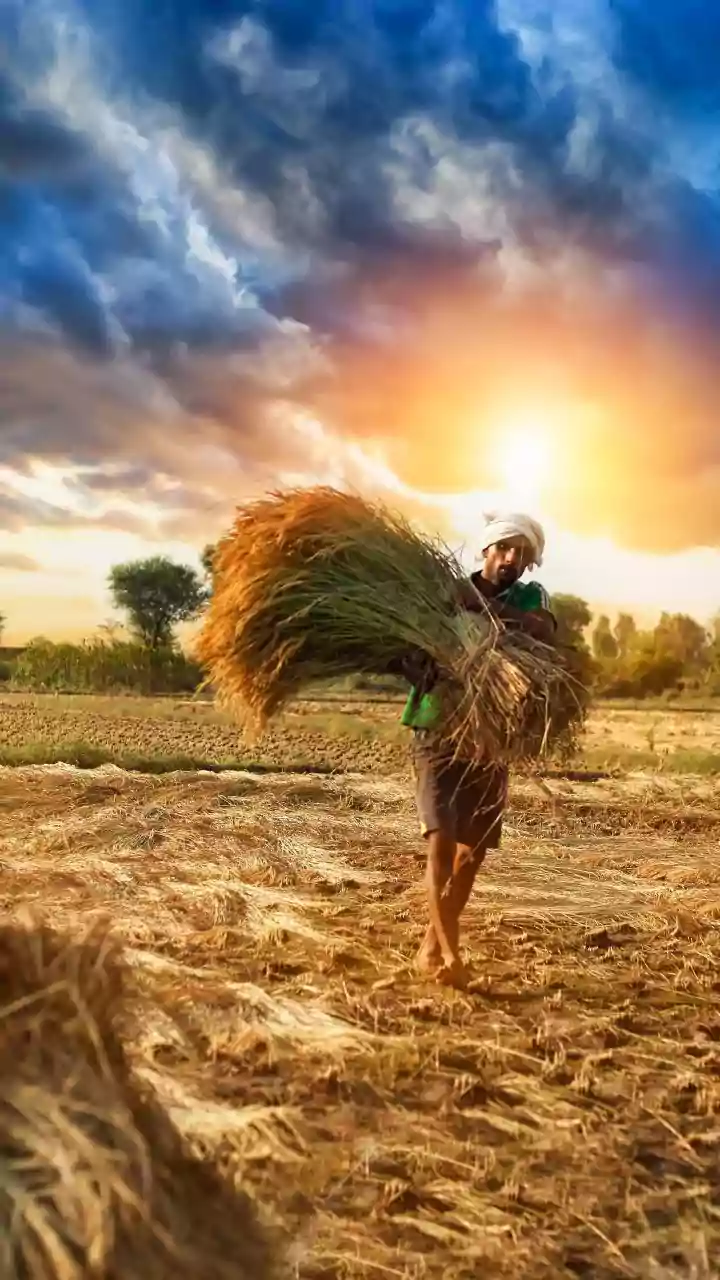
For farmers in Punjab and Sindh, the 22% cut in water supply is a direct threat to their livelihood. With less canal water available, they face difficult choices: either reduce the amount of land they plant, accept lower crop yields, or bear the high cost of pumping groundwater to make up for the shortfall. This situation casts a shadow over Pakistan's national food security. Even last year, when there was no declared water shortage, the country's wheat production fell more than 2 million tonnes short of its target. A poor harvest this year could force the government to increase costly wheat imports to stabilize supply. This comes at a time when consumers are already facing high food inflation, with flour prices in September recorded as over 30% higher than the previous year.
A Recurring Challenge
While some political figures in Pakistan have tried to connect water issues to the suspended Indus Waters Treaty with India, the country's own regulatory bodies point to domestic factors for this specific shortage. IRSA's findings highlight lower river flows, below-average reservoir levels, and crucial delays in infrastructure projects as the primary drivers. This projected shortfall before a single seed has been sown for the winter wheat crop puts Pakistan's proposed production target of 33 million tonnes under immediate pressure. The decision underscores a recurring and escalating challenge for Pakistan: managing a finite water supply to support a growing population and a vast agricultural sector in the face of climatic shifts and infrastructure bottlenecks.