





The New Weight-Loss Power Players
Medicines like Ozempic, Wegovy, and others in the GLP-1 (glucagon-like peptide-1) class have become household names for their remarkable effectiveness in weight loss and blood sugar management. They work by mimicking a natural gut hormone that signals
fullness to the brain and slows down how quickly your stomach empties. The result is a powerful reduction in appetite and, consequently, calorie intake. This has been a game-changer for many who have struggled with obesity. However, this dramatic drop in hunger creates a new, unexpected challenge: ensuring your body gets the fuel it needs when it's no longer sending strong hunger signals.
The Risk of Losing More Than Just Fat
When you lose weight rapidly without careful nutritional planning, you risk losing not just fat but also precious lean muscle mass. This is a primary concern for individuals on GLP-1 medications. Studies show that a significant portion of the weight lost can come from muscle. Losing muscle can slow down your metabolism, making it harder to sustain weight loss in the long run. It can also impact your strength, balance, and overall physical function. Furthermore, simply eating much less food can lead to shortfalls in essential vitamins and minerals, potentially causing fatigue, hair loss, and other health issues. This is why the conversation must shift from just eating less to eating smart.
Making Every Bite Count with Protein
If there is one golden rule for eating while on GLP-1 drugs, it's to prioritize protein. Protein is the building block of muscle, and getting enough of it is your best defence against muscle loss during weight loss. Experts often recommend aiming for 1.2 to 1.6 grams of protein per kilogram of your ideal body weight daily. When your appetite is low, making protein the first thing on your plate ensures you consume this crucial macronutrient before you feel full. Excellent sources include lean meats, fish, eggs, paneer, tofu, lentils, beans, and Greek yoghurt. For times when solid food feels like too much, a quality protein shake can be an invaluable tool to help you meet your daily target.
Don't Forget Fibre, Fats, and Fluids
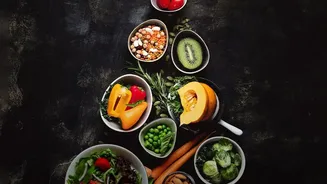
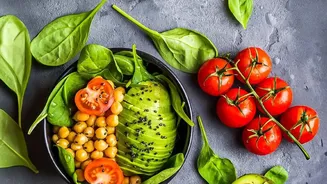
Beyond protein, other nutrients are vital. Since GLP-1s slow digestion, constipation can be a common side effect. A diet rich in fibre from fruits, vegetables, and whole grains helps promote regularity and gut health. Aim for a colourful variety to ensure you get a broad spectrum of vitamins and antioxidants. Healthy fats, found in foods like avocados, nuts, seeds, and olive oil, are also important for absorbing certain vitamins and helping smaller meals feel more satisfying. Finally, hydration is key. Drinking plenty of water can help manage side effects like nausea and constipation and is crucial for overall health. Aim to sip water consistently throughout the day, even if you don't feel thirsty.
A Sample Nutrient-Dense Day
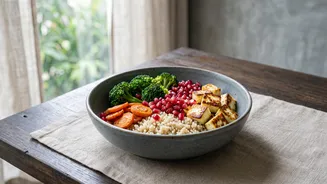
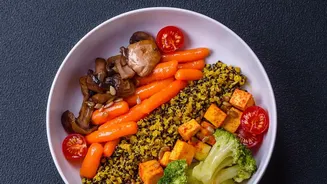
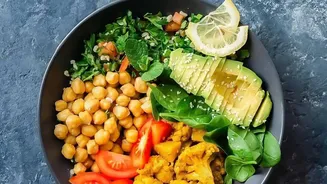
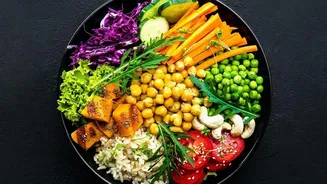
What does this look like in practice? It's about small, intentional choices. Start your day with a protein-packed breakfast, like a Greek yoghurt parfait or scrambled eggs. For lunch, focus on a plate that is half-filled with non-starchy vegetables, a quarter with a lean protein source like grilled chicken or chickpeas, and a quarter with a high-fibre carbohydrate like quinoa or brown rice. Snacks should also work for you; think of a handful of almonds, a piece of fruit with nut butter, or a small bowl of cottage cheese. Instead of three large meals, you might find that smaller, more frequent nutrient-rich meals are easier to tolerate and help keep your energy levels stable throughout the day.